





Concept structural design of buildings
Concept design is the first design stage. Feasibility studies and options appraisals that the consultant team or independent client advisers may have previously carried out do not involve 'design' as such. They are preliminary studies whose purpose is to establish whether the project is viable, to assist in the development of the project brief and to aid the identification of feasible options.
The preferred option is then be developed into a concept design which is a response to the project brief. The project brief will continue to develop as the concept design is prepared, but is then frozen at the end of the concept design stage and change control procedures are introduced.
Concept design proposals from the structural engineer might include:
- Preferred foundation design.
- Frame system.
- Structural grid with column sizes.
- Primary and secondary beam sizes and spans.
- Schedules of floor loadings catering for dead and live loads.
- Special loads.
- Horizontal and vertical expansion joints.
- Major openings in floors and structural walls.
- Wind bracing elements.
- Typical edge details.
- Fire protection to the structure.
Concept design is followed by 'detailed structural design' (sometimes called 'design development' or 'developed design') during which the design develops to describe all the main components of the building and how they fit together.
See also descriptions of the tasks performed during the concept design stage in the project plans available from the Designing Buildings Wiki home page.
[edit] Related articles on Designing Buildings
- Adaptive structures.
- Anticlastic.
- Bending moment.
- Braced frame.
- Civil engineer.
- Compression.
- Concept design.
- Concept design report.
- Concept services design.
- Concept architectural design.
- Concrete v steel.
- Dead loads.
- Deflection.
- Design life.
- Detailed structural design.
- Elastic limit.
- Hyperbolic paraboloid.
- Lean to.
- Limit state design.
- Live loads.
- Point of contraflexure.
- Primary structure.
- Re-evaluating the design life of buildings.
- Roof structure.
- Span.
- Stiffness.
- Structural design.
- Structural engineer.
- Structural principles.
- Structural systems for offices.
- Structural vibration.
- Structure definition.
- Structures at the end of their design life.
- Substructure.
- Superstructure.
- Types of structural load.
- Wind load.
Featured articles and news

We're expanding our collaborative mission by launching DB Intelligence, an exclusive market research advisory panel. Built environment professionals can now get paid to share their expertise on industry trends, products and services.
Panel members receive direct financial incentives for participating in research projects like short surveys, 1-2-1 interviews and focus groups. Register today to shape the future of the construction sector.
Building Control Independent Panel final report

A precis of a key report led by Dame Hackitt with full recommendations and link to the government response.
Guide to ISO 19650 for Architecture Firms (2026)
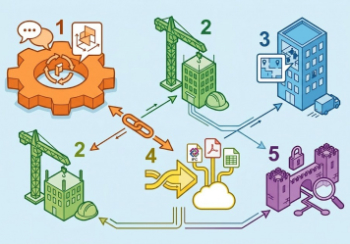
A user gives their low down.

A UK training and membership provider for mould remediation professionals.
Building Safety recap April, 2026
A short and longer run-through of the month, with links to further information and sources.
CIAT May 2026 briefing.

Independent NSI and BAFE study exploring how organisations are changing the way they buy fire safety services.

From medieval scribes to modern word art.

ECA welcomes crackdown on late payment and push for clean energy, whilst CIOB seek fixed cladding removal timeframes.
Cyber Security in the Built Environment

Protecting projects, data, and digital assets: A CIOB Academy TIS.
Managing competence in the built environment
ITFG publishes new industry guide on how to meet the ICC principles.
The UK's campaign to reduce noise pollution: Mythbusting, articles and topic guides.