





Slate tile vent
A slate tile vent, plain tile vent or non-profile tile vent is suitable for flat profile slate or tile roofs. The vent itself is often a moulded plastic product, but can also be made of clay. It is designed to allow air to pass through the roof covering without letting rain water in. They normally have small vents holes within the tile or slate profile and a secondary layer to allow water run off. Other more generic universal types of roof tile vents have a raised section or cover with ventilation beneath. These fit various styles of roof tile and slates.
In most cases the underside of the venting tile will have a downstand and a lip, to allow it to penetrate the roofing layer beneath the battons above the rafters, (and breahter membrane, felt or waterproofing), to provide ventilation whilst sealing the roof. In some cases it may be fitted with extra attachments to allow ventilation ducts such as from a bathroom extract to be connected.
In a cold roof, the insulation and air tightness barrier is normally in line with the ceiling of the upper most rooms, rather than the pitch of the roof itself. Keeping the uninsulated roof space ventilated can be important to prevent moisture build-up, mould and potential damage to timber rafters, particularly where non breathable felt or bitumen products are used. Increased moisture from warm air and activity in living spaces below can build up in the cold roof space above, condense on surfaces and without good air flow can cause structural damage over longer periods.
Roof tile vents are one way of introducing air flow into a cold roofs to remove moisture build up. Other options include felt lap, slate, soffit, fascia and ridge vents. In some cases where levels of insulation are increased above the ceiling level this can restrict air flow that traditionally would have come through the sofits or barge board ventilators. Roof tile vents can be installed higher up the roofpitch, thus not being restricted by the increased levels of insulation.
For further information on the ventilation of cold roofs guidance should be sought in Aproved Document C "Site preparation and resistance to contaminants and moisture" section C2.
[edit] Related articles on Designing Buildings
Featured articles
Check out some of the best features and news from Designing Buildings as well as key stories from around the web.
Building Safety Act implementation in Wales

CIAT to host industry panel on 26 June.

New and updated CLC building safety guidance.
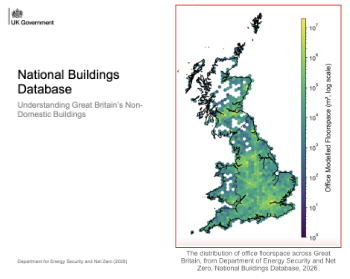
New UK National Buildings Database.
Building Safety Wiki Interviews

Chief executive of the British Woodworking Federation.
Planning condition discharge in England and Wales

A brief explanation from a building compliance expert, with further links.
Overheating guidance and tools for building designers

Guidance for dealing with element of building fabric control that have increasing importance.
Shading for housing, a design guide

From the Good Homes Alliance and British Blind and Shutter Association.
UK Standard Skills Classification (SSC)

A shared framework for describing skills needs.
Social media ban consultation comes to close

CIOB urges UK Government to consider social media’s role in careers guidance in ban debate.
The latest of eight Skills England apprenticeship units

The addition of battery manufacturing welcomed by ECA with a warning about the risks of fast-tracked apprenticeship units.
Building Control Independent Panel final report
A precis of a key report led by Dame Hackitt with full recommendations and link to the government response.