






SMARTWaste Case Study Interview: Canary Wharf Contractors Limited
This article originally appeared at BRE Buzz on 25 May 2016, written by Jo Goodwin.
For more information, see "Credible data driving environmental performance improvements".
BRE Digital Tools’ Jo Goodwin sat with Callum Scott, Project Sustainability Manager for Canary Wharf Contractors Limited, (CWCL) the construction arm of the Canary Wharf Group, to find out more about their experiences with BRE SMARTWaste and how this helps their business.
Callum talks about how sustainability is key for CWCL, along with how digital tools such as SMARTWaste are helping his team to make better informed decisions and meet their goals.
| BRE: What are your responsibilities, and what draws you to sustainability? |
Callum Scott (CS): At CWCL I oversee the implementation and continuous improvement of environmental management, including maintaining various certifications, handling planning through to handover. This involves management of consultants, contractors and other third parties to meet our sustainability and environmental objectives.
I have a background in civil engineering, and have always had in interest in the environment and construction which, in my eyes, are one and the same – construction impacts the environment and vice versa.
| BRE: Tell me a little about Canary Wharf Contractors and sustainability. |
CS: It’s a big focus here for us at CWCL, as it simply makes good business sense – considering the long term impacts of energy, resources and other areas will allow for more effective planning, becoming more cost effective at the same time.
Improving sustainability and environmental performance within construction will allow for greater credibility within the community, sharing benefits such as employment opportunities. This is what the wider Canary Wharf Group is all about.
We have always had to address environmental legislation and high expectations from clients. Competition in this market demands a high standard of sustainability performance, and SMARTWaste allows us to communicate and deliver real improvements in this area.
| BRE: How do you track and report on your environmental impacts? |
CS: Using BRE’s SMARTWaste tool, I’m able to gain a thorough understanding on how our projects are developing from an environmental perspective; looking at waste, energy and water use, transport, timber and materials used within our projects.
Site information is captured in the tool by our trade contractors, and I use this data to identify trends and areas for improvement, in addition to using the data for annual group reports, which are read by our clients.
| BRE: What savings have been made as a result of using SMARTWaste? |
CS: Using SMARTWaste gives us the ability to communicate accurate KPI data across our suppliers via a ‘one stop shop’ industry-recognised system – helping us to achieve our own objectives and drive positive change across our projects and the business as a whole. This results in minimising complexity, resulting in valuable time savings that allow our teams to concentrate on being more efficient and improving performance
In addition to the time saving benefits of using SMARTWaste, the tool allows us to identify areas for improvement – such as excessive loss or waste, helping us to make informed decisions to improve performance.
| BRE: Why did the business choose SMARTWaste as the tool to monitor and report on environmental impacts? |
CS: We needed to update our existing in-house and offline system to a web-based platform, with the main aim of allowing trades and site managers to access it externally.
I had previously used SMARTWaste and was familiar with the tool and how it can benefit an organisation, and so we were able to bring this on board.
It’s a tool that ticks all the right boxes. Going beyond a duty of care compliance, SMARTWaste is ideal for use on multiple sites, and when we looked at our projects and their scale and capacity – an ‘off the shelf’ solution suited our needs.
In addition to this, as an organisation with a keen focus on achieving BREEAM, it is a big benefit that SMARTWaste aligns with BREEAM principles.
| BRE: What benefits have you seen from using SMARTWaste? |
CS: A highly tangible benefit for us is that SMARTWaste helps make data more transparent, creating more efficient processes and giving us vital information for our sustainability reports, in addition to helping us meet our FSC project certification and ISO50001 and 14001 certifications.
Recent changes to the tool have given us additional areas to monitor and report on, beyond waste – and this is already helping us to make changes and improvements within our projects and across the organisation as a whole.
It’s a huge help that SMARTWaste is ‘off the shelf’ as a lot of our staff and contractors are already familiar with the tool and how to use it, and those who aren’t are able to pick it up fairly easily – which saves us a lot of time in communication and data corrections due to unfamiliarity.
From a marketing perspective, having SMARTWaste allows us to really demonstrate our commitment and credibility around sustainability – something we know our clients care about.
SMARTWaste will play a key role in the delivery of all our BREEAM Post Construction rated buildings.
| BRE: Looking ahead to tomorrow’s construction, how do you see digital tools like this helping the industry in the future? |
CS: Increasing the transparency and making environmental data more visible throughout a supply chain will allow for more instantaneous improvements. Connected digital systems like SMARTWaste mean less time number crunching and more time taking action to make these vital improvements, based on solid data.
For me, tools like SMARTWaste are starting to and I believe will continue, to affect the planning, design and specification areas of the industry.
Environmental data will impact decisions around choices and sourcing of materials used, methods of construction and even the physical design of buildings or infrastructure, all contributing to more sustainable, efficient and effective buildings and communities.
--BRE Buzz
[edit] Find out more
[edit] Related articles on Designing Buildings Wiki
- BRE Buzz articles on Designing Buildings Wiki.
- BRE SMARTWaste John Muir release.
- BRE SMARTWaste online reporting platform.
- BREEAM.
- Design for deconstruction – helping construction unlock the benefits of the circular economy.
- Landfill tax.
- Site Waste Management Plan.
- Waste Management Plan for England.
Featured articles and news
Costs and insolvencies mount for SMEs, despite growth

Construction sector under insolvency and wage bill pressure in part linked to National Insurance, says report.
The place for vitrified clay pipes in modern infrastructure
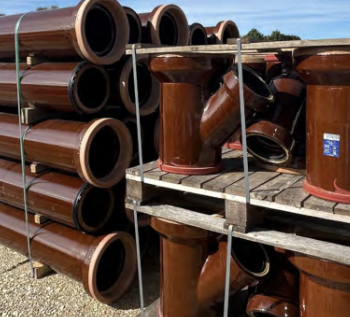
Why vitrified clay pipes are reclaiming their role in built projects.
Research by construction PR consultancy LMC published.
Roles and responsibilities of domestic clients

ACA Safety in Construction guide for domestic clients.
Fire door compliance in UK commercial buildings

Architect and manufacturer gives their low down.
Plumbing and heating for sustainability in new properties

Technical Engineer runs through changes in regulations, innovations in materials, and product systems.
Awareness of the Carbon Border Adjustment Mechanism
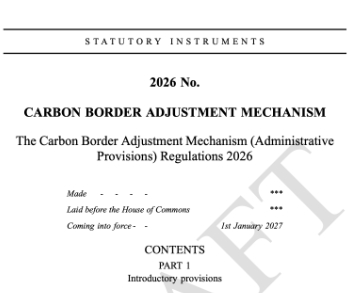
What CBAM is and what to do about it.
The new towns and strategic environmental assessments
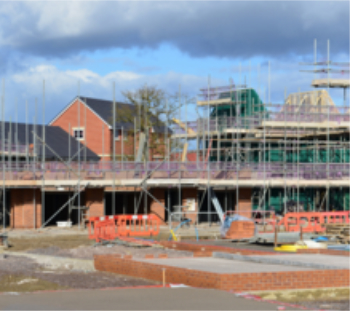
12 locations of the New Towns Taskforce reduced to 7 within the new towns draft programme and open consultation.
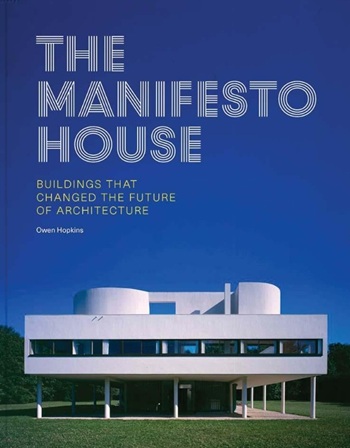
Buildings that changed the future of architecture. Book review.
The Sustainability Pathfinder© Handbook
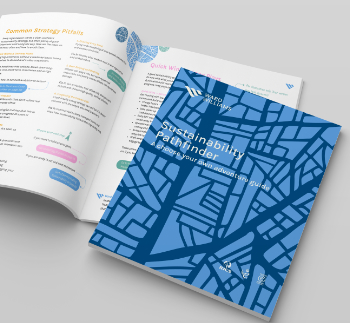
Built environment agency launches free Pathfinder© tool to help businesses progress sustainability strategies.
Government outcome to the late payment consultation, ECA reacts.
IHBC 2025 Gus Astley Student Award winners
Work on the role of hewing in UK historic conservation a win for Jack Parker of Oxford Brookes University.
Future Homes Building Standards and plug-in solar
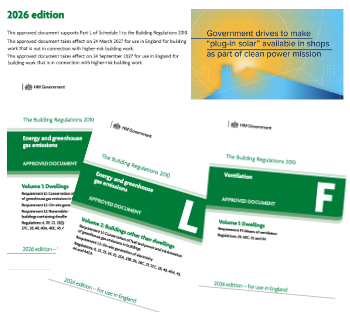
Parts F and L amendments, the availability of solar panels and industry responses.
How later living housing can help solve the housing crisis

Unlocking homes, unlocking lives.
Preparing safety case reports for HRBs under the BSA
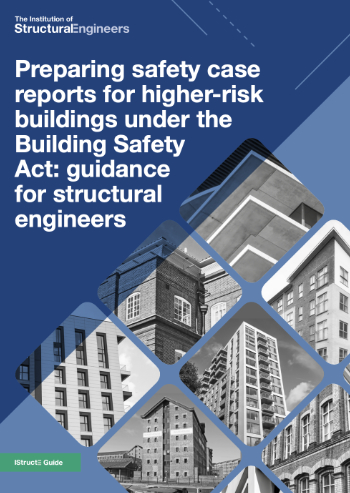
A new practical guide to preparing structural inputs for safety cases and safety case reports published by IStructE.
Male construction workers and prostate cancer

CIOB and Prostate Cancer UK encourage awareness of prostate cancer risks, and what to do about it.