






Plumbing Issues in Heritage Buildings How Owners can Overcome Hurdles
The heritage homes in La Prairie carry an aura of elegance, and history. However, they also have some hassles, related to plumbing. Such property owners have to repair and maintain dated plumbing setups. With proper maintenance and periodic plumbing checkups, they can overcome such issues.
Here's an in-depth look at plumbing considerations for La Prairie's heritage homes and what homeowners should keep in mind.
Contents |
[edit] Understanding the legacy infrastructure
Many La Prairie heritage homes were constructed decades or even centuries ago. The plumbing materials and systems used are very different from what are used now. In the older systems, you may find cast-iron waste systems, lead piping, and early copper runs. These legacy materials pose potential risks, including lead contamination, corrosion, blockages, or leaks.
Before you begin any new work, you must perform a full survey of the existing plumbing system. It is essential to assess material condition, map pipe routes, and identify weak points or bottlenecks. A baseline inspection of historic buildings helps avoid surprises mid-project. They can also provide information and decisions about necessary upgrades or complete replacement.
[edit] Balancing preservation and modernisation
One of the biggest concerns in heritage plumbing is how far to modernise. On one hand, contemporary conveniences are expected, such as higher water pressure, more bathrooms, energy-efficient fixtures, etc. On the other hand, invasive upgrades risk undermining the heritage fabric, including beams, walls, decorative features, plaster, and more.
In such a situation, it is important to balance preservation and modernisation.
- You can retain original fixtures wherever possible and adapt connections discreetly.
- You can use minimally invasive plumbing techniques. For example, you can run new pipes under floors, behind panelling, or in less visible cavities.
- If you have to alter original pipe routes, document everything minutely so that future restorers can understand the changes made.
[edit] Choosing the right materials matters
It is important to choose the right pipe and fitting materials. One has to keep the heritage context in mind. Choose plastic, modern PEX, and stainless-steel materials as they are durable and corrosion-resistant. Using cheap plumbing fixtures will lead to problems and expenses later.
[edit] Check the drains and repair if needed
The drainage pipes in older houses use cast iron, or clay pipes. These may corrode or crack over time. Hire veteran plumbers to replace the damaged sections. Not all such problems are easy to find; there can be hidden leaks underground or sewer lines may be damaged by tree roots. Plumbing entities use special devices to catch these issues. This is a cost worth investing in.
[edit] Summing it up
Before doing any plumbing system revamp in older homes, top plumbers check the permit issues. They do everything by the norms to avoid problems in future.
Maintaining a delicate balance between preserving La Prairie's architectural soul and offering a fully functional plumbing system is not an easy task. Choose a veteran plumbing company with solid experience in such projects. This will help balance modernity and the legacy of the heritage homes.
Featured articles and news
Costs and insolvencies mount for SMEs, despite growth
Construction sector under insolvency and wage bill pressure in part linked to National Insurance, says report.
The place for vitrified clay pipes in modern infrastructure
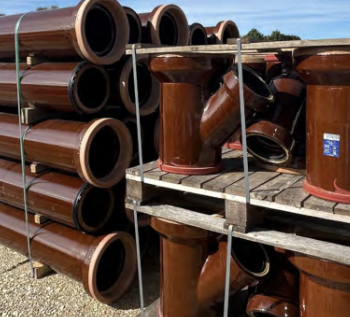
Why vitrified clay pipes are reclaiming their role in built projects.

Research by construction PR consultancy LMC published.
Roles and responsibilities of domestic clients

ACA Safety in Construction guide for domestic clients.
Fire door compliance in UK commercial buildings

Architect and manufacturer gives their low down.
Plumbing and heating for sustainability in new properties

Technical Engineer runs through changes in regulations, innovations in materials, and product systems.
Awareness of the Carbon Border Adjustment Mechanism
What CBAM is and what to do about it.
The new towns and strategic environmental assessments
12 locations of the New Towns Taskforce reduced to 7 within the new towns draft programme and open consultation.

Buildings that changed the future of architecture. Book review.
The Sustainability Pathfinder© Handbook
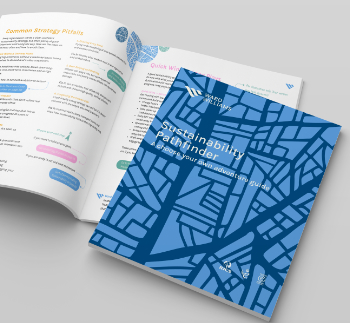
Built environment agency launches free Pathfinder© tool to help businesses progress sustainability strategies.

Government outcome to the late payment consultation, ECA reacts.
IHBC 2025 Gus Astley Student Award winners

Work on the role of hewing in UK historic conservation a win for Jack Parker of Oxford Brookes University.
Future Homes Building Standards and plug-in solar

Parts F and L amendments, the availability of solar panels and industry responses.
How later living housing can help solve the housing crisis

Unlocking homes, unlocking lives.
Preparing safety case reports for HRBs under the BSA

A new practical guide to preparing structural inputs for safety cases and safety case reports published by IStructE.
Male construction workers and prostate cancer

CIOB and Prostate Cancer UK encourage awareness of prostate cancer risks, and what to do about it.