






Occupation of completed construction site
Client preparations for occupying the development should enable them to move the project from the regime of a building site to an occupied working facility whilst incurring minimal disruption and cost to the business.
It is important that planning for occupation begins as early in the project as possible, so that any issues can be considered during the design and construction phases, and appropriate services set out in consultation documents. On some projects a specific protocol known as the soft landings framework might be adopted to ensure the transition to occupation is smooth one.
The client should appoint a senior director (or soft landings champion) responsible for moving who can stand their ground under pressure from various elements of management who may fight their corner during the stress and upheaval of moving. The job is one that requires skillful co-ordination of a multitude of time consuming tasks. On larger projects they are likely to require a team under them including an accommodation manager and perhaps a facilities manager.
The director responsible for moving should prepare an operational policies document setting out the detailed plan for how the building will be occupied and used. They should also prepare a migration strategy (see migration strategy article).
The operational policies document may be based on information from:
- The business case.
- The project brief.
- The developed design.
- Corporate planning strategies.
- The building user's guide.
The operational policies document might include:
- Room data sheets.
- Space planning information.
- Furniture, desk and information and communications technology (ICT) allocations.
- Equipment schedules.
- Schedules of items that will be leased or purchased.
- Requirements for consumables such as stationery and sanitary supplies.
- Transport and parking policies, goods in and waste out, public and private buses and drop off facilities.
- Operational services requirements (see below).
A strategic decision should be made in the development of operational policies as to which services might be outsourced and which will remain under in-house direct control. Items that could be outsourced might include:
- Reception and telephony.
- Security.
- Cleaning.
- Facilities management.
- Information and communications technology (ICT) support.
- Catering.
- Waste management.
- Landscaping and ground maintenance.
- Transport and courier services.
- Maintenance and servicing of equipment.
It may be beneficial to the overall project programme for the client to have use of certain areas of the building prior to practical completion (for example so that ICT suites can be equipped). Ideally this requirement for phased completion should written into the building contract otherwise it will need to be negotiated with the contractor.
More often than not it will become apparent that since the original project brief was prepared there have organisational changes and technological advances that necessitate changes to the design and installation works. This, combined with furniture, ICT equipment, fixtures, fittings, art, shelving, vending machines, and so on, will result in a schedule of works necessary prior to occupation that can cost as much as 3% of the construction budget. It is not unusual to package this work into an occupational services contract separate from the main building contract to take place after practical completion but prior to occupation.
This additional work needs to be defined, costed, tendered and the contract let with a reasonable period for mobilisation and pre-ordering so it can commence as soon as the building is handed over and is often carried out under the supervision of the facilities manager.
NB: The client should have appointed an in-house or outsourced engineering team to witness testing and commissioning and to takeover the running of the services as soon as practical completion is certified. The client also needs to ensure they have the funds to release 50% of the retention upon practical completion.
Utility and fuel supplies also need to be tendered or negotiated prior to occupation.
Training of staff and familiarisation with new systems and space usage prior to occupation is an essential part of pre-planning. See the article on migration strategy for more information.
The client should also check compliance with planning conditions that have to be satisfied prior to occupation, that the building control inspector has inspected and approved the works and that appropriate insurance is in place.
If the soft landings framework is adopted, there may be specific requirements to ensure that suppliers provide aftercare and post occupancy evaluation services. See Soft landings for more information.
[edit] Related articles on Designing Buildings Wiki
Featured articles and news
Costs and insolvencies mount for SMEs, despite growth

Construction sector under insolvency and wage bill pressure in part linked to National Insurance, says report.
The place for vitrified clay pipes in modern infrastructure

Why vitrified clay pipes are reclaiming their role in built projects.

Research by construction PR consultancy LMC published.
Roles and responsibilities of domestic clients

ACA Safety in Construction guide for domestic clients.
Fire door compliance in UK commercial buildings

Architect and manufacturer gives their low down.
Plumbing and heating for sustainability in new properties

Technical Engineer runs through changes in regulations, innovations in materials, and product systems.
Awareness of the Carbon Border Adjustment Mechanism
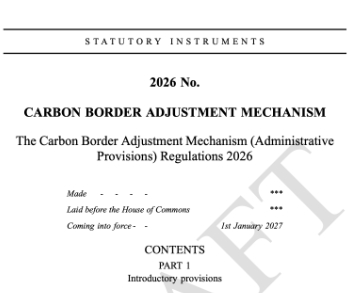
What CBAM is and what to do about it.
The new towns and strategic environmental assessments
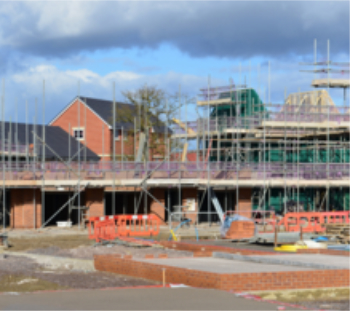
12 locations of the New Towns Taskforce reduced to 7 within the new towns draft programme and open consultation.
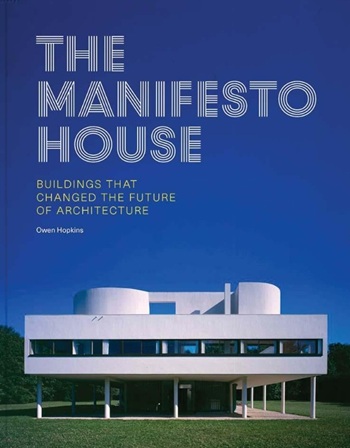
Buildings that changed the future of architecture. Book review.
The Sustainability Pathfinder© Handbook
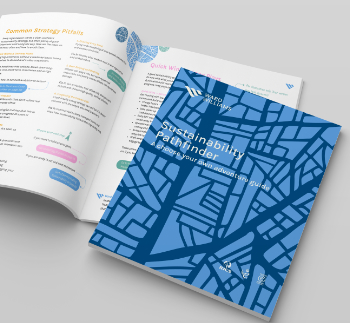
Built environment agency launches free Pathfinder© tool to help businesses progress sustainability strategies.

Government outcome to the late payment consultation, ECA reacts.
IHBC 2025 Gus Astley Student Award winners

Work on the role of hewing in UK historic conservation a win for Jack Parker of Oxford Brookes University.
Future Homes Building Standards and plug-in solar
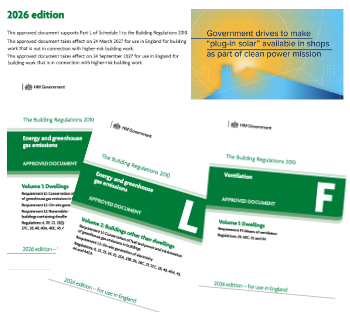
Parts F and L amendments, the availability of solar panels and industry responses.
How later living housing can help solve the housing crisis

Unlocking homes, unlocking lives.
Preparing safety case reports for HRBs under the BSA
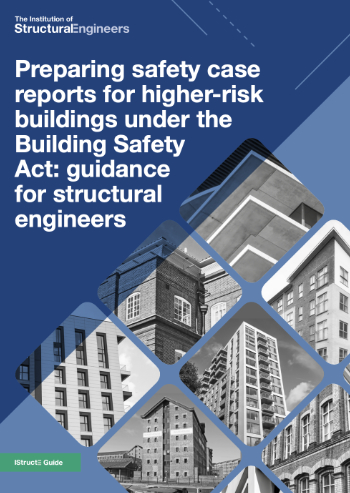
A new practical guide to preparing structural inputs for safety cases and safety case reports published by IStructE.
Male construction workers and prostate cancer

CIOB and Prostate Cancer UK encourage awareness of prostate cancer risks, and what to do about it.