






National Allotment Week

With a rapidly growing population, an estimated 90% of our time spent inside, and with increasingly digitalised realities submerging us (you can buy virtual reality head sets in supermarkets!), it’s safe to say, we need to get outdoors, look at the trees, swim in the sea and of course, grow some potatoes.
The mental and physical health benefits of being outside are well established. Indeed, even replicating the outside, inside, is becoming increasingly promising with biophilic design. And we’ve all heard those shocking anecdotes of children not knowing where lettuce comes from. It’s not controversial; being outside is great and we need to know more about our wildlife and where our food comes from.
Let’s reduce our carbon footprint and grow some exciting things that make home-cooked meals so much more satisfying, help teach children and adults alike, and contribute to biodiversity. One of the biggest benefits of growing your own food is knowing it is responsibly sourced. What better way to ensure your food has reduced carbon miles, is without industrial pesticides and the workers have been treated well, if you’ve grown it yourself?
As soon as you start unravelling the complex web of supply chains, whether it be food, jewellery or building materials, we can make more informed choices to help reduce our environmental and social impact.
Only through this knowledge can we as consumers become more empowered and contribute, however modestly, to a version of the world we want to live in. And it’s a joy! After carefully tending to your home grown tomatoes or chilli plants, the meals that come from that and the gifts they can make to loved ones are genuine; a humble nod to a part of ourselves many of us are largely disconnected from.
It’s the same satisfaction that can come from making more informed choices, whether it be organic and fair-trade tea or conflict-free diamonds, it feels good. It’s all about independent third party certification, which is why I am passionate about working in this area but for sustainably built developments.
BRE are fortunate enough to be immersed by some beautiful wildlife, tucked away just off the M1. We have a Site of Special Scientific Interest, Bricket Wood Common, right on our door step which is host to ancient woodland, heathland and streams.
There are some BRE’ers who even keep bees! It’s brilliant, catching the occasional glimpse of bee keepers tending to the hives, within view of one of the innovative housing projects we have on our Innovation park. Bees are clearly a key component to our ecosystems, and the honey they make each year is delicious.
There’s also talk of allotments being opened up on our own site as a part of the BRE S-Plan. So we try to practice what we preach in our certification schemes and further encourage the provision of outdoor space. The Home Quality Mark awards credits for having growing space accessible to new homes assessed against the scheme. During mater-planning, BREEAM Communities encourages the early thought of community spaces, including allotments, to help bring communities together.
If we could all grow a bit more, it would make a big difference, to us all individually and to our environment.
This article was originally published here by BRE Buzz on 15 Aug 2017. It was written by Rich Cobb.
--BRE Buzz
[edit] Related articles on Designing Buildings Wiki
Featured articles and news
Costs and insolvencies mount for SMEs, despite growth
Construction sector under insolvency and wage bill pressure in part linked to National Insurance, says report.
The place for vitrified clay pipes in modern infrastructure
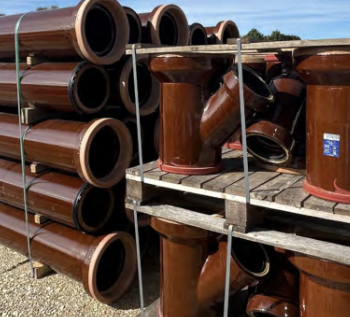
Why vitrified clay pipes are reclaiming their role in built projects.
Research by construction PR consultancy LMC published.
Roles and responsibilities of domestic clients

ACA Safety in Construction guide for domestic clients.
Fire door compliance in UK commercial buildings

Architect and manufacturer gives their low down.
Plumbing and heating for sustainability in new properties
Technical Engineer runs through changes in regulations, innovations in materials, and product systems.
Awareness of the Carbon Border Adjustment Mechanism
What CBAM is and what to do about it.
The new towns and strategic environmental assessments
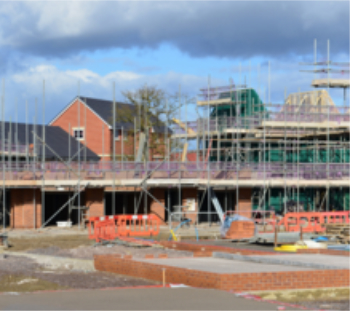
12 locations of the New Towns Taskforce reduced to 7 within the new towns draft programme and open consultation.
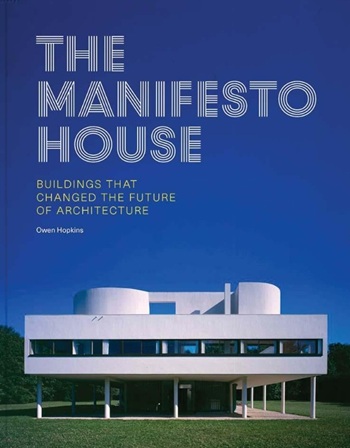
Buildings that changed the future of architecture. Book review.
The Sustainability Pathfinder© Handbook
Built environment agency launches free Pathfinder© tool to help businesses progress sustainability strategies.

Government outcome to the late payment consultation, ECA reacts.
IHBC 2025 Gus Astley Student Award winners
Work on the role of hewing in UK historic conservation a win for Jack Parker of Oxford Brookes University.
Future Homes Building Standards and plug-in solar
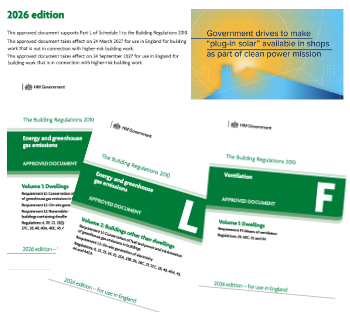
Parts F and L amendments, the availability of solar panels and industry responses.
How later living housing can help solve the housing crisis
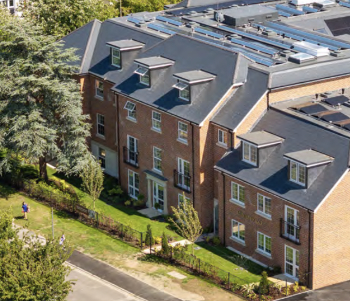
Unlocking homes, unlocking lives.
Preparing safety case reports for HRBs under the BSA
A new practical guide to preparing structural inputs for safety cases and safety case reports published by IStructE.
Male construction workers and prostate cancer
CIOB and Prostate Cancer UK encourage awareness of prostate cancer risks, and what to do about it.