






How data can stop waste

Contents |
[edit] Introduction
James Farrell is the Commercial manager at SMARTWaste. He spoke at the Major Infrastructure Resource Optimisation Group (MI-ROG) in 2016; a group including a range of infrastructure clients with one common purpose: “to avoid wasting valuable resources and to work with supply chains to embed this approach throughout operations”.
This article presents a synopsis of what he wrote about the experience.
[edit] How can MI-ROG achieve this purpose?
The essential foundations lie in the creation of a common data environment for environmental data across the entirety of the infrastructure sector, and the embracing of open data principles.
To understand why, we first need to understand what happens with environmental data at present.
[edit] What happens now?
In essence, we have the old cliché of organisations working in silos. Typically, clients will have a piece of software or spreadsheet that they require contractors to manually provide data for. The contractor then has to provide the same data in different formats to different clients. Double handling, human errors and misinterpretations all result in effort and focus being wasted on data collection, rather using the information to achieve change.
To move the effort from data collection to interpreting and using this information, we need to implement a consistent and collaborative approach.
[edit] What is a common data environment?
Simply put, it is a digital location where data is collated. It is a round-table approach to data, rather than information being passed up and down the industry hierarchy. It is the principle that underpins building information modelling (BIM).
However, with BIM it is project orientated. To optimise resources across an entire sector, we need to know where all the resources are. Therefore, a common data environment is needed across the entirety of infrastructure sector.
[edit] What would a common data environment achieve?
- Data would only be entered, or ideally automatically created once, and then represented where required.
- Standardising data forms clearly tells industry what is required, whilst also creating a strong audit trail.
- Standardisation facilitates automation, especially for analytics and reporting.
These three points ensure the focus remains on strategy and implementation, not on data collection and interpretation.
[edit] Is this even possible?
Often data is available to be shared within online platforms, yet the awareness is not there to take advantage of this and optimise resources between organisations. For example, within SMARTWaste there have been 11,794 infrastructure projects recorded with nearly a billion tonnes and 45 million m3 of waste since 2004.
Either the adoption of one platform for a sector, or agreement of a common data format for environmental data across industry to allow data to be shared easily between platforms, would facilitate the creation of a common data environment
[edit] The need for open data
Open data is data that anyone can access, use or share under a licence. It is an incredibly effective way of driving innovation. You are not restricting yourselves to your organisation or even your sector; you are empowering anyone to improve on what has gone before.
Once a common data environment is created for infrastructure, embracing open data principles (as done very successfully by Transport for London) would drive innovation and help to align infrastructure with the circular economy principles. One future opportunity to drive reuse between infrastructure organisations would be feeding waste data to the in-development LOOP platform, therefore driving a market for these materials.
[edit] The future
Implementing a common data environment across infrastructure would enable resource optimisation across the sector. It would ensure efficient collaboration between organisations and move the focus from environmental data collection, to using that information to achieve measurable change. An open data policy would facilitate technical innovation, and continuous resource optimisation.
This article was originally published on 6 Oct 2016 in an edited form by BRE Buzz as 'The power of data to stop waste'.
--BRE Buzz
[edit] Related articles on Designing Buildings Wiki
- Big data.
- BREEAM Operational waste.
- BRE Buzz articles on Designing Buildings Wiki.
- BRE SMARTwaste.
- Circular economy.
- Data analytics.
- Improving construction and demolition waste data.
- Landfill tax.
- Making the most of big data.
- Open data.
- Recyclable construction materials.
- Recycling.
- Site Waste Management Plan.
- Waste Management Plan for England.
Featured articles and news
Costs and insolvencies mount for SMEs, despite growth

Construction sector under insolvency and wage bill pressure in part linked to National Insurance, says report.
The place for vitrified clay pipes in modern infrastructure
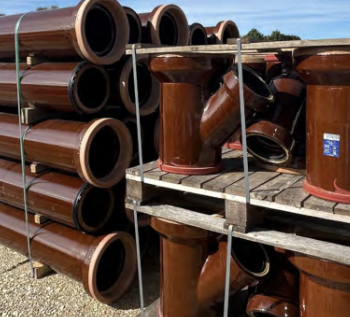
Why vitrified clay pipes are reclaiming their role in built projects.

Research by construction PR consultancy LMC published.
Roles and responsibilities of domestic clients

ACA Safety in Construction guide for domestic clients.
Fire door compliance in UK commercial buildings

Architect and manufacturer gives their low down.
Plumbing and heating for sustainability in new properties

Technical Engineer runs through changes in regulations, innovations in materials, and product systems.
Awareness of the Carbon Border Adjustment Mechanism
What CBAM is and what to do about it.
The new towns and strategic environmental assessments
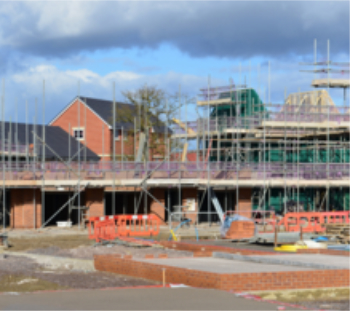
12 locations of the New Towns Taskforce reduced to 7 within the new towns draft programme and open consultation.
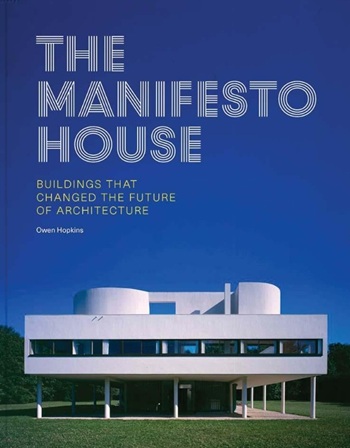
Buildings that changed the future of architecture. Book review.
The Sustainability Pathfinder© Handbook
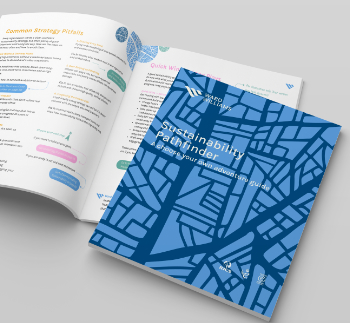
Built environment agency launches free Pathfinder© tool to help businesses progress sustainability strategies.

Government outcome to the late payment consultation, ECA reacts.
IHBC 2025 Gus Astley Student Award winners

Work on the role of hewing in UK historic conservation a win for Jack Parker of Oxford Brookes University.
Future Homes Building Standards and plug-in solar
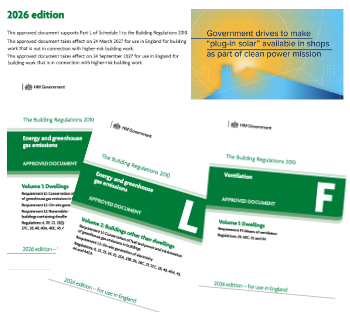
Parts F and L amendments, the availability of solar panels and industry responses.
How later living housing can help solve the housing crisis

Unlocking homes, unlocking lives.
Preparing safety case reports for HRBs under the BSA

A new practical guide to preparing structural inputs for safety cases and safety case reports published by IStructE.
Male construction workers and prostate cancer

CIOB and Prostate Cancer UK encourage awareness of prostate cancer risks, and what to do about it.