





Building performance

|
Contents |
[edit] Introduction
A building's performance (or efficiency) is a measure of how well it functions in relation to designated criteria such as physical, social or environmental considerations. For example, a building's physical efficiency might be evaluated by assessing parameters such as heat loss, energy use, water use, water tightness, structural performance, fire performance and so on. It can also measure whether the resources necessary to design and construct a building have been used effectively.
Assessments can be made for all building types and are particularly important in housing. Concerns about how buildings perform date back at least as far as Neolithic times. Cave dwellers would assess their habitat against criteria such as; shelter from the elements, safety against animal attack, conspicuity, and solar orientation. Similar concerns have preoccupied people ever since, but the list has grown with increasing construction complexity and tighter regulatory requirements.
[edit] Evaluating building performance
Today building performance might be assessed against criteria including:
- Sustainability (are the materials environmentally friendly? How much energy is used to heat/cool the building? How well does the building fabric retain heat (linked to insulation levels and glazing performance)? Is the building water efficient (does it include grey-water recycling)?
- Comfort – can air temperatures, humidity and ventilation achieve a healthy environment?
- Ecology - is there a negative or positive impact on habitats?
- Acoustics – does noise generated by activities in the building adversely affect neighbouring buildings or spaces and vice versa?
- Running costs – how much does it cost to run the building?
- Water tightness – are roofs and openings capable of keeping out rain and other sources of moisture?
- Layout – does the building optimise privacy, sunlight, views, occupant circulation and so on?
- Occupant satisfaction – are the occupants satisfied with the overall resolution of the design?
- Accessibility - is the building easy to use by people with disabilities? Is it safe and secure?
- Society - does the building integrate with and contribute to the local community?
[edit] Building regulations
The first set of national building standards was introduced in 1965. Now known as the Building Regulations, they set out minimum requirements for specific aspects of building design and construction.
For more information see: Building regulations.
[edit] Performance gap
The way some buildings perform when completed may not live up to the designers’ intentions. The difference between anticipated and actual performance may be significant and to the detriment of the occupiers, owners and environment. This is known as the performance gap which, if significant may result in aspects of the construction having to be redone and can lead to legal proceedings.
For more information see: Performance gap
[edit] Performance specifications
Where building contracts include performance specifications, they will describe a particular required outcome, whether a specific U-value, ventilation requirement and so on that has to be achieved. It is then left to the suppliers to deliver those outcomes. In this situation, the nature of the performance required may be defined by the desired outcome, or by reference to standards.
For more information see: Performance specification.
[edit] KPIs
Key performance indicators (KPIs) can provide a method for measuring performance. They can be used to:
- Monitor costs.
- Track progress.
- Assess client satisfaction.
- Identify strengths and weaknesses.
- Compare performance across and between projects.
- Assess specific areas of a project such as sustainability, safety, waste management, etc.
If clients intend to measure the performance of suppliers, it is important that KPIs are identified in tender documentation and that the regular provision of the information required to assess them is a requirement of the contract. KPIs may be of particular importance where the contract stipulates that the contractor will be rewarded or penalised based on their performance relative to certain indicators.
For more information see: Key performance indicators.
[edit] Certification
A number of third-party schemes are available to certify the performance of buildings, such as:
[edit] Related articles on Designing Buildings
- Air tightness in buildings.
- BREEAM: The Next Generation.
- Building performance evaluation.
- Building performance evaluation v post-occupancy evaluation.
- Building performance metrics.
- Building running costs.
- Carbon footprint.
- Energy performance certificates.
- Energy use.
- Environmental impact.
- Heat loss.
- Heat transfer.
- Insulation specification.
- KPIs.
- Lifecycle cost.
- Performance gap.
- Service life of products.
- Solar heat gain coefficient.
- The cavity wall real performance question.
- Thermal performance.
- U-value.
- U-What?
Featured articles
Check out some of the best features and news from Designing Buildings as well as key stories from around the web.

Discover the future of roofing, cladding and insulation.

New guidance for professional practice, cultural change and regulation in social housing.
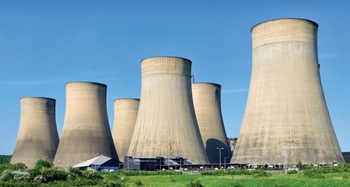
The heritage of nuclear and conventional power stations.
New measures to stop people being ripped off

Government to protect families from cowboy builders and aggressive bailiffs.

New Futurebuild showcase brings an innovation-first approach.
National Planning Policy Framework
Understanding the 2026 changes.
ECA's public affairs priorities

Member consultation opens to shape priorities for 2027 to 2030.

Dutyholder responsibilities from 1 July 2026.
Where performance meets practice

The Building Envelope Stage at UKCW Birmingham.

CIAT publishes briefing on planning reforms.
Leaders in Learning for Practice Network

Call for conservation leaders in learning to register interest in new network.
The importance of early engagement
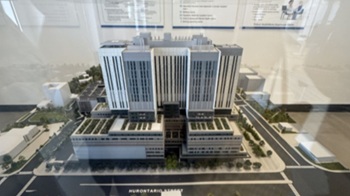
Construction lessons from the Trillium HealthWorks Experience Centre.