





Binding agent
A binding agent, or binder, is a material used to form materials into a cohesive whole, as a means of providing structural stability. Binding agents harden chemically or mechanically, and in the process bond fibres, filler powder and other substances together.
Binding agents have been commonly used in construction for a very long time; for example, the use of straw and natural fibres to strengthen clay in wattle-and-daub construction. A very common binding agent used in contemporary construction is cement, which is used to make concrete. Other common examples include bitumen binder which is used for asphalt pavements, and clay for binding bricks.
Hydraulic binding agents are often used in underground and underwater engineering projects. On mixing with water they continue to preserve and increase their strength. Examples include; Portland cement, pozzolanic cement, blast-furnace cement, alumina and expanding cement, hydraulic lime, and so on.
Air-entrained binding agents harden and maintain their strength after mixing in air rather than water. Examples include; gypsum cement, magnesium cement, air-hardening lime, and so on.
Acid-resistant binding agents can maintain their strength after mixing in air while also in contact with acids, and form various kinds of acid-resistant cement, such as silicon fluoride cement, quartz cement, and so on.
Binding agents can also be 'organic', where they are of organic origin, such as asphalt, bitumen, pitch, polyvinylacetate, resins, and so on. Under the influence of physical or chemical processes they transition from a plastic state to a hard state.
Durability Guaranteed - Pulhamite Rockwork - Its conservation and repair, Published by Historic England in 2008, defines a binder as: ‘The medium or vehicle that binds together the particles of aggregate in a mortar, render or concrete, or the pigments and fillers in a coating (in a mortar or render the binder is usually lime or cement). The binder coats each particle and fills the voids between them, and it is the drying or curing of the binder that causes a mortar or coating to set. Its drying or curing properties and the proportion of binder to aggregate are very important in determining the durability of a mortar.’
NB: The use of 'mechanical' binders refers to bond stones in masonry, and tie beams in timber framing.
[edit] Related articles on Designing Buildings Wiki
- Adhesives.
- Admixture, additive or agent.
- Admixtures in concrete.
- Applications, performance characteristics and environmental benefits of alkali-activated binder concretes.
- Bitumen binder may delay road surface deterioration.
- Caulk.
- Cement.
- Fillers.
- Lime mortar.
- Mortar.
- Pointing.
- Portland cement.
- Sealant.
- Structural adhesives.
- Substrate.
- Types of concrete.
- Types of mortar.
- Volatile organic compounds.
Featured articles
Check out some of the best features and news from Designing Buildings as well as key stories from around the web.

New and updated CLC building safety guidance.
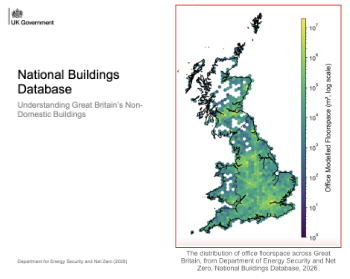
New UK National Buildings Database.
Building Safety Wiki Interviews

Chief executive of the British Woodworking Federation.
Planning condition discharge in England and Wales

A brief explanation from a building compliance expert, with further links.
Overheating guidance and tools for building designers

Guidance for dealing with element of building fabric control that have increasing importance.
Shading for housing, a design guide

From the Good Homes Alliance and British Blind and Shutter Association.
UK Standard Skills Classification (SSC)

A shared framework for describing skills needs.
Social media ban consultation comes to close

CIOB urges UK Government to consider social media’s role in careers guidance in ban debate.
The latest of eight Skills England apprenticeship units

The addition of battery manufacturing welcomed by ECA with a warning about the risks of fast-tracked apprenticeship units.
Building Control Independent Panel final report
A precis of a key report led by Dame Hackitt with full recommendations and link to the government response.
Building Safety recap April, 2026
A short and longer run-through of the month, with links to further information and sources.