





Metal roofing

Contents |
[edit] Introduction
Metal can be used as a roof covering in several different ways. The main forms are based on sheet-like panels, which may be flat or profiled, and either prefabricated, or formed on site, but metal can also be used to create shingles - formed into shapes similar to tiles, shakes or slates.
Sheet metal roofing is typically joined by standing seams or rolled joints. These have no exposed mechanical fasteners, but use a clipped, or rolled design which creates a distinctive projecting seam. This is a very flexible system that can be pre-fabricated or formed on site, and used to create straight or curved seams.
A wide range of profiled and corrugated metal roof panels (sometimes referred to as 'wriggly tin') are also available, historically associated with industrial buildings, as well as built-up roofing systems and trims and flashings to form valleys, ridges, rooflights, aprons, sills, corners, barges and so on.
[edit] Types of metal
Metal roofing materials are primarily manufactured from aluminium and steel, as they are economical, relatively easy to work, are durable and able to receive a number of different finishes.
Steel is heavier than other metal options but as a result is sturdier and can be coated with a range of finishes to provide protection against rust and corrosion as well as to provide colour. Aluminium is more lightweight and is resistant to rust. However, it is more expensive, and relatively soft and so is more prone to denting and marring.
Other metals available for roofing tend to be more expensive, and include:
- Copper: Has been used over centuries for roofs, is rust-resistant, and weathers naturally.
- Alloy roofing products: Formulated from more than one metal to tailor properties of strength and durability.
- Stainless steel: Does not rust or corrode.
- Zinc: Malleable, versatile and resistant to corrosion.
- Lead: Heavy and relatively expensive, but malleable and durable. Can be cut and formed on site to complex shapes.

|

|
| Lead roof | Copper roof |
[edit] Advantages of metal roofs
The benefits of metal roofs can include:
- Life expectancy: Properly installed, a metal roof should have a long lifespan, being resistant to harsh weather, fire, mildew, infestation and rot.
- Weight: Metal roofing is generally lightweight compared with traditional tiles.
- Ease of installation: Most metal roofing materials come in sections,panels or rolls that are prefabricated off site and are relatively quick and easy to instal.
- Metal can reflect radiant heat from the sun, although it does become hot, and so, many systems include insulation, or a dead-air space between the metal and the interior.
- Minimal roof pitch: Most materials can be installed on gently pitching roofs without the danger of water penetration.
- Rain and snow shedding: Metal surfaces are hard and relatively 'slippery', meaning they tend to shed rain and snow relatively easily.
- Walkable: Most metals roofs can be walked on if necessary, although they may be slippery if wet.
[edit] Disadvantages of metal roofs
Disadvantages include the following:
- Cost: Metal roofing has a relatively high capital cost, although it can prove to be an economical investment due to its durability.
- Noise: Metal is noisier than some other materials when there is rain or hail falling on it. The drumming effect can be controlled by using materials that have structural barriers and the use of sound-deadening insulation.
- Denting: Metal can be prone to denting and scratching.
- Expansion and contraction: Metal expands and contracts as it warms and cools, which means that fastening systems must accommodate movement or else end up coming loose.
- Difficult to modify: As they are installed in large panels they can be more difficult to change.
- Theft: Some metals, such as lead have a high value, and are relatively easy to remove.
[edit] Related articles on Designing Buildings Wiki
- Aluminium.
- Cladding.
- Copper.
- Crinkly tin.
- Decorative metal ceilings.
- Domestic roofs.
- Failure of metals.
- Flashing.
- Galvanised steel.
- Lead.
- Long span roof.
- Major cast metal components.
- Metal.
- Metal composite panels.
- Metal profile cladding.
- Pitched roof.
- Roof coverings.
- Roof tiles.
- Shingle roofing.
- Structural steelwork.
- Types of cool roofs.
- Types of roof.
- Zinc
Featured articles
Check out some of the best features and news from Designing Buildings as well as key stories from around the web.

38% of Gen Zs feel safe when a fire door is wedged open.
Stunning images from around the world

Shortlist for CIOB’s Art of Building photography competition.

Guidance for conversion of traditional pre-1919 stone buildings.
Industrial heritage in the Ruhr

A marked difference to the fate of industrial landscapes in the UK.
Communities will be able to build their own clean energy.
Why diversity and inclusion matters for SMEs

CIOB’s D&I Charter shows how practical changes can support long-term growth.
Cut electricity bills to power growth

Coalition sends joint letter to the Chancellor.

Gasholders: a history in pictures. Book review.
Recognition, influence and growth

SocEnv identifies three strategic pillars in new strategy to 2045.
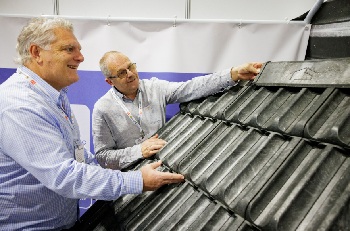
Discover the future of roofing, cladding and insulation.
New guidance for professional practice, cultural change and regulation in social housing.
The heritage of nuclear and conventional power stations.
Comments