





Investment property
Investment property is real estate that is used for the purposes of investment, with the aim being to earn a financial return. This return can be earned either through rental income, the capital gain on future resale of the property or, as is typical, both.
A common type of investment property is an apartment building or rental house, which the owner uses to gain ongoing rental income from tenants rather than using a primary residence.
Investment property can be either long-term, whereby the owner generates capital gains as property values increase over time, or short-term, which is known as 'flipping' - real estate bought, redeveloped or renovated, and sold at a profit. If an investment property is sold for a higher price than it was purchased for, then it will be subject to capital gains tax.
The value of an investment property can be influenced considerably by the way it is used, and property investors typically investigate the most profitable use of a property prior to beginning redevelopment. For example, they will assess whether a piece of real estate near a busy urban high street will have a higher rate of return as a residential or commercial building.
Like all investments, property carries some degree of risk. Typically there is less risk if the property is high quality and in a 'prime' location, although the risk still remains that an investor may pay too, the market will drop, the cost of redevelopment will go up, there are delays, permissions are not received, purchasers do not come forwards and so on. Lower quality property in less a prime location may present more risk but can demonstrate high capital growth, in particular if the area experiences a period of gentrification.
Some of the unique characteristics of investment property include:
- Unlike stocks and shares, property is not a standardised investment. No two properties are the same.
- Property is not a pre-packaged investment - owners have to manage the property.
- Property can often be improved by active management, such as refurbishment, renovation, and so on.
- Property can be created by acquiring land or rights to land.
- Property can be traded at auction or sales, and purchases can be negotiated by estate agents and surveyors, but there is no single market.
- The physical structure of a building may require further investment, but the land on which it stands will not.
- The property investor can have different forms of title from owning the property as a freehold, a long leasehold, short leasehold, and so on.
NB RICS Valuation – Global Standards, Effective from 31 January 2022, Published by the Royal Institution of Chartered Surveyors (RICS) in November 2021, defines investment property as: ‘Property that is land or a building, or part of a building, or both, held by the owner to earn rentals or for capital appreciation, or both, rather than for: a) use in the production or supply of goods or services, or for administrative purposes, or b) sale in the ordinary course of business.’
[edit] Related articles on Designing Buildings
- Business plan.
- Buyer-funded development.
- Cash flow.
- Corporate finance.
- Developer.
- Development appraisal.
- Internal rate of return.
- Investment.
- Investment decision maker.
- Investment Property Databank (IPD).
- Land value.
- Off-plan property.
- Premises.
- Profitability.
- Real estate investment trust REIT.
- Speculative construction.
- Stakeholders.
- Types of development.
- Yield.
Featured articles
Check out some of the best features and news from Designing Buildings as well as key stories from around the web.
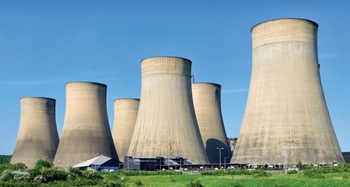
The heritage of nuclear and conventional power stations.
New measures to stop people being ripped off

Government to protect families from cowboy builders and aggressive bailiffs.

New Futurebuild showcase brings an innovation-first approach.
National Planning Policy Framework
Understanding the 2026 changes.
ECA's public affairs priorities

Member consultation opens to shape priorities for 2027 to 2030.

Dutyholder responsibilities from 1 July 2026.
Where performance meets practice
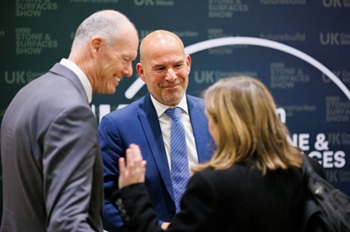
The Building Envelope Stage at UKCW Birmingham.
CIAT publishes briefing on planning reforms.
Leaders in Learning for Practice Network

Call for conservation leaders in learning to register interest in new network.
The importance of early engagement

Construction lessons from the Trillium HealthWorks Experience Centre.
Mayors are to be given planning call in powers
Mayors across England will be able to make the most important planning decisions.
The Master Builder: William Butterfield and his times. Book review.
Comments
[edit] To make a comment about this article, or to suggest changes, click 'Add a comment' above. Separate your comments from any existing comments by inserting a horizontal line.