





Degradation of construction materials
Contents |
[edit] Introduction
Construction materials can be very durable but there are many cases of building materials failing prematurely. All building materials can suffer from deterioration and decay if they are not protected and maintained correctly. Common reasons for the degradation of construction materials include:
[edit] Natural agents
Some materials can decay due to natural processes including:
- Ageing- natural deterioration over time from wear and tear.
- Weather – exposure to the elements over time caused for instance by wind, frost and rain.
- Timber decay- including dry rot, insects, wet rot and fungal attacks.
- Ultraviolet light – radiation from sunlight exposure.
[edit] Moisture
Moisture penetration can cause damage to wood fibres and materials such as plaster, brickwork, concrete and stonework. Capillary action causes water to move through materials and this can result in deterioration.
[edit] Shrinkage
Shrinkage generally occurs in timber. Freshly felled timber will contain significant amounts of moisture, but when used in construction it is likely to dry and shrink, causing cracks and gaps in the timber itself, especially in very dry areas.
Conversely, kiln-dried timber can expand when used in areas with high humidity. The best method to avoid the size changes in timber is to allow it to acclimatise to the conditions in which it will be used, before installation.
[edit] Exposure conditions
Exposure conditions might include:
- Weathering - the combined action of the elements, such as rain, wind, frost and sunlight.
- Thermal ageing - in high temperatures the chemical processes involved in material degradation can be accelerated.
- Humidity – extreme levels of humidity can have an expediting effect on the degradation of materials.
[edit] Corrosion in metals
Corrosion in metals is the result of chemical processes, typically when the metal is exposed to liquid. The most common occurrence of corrosion in metals is oxidation, which causes rust in iron.
[edit] Loading
Loading conditions causing degradation can be classified as:
- Shock – dynamic loads causing impact in low toughness materials.
- Static – can cause creep deformation in materials over time.
- Cyclic – constant varying dynamic loading can cause fatigue in materials.
[edit] Chemical
All materials are generally susceptible to chemical degradation. This can be caused by:
- Alkalis – especially when alkaline cement paste and silica-based aggregates react and can cause cracking.
- Sulphates – sulphates can be present in water and can react with concrete and cause levels of stress.
- Leaching – some porous materials can be susceptible when minerals are dissolved in liquid solutions which will, in turn, weaken materials.
- Acid rain – pollution in the atmosphere combines with water and forms acid rain. This rain can dissolve calcite in marble or limestone.
[edit] Related articles on Designing Buildings Wiki
- Construction materials.
- Defects.
- Deterioration.
- Dry rot.
- Failure of cast iron beams.
- Failure of metals.
- Graphitisation.
- Hydrogen embrittlement.
- Marine corrosion.
- Meassures to minimise material degradation.
- Mould growth in buildings.
- Rust.
- Schedule of defects.
- Stain.
- Structural failures.
[edit] External references
BTEC National Construction Student Book, Pearson
Featured articles
Check out some of the best features and news from Designing Buildings as well as key stories from around the web.

38% of Gen Zs feel safe when a fire door is wedged open.
Stunning images from around the world
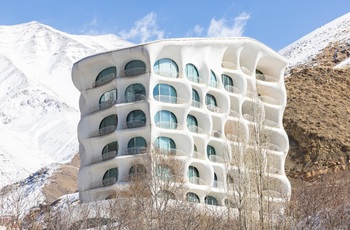
Shortlist for CIOB’s Art of Building photography competition.

Guidance for conversion of traditional pre-1919 stone buildings.
Industrial heritage in the Ruhr

A marked difference to the fate of industrial landscapes in the UK.
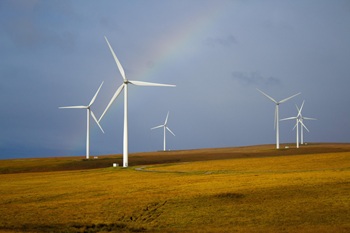
Communities will be able to build their own clean energy.
Why diversity and inclusion matters for SMEs

CIOB’s D&I Charter shows how practical changes can support long-term growth.
Cut electricity bills to power growth

Coalition sends joint letter to the Chancellor.

Gasholders: a history in pictures. Book review.
Recognition, influence and growth
SocEnv identifies three strategic pillars in new strategy to 2045.
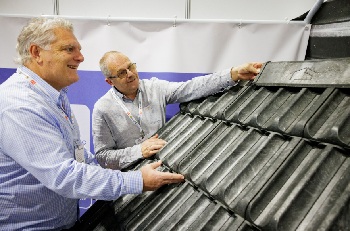
Discover the future of roofing, cladding and insulation.
New guidance for professional practice, cultural change and regulation in social housing.
The heritage of nuclear and conventional power stations.
Comments