





Traditional contract: feasibility studies

The feasibility studies stage considers the options for satisfying the client's needs, enabling the client to prepare a business case for the preferred option and deciding whether to proceed with the project. It is possible to make an outline planning application during this stage if the risk to the project of not receiving planning permission is high, or if delays in receiving planning permission would be problematic.
Contents |
[edit] Appointing a consultant team
The client updates the preliminary business case and strategic brief to reflect comments made at the end of the previous stage and collates site information ready to issue to the consultant team.
The client appoints the consultant team and other advisers (such as independent client advisers). See work stage: Traditional contract: appointment.
The client chairs a consultant team start-up meeting to issue information to the consultant team. This is also an opportunity to establish collaborative practices and agree a programme.
The principal designer (if appointed) confirms with the client that they are aware of their duties under the CDM regulations.
[edit] Developing the strategic brief.
The consultant team work with the client to help them develop the strategic brief sufficiently for feasibility studies and options appraisals to be carried out.
The consultant team assess the site information issued to them by the client and undertake site appraisals. The consultant team obtain any further information about the site that might be required to undertake feasibility studies, such as; site surveys, information about site services, site access conditions, legislative constraints, existing planning consents etc. Where necessary, approval should be sought from the client (for example site surveys requiring additional expenditure).
The lead consultant co-ordinates the preparation of feasibility studies to establish whether the project is viable, and to identify feasible options. The client considers the feasibility studies, and agrees which options the consultant team should develop.
[edit] Preparing an options review report.
The lead designer co-ordinates identification of any further site surveys or site information required to carry out options appraisals and where appropriate seeks approval from the client.
The lead consultant co-ordinates the preparation of a draft options review report:
- The lead designer co-ordinates the preparation of diagrammatic options studies.
- The principal designer (if appointed at this stage) assesses the risks of the options in relation to the CDM regulations.
- The architect co-ordinates consultations with the local authority and other statutory authorities and assesses possible planning permission requirements and other statutory requirements (such as the need for an environmental impact assessment for the options). NB See the work stage Traditional contract: planning permission for additional information.
- The cost consultant prepares initial cost appraisals of the options.
The client considers the draft options review report and either selects a preferred option or instructs the lead consultant to revise the options review report.
[edit] Preparing a business case and project execution plan.
The lead consultant co-ordinates further assessment of the preferred option to assist the client in preparing a business case and project execution plan, including:
- The lead designer establishes requirements for statutory approvals and other regulations with which the preferred option must comply.
- The lead designer co-ordinates consultations with utility providers.
- The lead consultant co-ordinates an assessment of the need for specialist advice to develop the preferred option and advises the client.
With the benefit of assessments carried out by the consultant team, the client develops the preliminary business case into a full business case and project execution plan for the preferred option.
The client considers, and if appropriate, approves the business case and project execution plan for the preferred option and gives instructions to proceed to the next stage along with any other instructions that may be necessary.
At this stage, the client, lead designer and architect may consider whether it would be appropriate to make an outline planning application for the proposed development and direct the consultant team accordingly (if an outline planning application is required at this stage, go to the work stage: Traditional contract: planning permission).
Featured articles
Check out some of the best features and news from Designing Buildings as well as key stories from around the web.

Channel 4 broadcaster to host 125th anniversary ceremony.
Listed structures on the rail network
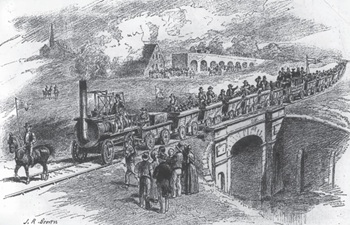
Heritage interests and operational requirements must be balanced.
Historic England publishes research into embodied carbon when retrofitting traditional buildings.

New Prime Minister delivers on ECA call for cut in electricity costs.

CIOB reacts to the announcement of Andy Burnham as Prime Minister.

Heritage and conservation science workforce survey - Have your say.

England's Suburbs 1820-2020. Book review.

New, more proportionate and targeted approach for higher-risk building assessments.

Government brings British Steel into public ownership.

UKCW Birmingham returns with bold new theme and focus.

New guidance published on competence requirements for self-certification schemes.
Construction Management, 8 July

NEETs crisis drives interest in trades, but apprenticeships barriers remain.