





Stud

A stud is a vertical framing member which forms part of a wall or partition. Also known as wall studs, they are a fundamental component of frame construction and are typically made of timber. However, steel studs are increasingly popular, particularly for non load-bearing walls and firewalls.
Studs may carry vertical structural loads, or as part of a partition wall, may be non load-bearing. They are typically sandwiched between top and bottom plates and equally spaced. The spacings will be governed by the size and spanning ability of the facing or cladding material.
Load-bearing walls typically use a double top plate. A single top plate may sometimes be used if the rafters, trusses or joists bearing down on it are directly over the studs.
Traditionally, studs were fastened to the plates by hammer and nail, and then by nail gun. Modern techniques such as screw fasteners, clips and ties can be used to enhance resistance to wind and seismic activity.
Timber studs are easy to use, lightweight, adaptable, and can be clad and infilled with a variety of materials to give different finishes and properties. They should be of prepared or planed material to ensure that the wall is of constant thickness with parallel faces. Care must be taken to ensure that timber studs are completely dry when installed, otherwise they may be prone to shrinking and twisting as they dry out. To ensure they do not become damp, they should be stored carefully on site before usage.
Studs an also hold in place windows, doors, insulation, interior finish, utilities, and so on. In order to form interior and exterior corners, intersecting walls, headers, jambs and sills, studs can be bundled together.
There are different names for studs used to frame window and door openings. These include:
- King stud: On either side of a window or door, running from the bottom to top plate.
- Trimmer or jack: On either side of a window or door, running from the bottom plate to the underside of a lintel or header.
- Cripple stud: Either above or below a framed opening.
- Post or column: Group of studs fastened side-by-side.
[edit] Related articles on Designing Buildings Wiki
Featured articles and news
Costs and insolvencies mount for SMEs, despite growth
Construction sector under insolvency and wage bill pressure in part linked to National Insurance, says report.
The place for vitrified clay pipes in modern infrastructure
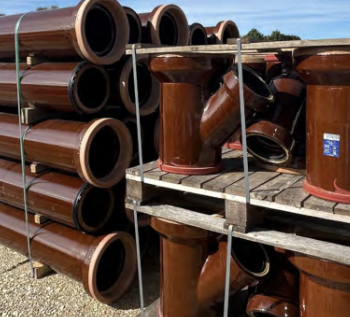
Why vitrified clay pipes are reclaiming their role in built projects.
Research by construction PR consultancy LMC published.
Roles and responsibilities of domestic clients

ACA Safety in Construction guide for domestic clients.
Fire door compliance in UK commercial buildings

Architect and manufacturer gives their low down.
Plumbing and heating for sustainability in new properties
Technical Engineer runs through changes in regulations, innovations in materials, and product systems.
Awareness of the Carbon Border Adjustment Mechanism
What CBAM is and what to do about it.
The new towns and strategic environmental assessments
12 locations of the New Towns Taskforce reduced to 7 within the new towns draft programme and open consultation.
Buildings that changed the future of architecture. Book review.
The Sustainability Pathfinder© Handbook
Built environment agency launches free Pathfinder© tool to help businesses progress sustainability strategies.

Government outcome to the late payment consultation, ECA reacts.
IHBC 2025 Gus Astley Student Award winners

Work on the role of hewing in UK historic conservation a win for Jack Parker of Oxford Brookes University.
Future Homes Building Standards and plug-in solar
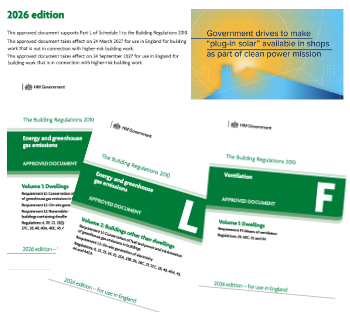
Parts F and L amendments, the availability of solar panels and industry responses.
How later living housing can help solve the housing crisis
Unlocking homes, unlocking lives.
Preparing safety case reports for HRBs under the BSA
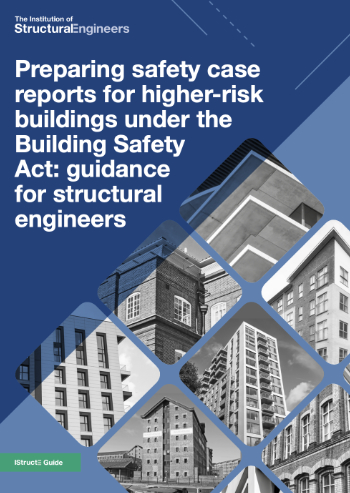
A new practical guide to preparing structural inputs for safety cases and safety case reports published by IStructE.
Male construction workers and prostate cancer

CIOB and Prostate Cancer UK encourage awareness of prostate cancer risks, and what to do about it.