





Solar chimney
Solar chimneys (or thermal chimneys) are a form of passive climate management building design.
Passive climate management design maximises the use of ‘natural’ sources of heating, cooling and ventilation to create comfortable conditions inside buildings. It harness environmental conditions such as solar radiation, cool night air and air pressure differences to drive adjustments to the internal environment's climate. Passive climate management measures do not involve mechanical or electrical systems.
This is as opposed to ‘active’ climate management design, which makes use of active building services systems to create comfortable interior climate conditions, such as boilers and chillers, mechanical ventilation, electric lighting and so on. Buildings will generally include both active and passive climate management systems.
Solar chimneys are generally tall, wide structures constructed facing the sun, with a dark-coloured, matte surface designed to absorb solar radiation. As the chimney becomes hot, it heats the air inside it. The hot air rises up the chimney and is vented out of the top. As this warmed air rises, it draws more air in at the bottom of the chimney, in a process known as convection. This can be used to drive passive ventilation in buildings where cross ventilation or stack ventilation may not be sufficient, and where designers wish to avoid using energy-consuming mechanical ventilation.

Solar chimneys are particularly effective in climates that are humid and hot. They are most efficient when they are tall and wide, but not very deep, as these proportions both maximise the surface area that can absorb solar radiation and maximise the surface area in contact with the air inside the chimney.
Variations in design include incorporating multiple chambers to further increase surface area and/or using materials such as metals that have high temperature conductivity properties to maximise the temperatures achieved within the chimney. Also low emissivity coatings and glazing can also be used to reduce heat losses back to the outside, similar to the design of trombe walls.
It is important that the chimney is insulated from the building itself so that heat gains do not transmit into occupied spaces. In cooler conditions, the chimney can be used to direct absorbed heat back into the building by closing it at the top.
[edit] Find out more
[edit] Related articles on Designing Buildings Wiki
- Approved Document J.
- Cross ventilation.
- Natural ventilation.
- Passive building design.
- Passive solar design.
- Solar thermal systems.
- Stack effect.
- Sustainability.
- Thermal comfort
- Thermal mass.
- Thermal storage for cooling.
- Trombe wall.
- Types of chimneys.
- Types of ventilation.
- Ventilation.
- Windcatcher.
- Wind cowl.
Featured articles and news
Costs and insolvencies mount for SMEs, despite growth
Construction sector under insolvency and wage bill pressure in part linked to National Insurance, says report.
The place for vitrified clay pipes in modern infrastructure
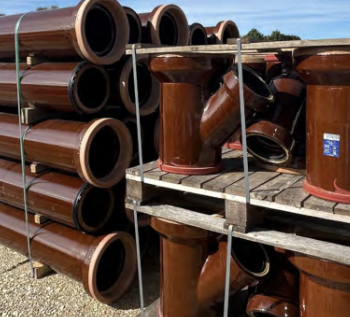
Why vitrified clay pipes are reclaiming their role in built projects.
Research by construction PR consultancy LMC published.
Roles and responsibilities of domestic clients
ACA Safety in Construction guide for domestic clients.
Fire door compliance in UK commercial buildings

Architect and manufacturer gives their low down.
Plumbing and heating for sustainability in new properties
Technical Engineer runs through changes in regulations, innovations in materials, and product systems.
Awareness of the Carbon Border Adjustment Mechanism
What CBAM is and what to do about it.
The new towns and strategic environmental assessments
12 locations of the New Towns Taskforce reduced to 7 within the new towns draft programme and open consultation.
Buildings that changed the future of architecture. Book review.
The Sustainability Pathfinder© Handbook
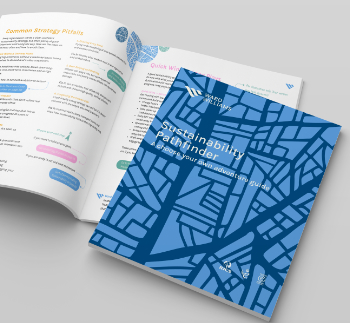
Built environment agency launches free Pathfinder© tool to help businesses progress sustainability strategies.

Government outcome to the late payment consultation, ECA reacts.
IHBC 2025 Gus Astley Student Award winners
Work on the role of hewing in UK historic conservation a win for Jack Parker of Oxford Brookes University.
Future Homes Building Standards and plug-in solar
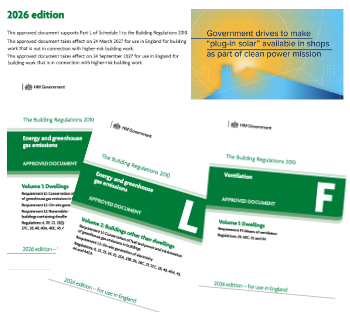
Parts F and L amendments, the availability of solar panels and industry responses.
How later living housing can help solve the housing crisis
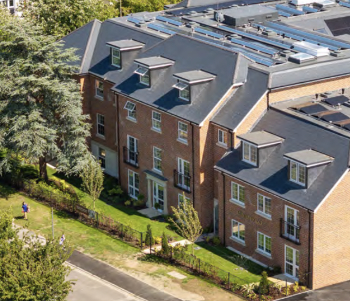
Unlocking homes, unlocking lives.
Preparing safety case reports for HRBs under the BSA
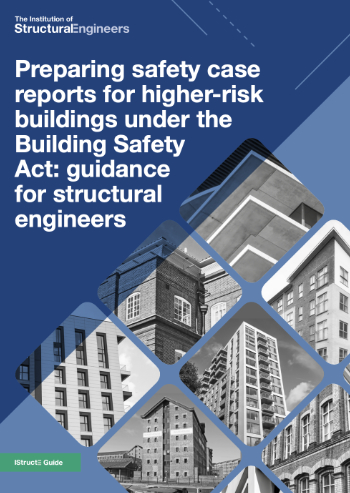
A new practical guide to preparing structural inputs for safety cases and safety case reports published by IStructE.
Male construction workers and prostate cancer

CIOB and Prostate Cancer UK encourage awareness of prostate cancer risks, and what to do about it.