





Wrought Iron Curtain Poles: Design, Materials and Installation Considerations
[edit] Wrought iron curtain poles are used to support curtains while also contributing to the appearance of a room. They are particularly suited to traditional, period and industrial interiors, where the exposed pole and its associated brackets, finials and rings can form part of the overall design.
When specifying a curtain pole for a building, considerations can include the material, pole diameter, fixing arrangement, curtain weight, window dimensions and the architectural character of the room.
[edit] What are wrought iron curtain poles?
A wrought iron curtain pole is a curtain-supporting rod made from wrought iron or, in modern applications, decorative iron or steel designed to reproduce the appearance of traditional wrought ironwork.
Historically, wrought iron was a low-carbon iron produced and worked using traditional methods. Modern decorative products described as wrought iron may instead be manufactured from mild steel or other materials and finished to provide a similar appearance.
The distinction can be important when specifying products for conservation or heritage projects. Historic wrought iron and modern decorative steel should not automatically be considered equivalent materials.
[edit] Components of a wrought iron curtain pole
A typical curtain pole installation can include several components:
- Pole: The horizontal member from which the curtain is suspended.
- Brackets: Supports that attach the pole to a wall or other structural surface.
- Curtain rings: Rings fitted around the pole that allow curtains to be opened and closed.
- Finials: Decorative elements fitted to the ends of the pole.
- Centre supports: Additional brackets that can be required for longer poles or heavier curtains.
- Fixings: Screws, plugs and other components used to secure the brackets to the building.
The combination of these components can affect both the appearance and performance of the installation.
[edit] Design considerations
The appearance of a curtain pole should generally be considered alongside the architectural style of the room.
Simple black poles and plain brackets can complement contemporary or industrial interiors, while scroll brackets, decorative finials and other forged details may be more appropriate for traditional interiors.
For period properties, the design of the pole and its supporting hardware can be selected to complement existing features such as fireplaces, doors, staircases, ironmongery and other decorative metalwork.
The finish is another consideration. A matt black finish, for example, can provide a relatively understated appearance, while more decorative finishes may be selected where the curtain hardware is intended to form a stronger visual feature.
[edit] Selecting the appropriate pole size
The dimensions of a curtain pole should be considered in relation to both the opening and the curtains being installed.
The pole needs to provide sufficient clearance beyond the window or opening to allow the curtains to be moved without unnecessarily obstructing the glazing. The required projection from the wall should also allow adequate clearance for the curtain fabric and any window furniture.
Pole diameter can affect both appearance and load-bearing performance. Heavier curtains may require a more substantial pole and additional support.
Longer installations may require a centre bracket or other intermediate support to reduce deflection. The appropriate spacing between supports depends on the pole material, diameter, curtain weight and fixing arrangement.
[edit] Fixing considerations
Curtain poles are generally fixed to walls using brackets. The suitability of the fixing method depends on the construction of the supporting wall.
Different substrates can include masonry, timber, plasterboard and other forms of wall construction. The fixing selected should be appropriate for the substrate and the expected load.
Before installation, the position of existing services should also be considered. Drilling into walls without checking for concealed electrical cables or other services can create a safety risk.
For heavier curtains or unusual installations, the supporting structure and fixing arrangement may require additional consideration.
[edit] Wrought iron curtain poles in period buildings
Decorative metalwork can play an important role in the character of historic buildings. Curtain poles are generally less significant than structural or external ironwork, but their appearance can still contribute to an interior scheme.
In listed or historically significant buildings, alterations should be considered in the context of the building's significance and any applicable conservation requirements.
Where an existing historic feature is being repaired or replicated, it is important to establish what material was originally used. Modern mild steel, cast iron and historically produced wrought iron have different characteristics and should not be treated as interchangeable in conservation work.
Existing historic metalwork should therefore be assessed before replacement components are specified.
[edit] Maintenance
The maintenance requirements of a curtain pole depend on its material and finish.
Metal components should be kept reasonably clean and dry, particularly where condensation or high humidity could contribute to corrosion. Damaged finishes can expose the underlying metal to moisture, so signs of corrosion should be investigated and addressed where appropriate.
Moving components such as curtain rings should also be checked periodically to ensure that they continue to operate smoothly.
[edit] Choosing a curtain pole for a building project
When specifying a wrought iron-style curtain pole, designers and homeowners can consider:
- The architectural style of the building and room.
- The size and weight of the curtains.
- The required pole length and diameter.
- The number and position of supporting brackets.
- The construction of the wall or supporting surface.
- The finish and appearance of the hardware.
- Whether the project involves a historic or listed building.
- The maintenance requirements of the selected material and finish.
These factors can help ensure that the curtain hardware is both visually appropriate and suitable for its intended use.
[edit] Related information
Further information on wrought iron, its historical manufacture, identification and conservation can be found in the Designing Buildings article on SG wrought iron.
For examples of decorative curtain poles, brackets, rings and associated ironwork, manufacturers and suppliers may provide product information to assist with specification and selection.
Featured articles
Check out some of the best features and news from Designing Buildings as well as key stories from around the web.

38% of Gen Zs feel safe when a fire door is wedged open.
Stunning images from around the world
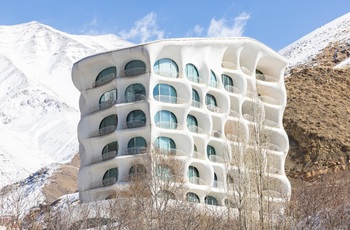
Shortlist for CIOB’s Art of Building photography competition.

Guidance for conversion of traditional pre-1919 stone buildings.
Industrial heritage in the Ruhr
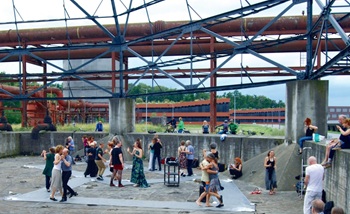
A marked difference to the fate of industrial landscapes in the UK.

Communities will be able to build their own clean energy.
Why diversity and inclusion matters for SMEs

CIOB’s D&I Charter shows how practical changes can support long-term growth.
Cut electricity bills to power growth

Coalition sends joint letter to the Chancellor.

Gasholders: a history in pictures. Book review.
Recognition, influence and growth

SocEnv identifies three strategic pillars in new strategy to 2045.
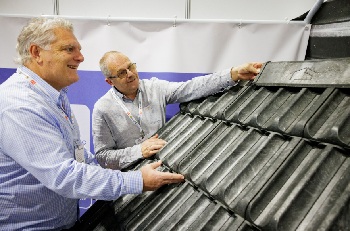
Discover the future of roofing, cladding and insulation.

New guidance for professional practice, cultural change and regulation in social housing.
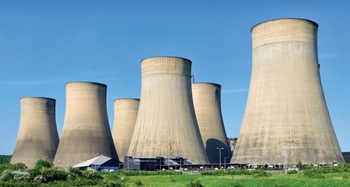
The heritage of nuclear and conventional power stations.