





Welsh building regulations
Contents |
[edit] Introduction
The building regulations define the standards for construction and design applicable to the majority of new buildings and some alterations to existing buildings. They set out:
- What qualifies as ‘building work’ and so falls under the control of the regulations.
- What types of buildings are exempt.
- The notification procedures that must be followed when starting, carrying out, and completing building work.
- Requirements for specific aspects of building design and construction.
The Welsh Ministers (Transfer of Functions) (No. 2) Order 2009 was made on 17 November 2009 and came into force on 31 December 2011 when responsibility for building regulations in Wales was transferred to the Welsh government.
This included powers in:
- The Building Act 1984.
- The Sustainable and Secure Buildings Act 2004.
- The Climate Change and Sustainable Energy Act 2006.
- The functions in secondary legislation made under these Acts, including functions under the Building Regulations 2010 and the Building (Approved Inspectors, etc.) Regulations 2010.
The Building Regulations Advisory Committee for Wales (BRACW), which was set up in 2012, advises on proposed changes to the regulations and follows the Code of Practice for Scientific Advisory Committees (CoPSAC).
NB on 27 February 2015, the Wales Office published proposals for further devolution of powers to Wales. Ref Powers for a purpose: Towards a lasting devolution settlement for Wales.
[edit] Building regulations guidance
Practical guidance on compliance with all aspects of the building regulations is available from the Welsh government website. A series of ‘Approved Documents’ accompany the regulations, setting out ways that the building regulations can be satisfied in common building situations.
At present, many of the approved documents are common to both England and Wales, but increasingly there will be divergence between them as the Welsh government introduces its own standards.
Circulars are provided by the Welsh Government to provide information about new or amended policy.
[edit] Building control
Building Control Bodies (BCB) are responsible for verifying that building regulations are being complied with. There are two different bodies able to provide this service:
Local authority building control is provided by the 22 local authorities in Wales which have a statutory duty to ensure that building work complies with the building regulations.
Private sector Approved Inspectors are authorised individuals or companies who under the Building Act 1984 can check that building work is compliant with the regulations. The Construction Industry Council (CIC) approve individuals as approved inspectors and the Association of Consultant Approved Inspectors (ACAI) acts as the representative body.
[edit] Related articles on Designing Buildings Wiki.
Featured articles
Check out some of the best features and news from Designing Buildings as well as key stories from around the web.
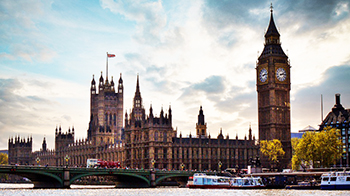
Your views needed - a strategy for the professions, trades and occupations.

Confronting competency, codes, capacity and costs.
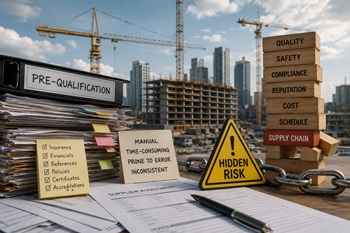
The hidden risk in modern construction supply chains.
Construction Management, 10 June

24 months to 14: CITB launches accelerated apprenticeships.
Bridging the gap between clients and contractors
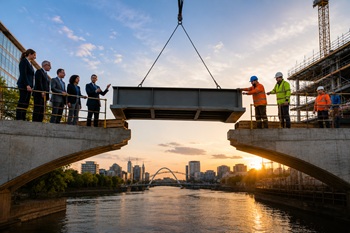
Concerns remain around contractor quality, capability, and delivery.
Construction Management, 10 June.
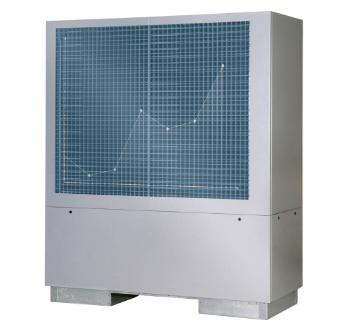
Heat pumps beat boilers in new home tests.
Building Safety Act implementation in Wales

CIAT to host industry panel on 26 June.
New and updated CLC building safety guidance.
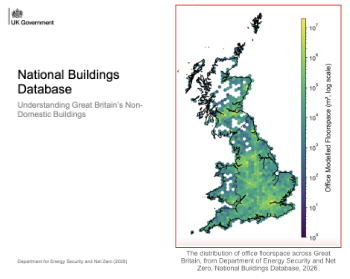
New UK National Buildings Database.
Building Safety Wiki Interviews

Chief executive of the British Woodworking Federation.
Planning condition discharge in England and Wales

A brief explanation from a building compliance expert, with further links.