






Visual alarm devices for fire: An introduction and guide to BS EN 54-23
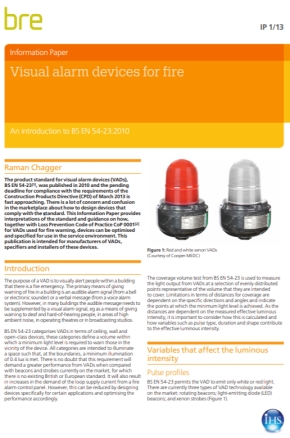
BRE (Building Research Establishment) is an independent, research-based consultancy, testing and training organisation, operating in the built environment and associated industries.
On 28 February 2012, BRE published Visual alarm devices for fire: An introduction and guide to BS EN 54-23.
The purpose of a visual alarm device (VAD) is to visually alert people within a building that there is a fire emergency. The primary means of giving warning of fire in a building is an audible signal (from a bell or electronic sounder) or a verbal message (from a voice alarm system). However, in many buildings the audible message needs to be supplemented by a visual alarm signal, eg as a means of giving warning to deaf and hard-of-hearing people, in areas of high ambient noise, in operating theatres or in broadcasting studios.
The product standard for VADs, BS EN 54-23, was published in 2010 and the deadline for compliance with the requirements of the Construction Products Directive (CPD) was March 2013. This Information Paper provides interpretations of the standard and guidance on how, together with Loss Prevention Code of Practice CoP 0001 for VADs used for fire warning, devices can be optimised and specified for use in the service environment.
This 12-page publication is intended for manufacturers of VADs, specifiers and installers. Its contents are:
- Introduction.
- Variables that affect the luminous intensity.
- The coverage volume test.
- Testing and approvals for VADs.
- Codes of practice for VADs.
- Conclusions.
- References.
Ref https://www.brebookshop.com/details.jsp?id=327102
[edit] Related articles on Designing Buildings Wiki
- BRE articles on Designing Buildings Wiki.
- BRE Buzz articles on Designing Buildings Wiki.
- BRE Buzz.
- BREEAM.
- Building Research Establishment.
- Visual alarm devices - their effectiveness in warning of fire.
- Automatic fire detection and alarm systems, an introductory guide to components and systems BR 510.
- Evacuating vulnerable and dependent people from buildings in an emergency FB 52.
- Fire detection and alarm system.
- Fire detector.
- Fire.
- Heat alarm.
- Ionisation smoke alarms.
- Optical smoke alarm.
- Personal protection watermist systems in the homes of vulnerable people.
- Smoke detector.
- The causes of false fire alarms in buildings.
- Understanding the factors affecting flashover of a fire in modern buildings.
Featured articles and news
Costs and insolvencies mount for SMEs, despite growth

Construction sector under insolvency and wage bill pressure in part linked to National Insurance, says report.
The place for vitrified clay pipes in modern infrastructure
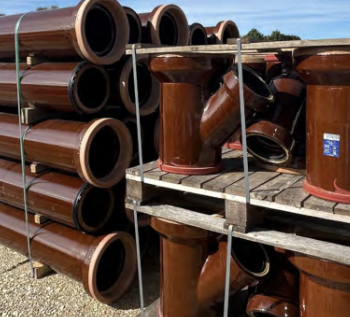
Why vitrified clay pipes are reclaiming their role in built projects.

Research by construction PR consultancy LMC published.
Roles and responsibilities of domestic clients
ACA Safety in Construction guide for domestic clients.
Fire door compliance in UK commercial buildings

Architect and manufacturer gives their low down.
Plumbing and heating for sustainability in new properties
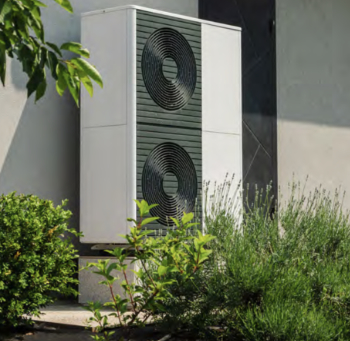
Technical Engineer runs through changes in regulations, innovations in materials, and product systems.
Awareness of the Carbon Border Adjustment Mechanism
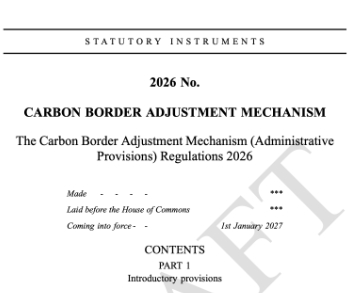
What CBAM is and what to do about it.
The new towns and strategic environmental assessments
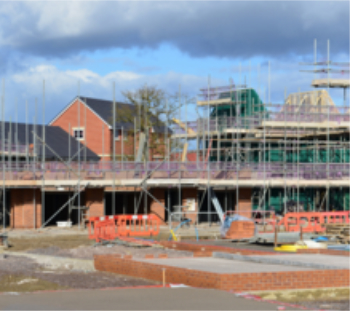
12 locations of the New Towns Taskforce reduced to 7 within the new towns draft programme and open consultation.

Buildings that changed the future of architecture. Book review.
The Sustainability Pathfinder© Handbook
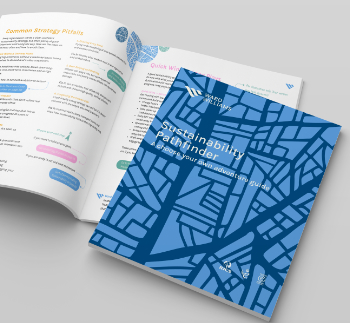
Built environment agency launches free Pathfinder© tool to help businesses progress sustainability strategies.

Government outcome to the late payment consultation, ECA reacts.
IHBC 2025 Gus Astley Student Award winners

Work on the role of hewing in UK historic conservation a win for Jack Parker of Oxford Brookes University.
Future Homes Building Standards and plug-in solar
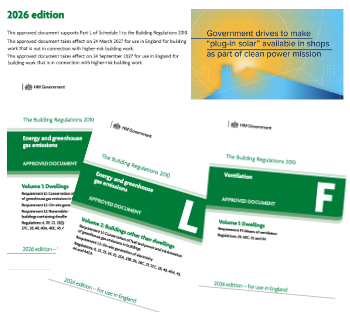
Parts F and L amendments, the availability of solar panels and industry responses.
How later living housing can help solve the housing crisis

Unlocking homes, unlocking lives.
Preparing safety case reports for HRBs under the BSA
A new practical guide to preparing structural inputs for safety cases and safety case reports published by IStructE.
Male construction workers and prostate cancer

CIOB and Prostate Cancer UK encourage awareness of prostate cancer risks, and what to do about it.