





Traditional contract: occupation and defects liability period

The occupation and defects liability period takes place after the client has taken possession of the development for occupation. During this stage, any defects are rectified and the final certificate is issued signifying that the construction works have been fully completed. As the development is now occupied, and the contractor no longer has possession of the site, close co-operation is required between the contractor and the client so as so not to disturb occupants, whose activities will take priority over work required to rectify defects.
[edit] Rectifying defects.
The contract administrator arranges a start-up meeting to plan the work stage.
If the contract allows, the contract administrator may review all relevant events that might be considered to have affected the completion date and may adjust the completion date accordingly.
The client reports any defects in the works to the contract administrator. On large projects the contractor may set up a hot desk for responding to any complaints or to provide assistance required by the incoming occupants. The contract administrator, takes advice from the consultant team and instructs the contractor to rectify the defects. The contractor and client agree a programme for rectifying defects in a way that minimises disruption to the client.
If rectification works are significant, it may be necessary for the client to re-appoint the principal designer (whose appointment may have terminated on certification of practical completion) and it may be necessary to amend the health and safety file.
If any amounts are due to the contractor, the cost consultant prepares valuation statements for interim certificates. The contract administrator checks the preparation of the valuation statements and issues interim certificates (payment notices). The notices must be issued within five days of the dates for payment set out in the contract. If the client intends to pay a different amount from that shown on an interim certificate, then they must issue a pay less notice giving the basis for the calculation of the amount they intend to pay. The client makes payments to the contractor by the final date for payment.
At the end of the defects liability period, the contract administrator arranges inspections of the works and prepares a schedule of defects which is issued to the contractor. The contract administrator agrees the programme for rectification of items on the schedule of defects with the client and contractor, which should in any event be rectified within a reasonable time.
The contractor completes the building owner's manual, rectifies items listed on the schedules of defects and informs the contract administrator. The contract administrator arranges final inspections of the works and if satisfied issues the certificate of making good defects.
If a site waste management plan has been prepared, the contractor may reconcile the planned handling of waste (as described in the site waste management plan) against what actually happened and provide an explanation of any differences.
The contract administrator co-ordinates preparation of a final report and issues this to the client.
The cost consultant prepares the final account in consultation with the contractor and issues it to the contract administrator. The contract administrator checks the preparation of the final account and issues the final certificate (payment notice) this will include the release of any remaining retention. If the client intends to pay a different amount from that shown on the certificate, then they must issue a pay less notice giving the basis for the calculation of the amount they intend to pay. The client makes payment to the contractor by the final date for payment.
Issuing the final certificate will normally signify the end of the consultant teams appointments. If post-occupancy evaluation services are required, these may involve a new appointment.
Featured articles and news
Costs and insolvencies mount for SMEs, despite growth

Construction sector under insolvency and wage bill pressure in part linked to National Insurance, says report.
The place for vitrified clay pipes in modern infrastructure
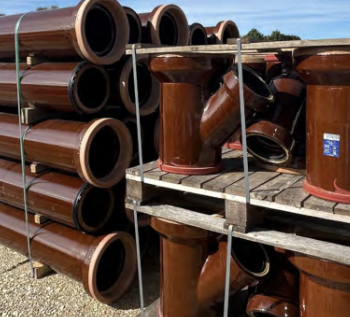
Why vitrified clay pipes are reclaiming their role in built projects.

Research by construction PR consultancy LMC published.
Roles and responsibilities of domestic clients

ACA Safety in Construction guide for domestic clients.
Fire door compliance in UK commercial buildings

Architect and manufacturer gives their low down.
Plumbing and heating for sustainability in new properties

Technical Engineer runs through changes in regulations, innovations in materials, and product systems.
Awareness of the Carbon Border Adjustment Mechanism
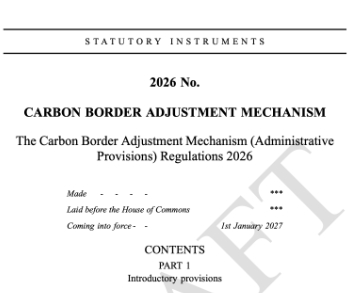
What CBAM is and what to do about it.
The new towns and strategic environmental assessments
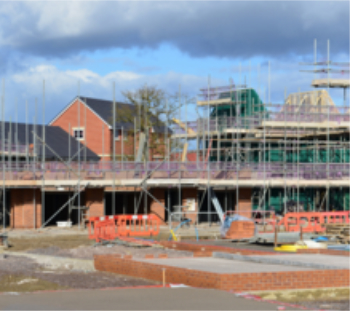
12 locations of the New Towns Taskforce reduced to 7 within the new towns draft programme and open consultation.

Buildings that changed the future of architecture. Book review.
The Sustainability Pathfinder© Handbook
Built environment agency launches free Pathfinder© tool to help businesses progress sustainability strategies.

Government outcome to the late payment consultation, ECA reacts.
IHBC 2025 Gus Astley Student Award winners

Work on the role of hewing in UK historic conservation a win for Jack Parker of Oxford Brookes University.
Future Homes Building Standards and plug-in solar

Parts F and L amendments, the availability of solar panels and industry responses.
How later living housing can help solve the housing crisis

Unlocking homes, unlocking lives.
Preparing safety case reports for HRBs under the BSA
A new practical guide to preparing structural inputs for safety cases and safety case reports published by IStructE.
Male construction workers and prostate cancer

CIOB and Prostate Cancer UK encourage awareness of prostate cancer risks, and what to do about it.