






The Complete Guide to PUF Cold Room Panels: Installation, Benefits & Cost Analysis 2025
Contents |
[edit] Understanding Cold Storage Insulation Solutions
Cold storage facilities require superior insulation to maintain consistent temperatures and minimise energy consumption. PUF Cold Room Panel technology has revolutionised the way industries approach temperature-controlled environments. These panels consist of polyurethane foam core sandwiched between two metal sheets, providing exceptional thermal resistance. The rigid structure ensures durability while maintaining optimal insulation properties for years, making them ideal for pharmaceutical storage, food processing units, and logistics warehouses.
[edit] Advanced Panel Systems for Controlled Environments
Modern industrial facilities require precise environmental controls beyond basic cold storage. Clean Room Puf Sandwich Panels are specifically engineered to meet stringent hygiene standards required in pharmaceutical manufacturing, biotechnology labs, and food processing units. These panels feature smooth, non-porous surfaces that prevent bacterial growth and facilitate easy cleaning. The seamless installation minimises contamination risks, while the superior insulation properties maintain stable temperature and humidity levels, which are essential for sensitive operations.
[edit] Key Advantages of Polyurethane Foam Technology
The integration of polyurethane foam in insulation panels offers multiple operational benefits. The PUF Sandwich Panel for Cold Storage provides excellent thermal efficiency, characterised by low thermal conductivity values, typically ranging from 0.019 to 0.023 W/mK. This superior insulation reduces cooling load requirements, directly impacting operational costs. The lightweight yet robust construction simplifies installation processes and reduces structural load on buildings. Additionally, these panels offer excellent fire resistance properties and maintain structural integrity across a wide temperature range.
[edit] Installation Considerations and Best Practices
Proper installation ensures maximum performance and longevity of cold storage systems. Panel alignment, joint sealing, and structural support are crucial factors affecting overall efficiency. Professional installation teams must ensure vapour barriers are correctly positioned to prevent moisture infiltration. The interlocking cam-lock system commonly used in modern panels creates airtight seals when properly installed. Regular maintenance inspections help identify potential issues before they compromise storage conditions or lead to increased energy consumption.
[edit] Industry Leadership and Quality Standards
Selecting reliable suppliers ensures access to certified products meeting international standards. Top Clean Room Panel Manufacturers and Suppliers invest heavily in research and development to enhance product performance and sustainability. Quality manufacturers provide comprehensive technical support, including thermal calculations, structural analysis, and customised solutions for specific applications. Certifications such as ISO standards, fire safety ratings, and food-grade material compliance demonstrate commitment to quality and safety.
[edit] Market Landscape and Reliable Solutions
The cold storage industry continues to expand with growing demand for temperature-controlled logistics and pharmaceutical storage. Manufacturers offer end-to-end services from design consultation to after-sales support, ensuring optimal performance of cold storage facilities. Their expertise spans various applications, including blast freezers, ripening chambers, and pharmaceutical storage units.
[edit] Cost Analysis and Return on Investment
Initial investment in quality insulation panels yields significant long-term savings through reduced energy consumption. Operational costs decrease by 30-40% compared to traditional insulation methods due to superior thermal efficiency. The durability of polyurethane panels minimises replacement and maintenance expenses over their 20-25 year lifespan. When evaluating costs, consider energy savings, maintenance requirements, and compliance with regulatory standards to calculate true return on investment.
Featured articles
Check out some of the best features and news from Designing Buildings as well as key stories from around the web.
Construction Management, 10 June

24 months to 14: CITB launches accelerated apprenticeships.
Bridging the gap between clients and contractors

Concerns remain around contractor quality, capability, and delivery.
Construction Management, 10 June.
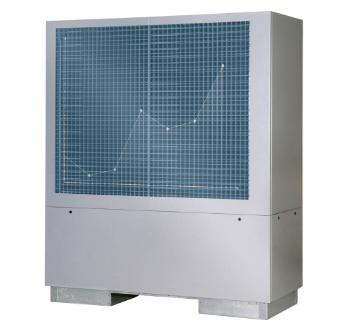
Heat pumps beat boilers in new home tests.
Building Safety Act implementation in Wales

CIAT to host industry panel on 26 June.

New and updated CLC building safety guidance.

New UK National Buildings Database.
Building Safety Wiki Interviews

Chief executive of the British Woodworking Federation.
Planning condition discharge in England and Wales

A brief explanation from a building compliance expert, with further links.
Overheating guidance and tools for building designers

Guidance for dealing with element of building fabric control that have increasing importance.
Shading for housing, a design guide

From the Good Homes Alliance and British Blind and Shutter Association.
UK Standard Skills Classification (SSC)

A shared framework for describing skills needs.