





Temporary services on construction sites
Before work can begin on a construction site, whether a big or small project, a number of services must be temporarily set up. This is in addition to the permanent services that will be required for the completed development and temporary site facilities that are required for the welfare of workers.
The development of temporary site services should be part of the site layout plans. These are prepared by contractors as part of their mobilisation activities before work on site commences. See Site layout plan for more information.
These services might include:
- A constant and reliable electricity supply. Fitness for purpose and safety must be ensured by fully testing and certifying electricity installations. Site offices and welfare units are likely to require a high concentration of electricity supply, but other, perhaps more isolated areas of a site may also need supplying.
- Water distribution and drainage. The CDM Regulations stipulate that sanitary conveniences, washing facilities and drinking water must be provided on a site.
- In order that construction work can continue effectively and safely in periods of insufficient natural light, it is important that a site is supplied with suitable artificial lighting. Lighting can be used internally for general movement and working on the site itself, externally for illuminating entry, storage and circulation areas, and can also be an effective form of deterrent for trespassers. Depending on the requirements of the site, an appropriate lighting plan should be drawn up. For more information, see Lighting of construction sites.
- If the site is big enough to require site offices, there will need to be an internet connection, WiFi, a local area network, telephones and so on.
- Perimeter security may include electric fences, buried cable detection systems, alarms, closed-loop systems, CCTV, microwave, infrared or radar sensors and so on.
It may be necessary to locate and connect to or divert existing services on the site.
It may be necessary to arrange for the supply of services with utilities companies.
[edit] Related articles on Designing Buildings
Featured articles
Check out some of the best features and news from Designing Buildings as well as key stories from around the web.
Bridging the gap between clients and contractors

Concerns remain around contractor quality, capability, and delivery.
Construction Management, 10 June.
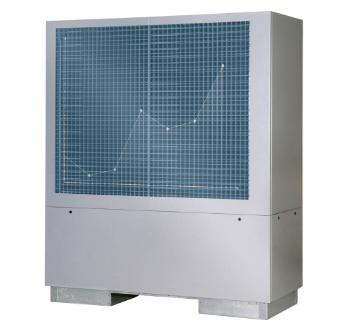
Heat pumps beat boilers in new home tests.
Building Safety Act implementation in Wales

CIAT to host industry panel on 26 June.

New and updated CLC building safety guidance.
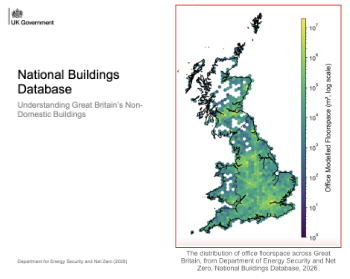
New UK National Buildings Database.
Building Safety Wiki Interviews

Chief executive of the British Woodworking Federation.
Planning condition discharge in England and Wales

A brief explanation from a building compliance expert, with further links.
Overheating guidance and tools for building designers

Guidance for dealing with element of building fabric control that have increasing importance.
Shading for housing, a design guide

From the Good Homes Alliance and British Blind and Shutter Association.
UK Standard Skills Classification (SSC)

A shared framework for describing skills needs.
Social media ban consultation comes to close

CIOB urges UK Government to consider social media’s role in careers guidance in ban debate.