






Sustainable Living research project

Contents |
[edit] Introduction
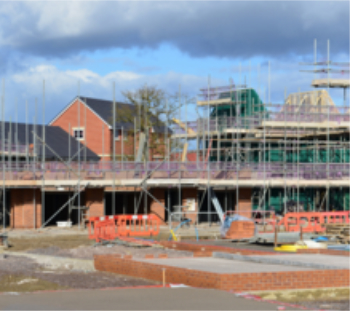
The government’s 2017 housing white paper is critical of the construction industry - just as a major piece of research looking into materials choice in the construction industry supply chain gets underway.
It has brought the issues of innovation, modernisation and productivity to the forefront of construction industry policy and practice.
Against the background of a severe housing shortage, falling numbers of new-build housing units and a skills shortage in the house-building sector, it accuses the industry of being 'slow to modernise and make use of more efficient and faster ways of building'.
The solution it suggests is for more homes to be constructed offsite. Such homes, it claims, are 'high quality, reliable, more productive and can be highly energy efficient'.
[edit] Doing things differently
The tone of the white paper - that the housebuilding industry is reluctant to embrace change - echoes that of the Farmer Review of the UK construction labour model 'Modernise or die'. It also reflects Farmer's assertion of the need for more offsite construction of innovative building products:
"What do we need to do to get the industry to do things differently – to change its practices towards those that result in greater productivity, more innovative construction practices, products and materials, and the sustainability of both the industry and the built environment that results from its endeavours?"
[edit] Searching for the right solution
In partnership with building materials and construction firm Tarmac, the University of Hertfordshire's Centre for Sustainable Communities is currently undertaking research into this question.
Focusing on materials choices in the construction industry supply chain, the research is looking at the day-to-day, 'real-life' context in which decisions are made.
Among other things, this involves in-depth interviews with a sample of key industry stakeholders (including civil engineers, Tier 1 contractors, architects, clients, materials specifiers and end-users).
It also involves a large-scale, quantitative survey of such stakeholders and a focus group to consider the research findings. Readers of this blog are encouraged to participate in the project's interviews, survey and focus group.
[edit] Influencing material choices in the supply chain
Underpinning the framing of the research are a number of assumptions about what is likely to influence materials choices in the construction industry supply chain.
Chiming with many of Farmer's core recommendation principles, these include: finance, custom and practice, knowledge/training, regulatory compliance, communication, and client specification. (This is not an exhaustive list, and people are welcome to suggest other factors that have a bearing on materials choices.)
[edit] Aim of the UH-Tarmac Sustainable Living research project
The aim of the UH-Tarmac sustainable living research project, Supporting innovation and best practice in the materials supply chain: Communicating and learning with suppliers and end-users, is to shed light on the barriers to the greater use of innovative, sustainable building materials, by exploring in-depth both the nature of the barriers themselves and the relative significance of each of them in influencing purchasing decisions.
The 3-year, £150,000 research project aims to explore and understand purchasing decision-making processes and contexts in the construction industry supply chain, and the impact of these on the demand for sustainable building products.
[edit] How can I get involved?
The anticipated project outputs include a detailed report on purchasing decision-making in the construction industry supply chain, and briefing notes for industry stakeholders in respect of how to overcome the multiple prima facie barriers to innovation and modernisation that the research will address.
For more information on how to get involved, contact Dr John McCormack, Centre for Sustainable Communities, University of Hertfordshire. 07811 352114 [email protected]
This article was originally published on 15 May 2017 by ICE. It was written by John McCormack, Research Fellow, University of Hertfordshire’s Centre for Sustainable Communities.
--The Institution of Civil Engineers
[edit] Related articles on Designing Buildings
Featured articles and news
A carbon case for indigenous slate
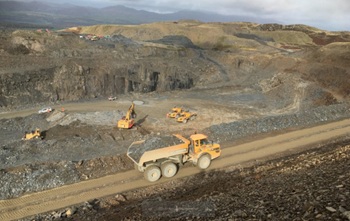
UK slate can offer clear embodied carbon advantages.
Costs and insolvencies mount for SMEs, despite growth

Construction sector under insolvency and wage bill pressure in part linked to National Insurance, says report.
The place for vitrified clay pipes in modern infrastructure
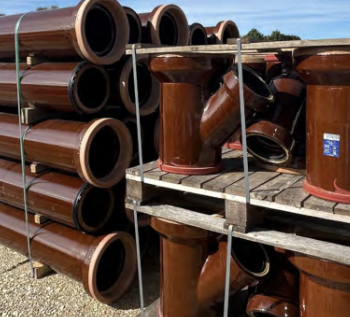
Why vitrified clay pipes are reclaiming their role in built projects.
Research by construction PR consultancy LMC published.
Roles and responsibilities of domestic clients

ACA Safety in Construction guide for domestic clients.
Fire door compliance in UK commercial buildings

Architect and manufacturer gives their low down.
Plumbing and heating for sustainability in new properties

Technical Engineer runs through changes in regulations, innovations in materials, and product systems.
Awareness of the Carbon Border Adjustment Mechanism
What CBAM is and what to do about it.
The new towns and strategic environmental assessments
12 locations of the New Towns Taskforce reduced to 7 within the new towns draft programme and open consultation.
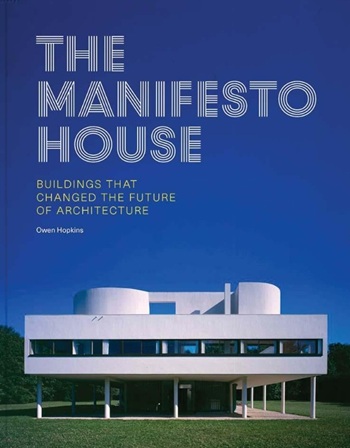
Buildings that changed the future of architecture. Book review.
The Sustainability Pathfinder© Handbook
Built environment agency launches free Pathfinder© tool to help businesses progress sustainability strategies.

Government outcome to the late payment consultation, ECA reacts.
IHBC 2025 Gus Astley Student Award winners

Work on the role of hewing in UK historic conservation a win for Jack Parker of Oxford Brookes University.