





Structural Insulated Panels SIPS
Structural insulated panels (SIPs) are a form of composite sandwich panel system that incorporates insulation, predominantly used for residential and light commercial construction.
They take the form of an insulating core (such as closed-cell polyurethane foam or expanded polystyrene) sandwiched between two structural facings. In the UK, the mainstream suppliers typically use the same structural facing – oriented strand board (OSB), which complies with the British Standard BS EN 300 for structural integrity.
SIPs are manufactured under factory-controlled conditions off-site and can be installed quickly once on site. The benefits of using SIPs are that they are high-strength, provide good thermal performance and can be fabricated to fit nearly any building design. They can prove cost-effective as a design solution (costing around the same as timber frame construction) due to their quick installation, reduced waste, energy use reduction and inherent strength (up to six times stronger than a regular timber frame).
The maximum length of a SIP is typically 7.5 m for walls and roofs. Floors can reach spans of up to 4 m. Various thicknesses are available, although the standard panel width is 142 mm.
[edit] Related articles on Designing Buildings
- Cladding for buildings.
- Composites.
- Construction materials.
- Curtain wall systems.
- Insulation.
- Panelling.
- Polyurethane spray foam in structurally insulated panels and composite structures.
- Rainscreen.
- Sandwich panel.
- Sarking.
- Thermal behaviour of architectural fabric structures.
- Timber engineered structural frames.
- Types of insulation.
Featured articles and news
Costs and insolvencies mount for SMEs, despite growth
Construction sector under insolvency and wage bill pressure in part linked to National Insurance, says report.
The place for vitrified clay pipes in modern infrastructure
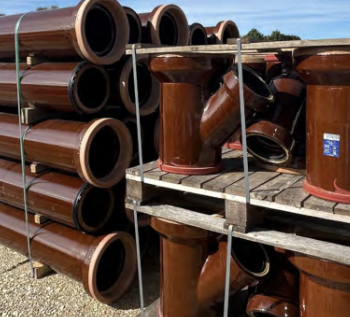
Why vitrified clay pipes are reclaiming their role in built projects.

Research by construction PR consultancy LMC published.
Roles and responsibilities of domestic clients
ACA Safety in Construction guide for domestic clients.
Fire door compliance in UK commercial buildings

Architect and manufacturer gives their low down.
Plumbing and heating for sustainability in new properties
Technical Engineer runs through changes in regulations, innovations in materials, and product systems.
Awareness of the Carbon Border Adjustment Mechanism
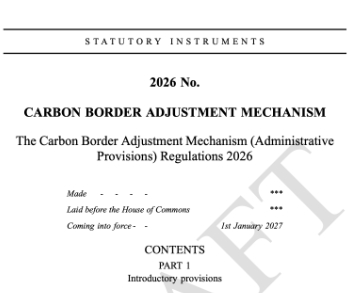
What CBAM is and what to do about it.
The new towns and strategic environmental assessments
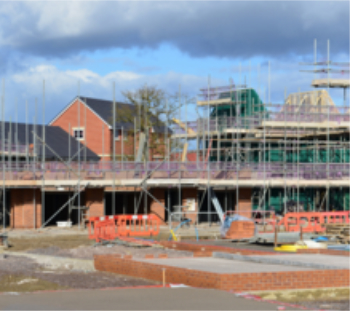
12 locations of the New Towns Taskforce reduced to 7 within the new towns draft programme and open consultation.
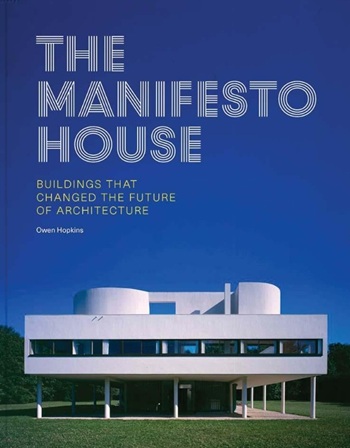
Buildings that changed the future of architecture. Book review.
The Sustainability Pathfinder© Handbook
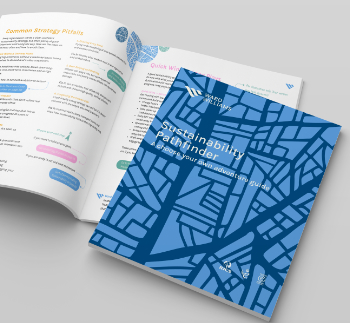
Built environment agency launches free Pathfinder© tool to help businesses progress sustainability strategies.

Government outcome to the late payment consultation, ECA reacts.
IHBC 2025 Gus Astley Student Award winners

Work on the role of hewing in UK historic conservation a win for Jack Parker of Oxford Brookes University.
Future Homes Building Standards and plug-in solar
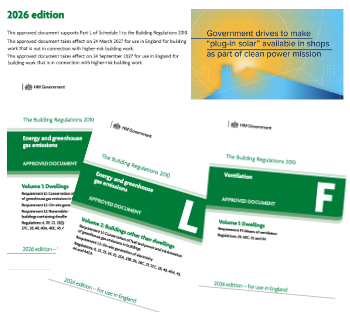
Parts F and L amendments, the availability of solar panels and industry responses.
How later living housing can help solve the housing crisis
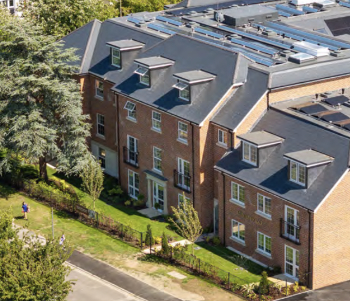
Unlocking homes, unlocking lives.
Preparing safety case reports for HRBs under the BSA
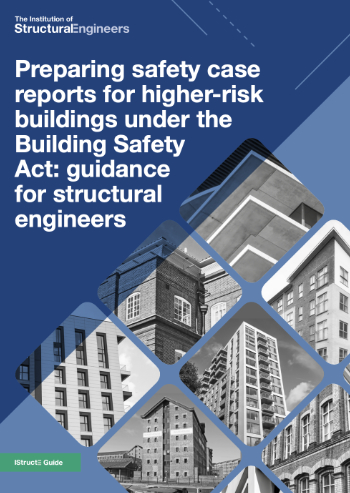
A new practical guide to preparing structural inputs for safety cases and safety case reports published by IStructE.
Male construction workers and prostate cancer

CIOB and Prostate Cancer UK encourage awareness of prostate cancer risks, and what to do about it.