






Standalone: The new way forward in non-domestic ventilation

Contents |
[edit] Introduction
Bars, restaurants and leisure venues are opening. Schools have welcomed back pupils. People are heading back into work. But what, in the building services and ventilation sector, will be our new normal? One thing is already clear - things are going to change.
[edit] New building regulations
We have building regulations revisions imminent that will change the way we design ventilation strategies. The ingress of external pollutants should be minimised. Ductwork should be rigid, not flexible and lengths kept to a minimum.
Approved Document Part F is looking for not just a commissioning report to show the system works adequately, but information in operation and maintenance. The interim uplift for Approved Document Part L is looking for a 27% reduction in carbon emissions per building against the existing standard.
Inevitably, protecting against COVID-19, even despite the vaccination programme, will figure in specifiers’ minds. With the best will in the world, the initial Government guidance to achieve adequate ventilation re COVID-19 of “opening windows” is not practical nor realistic as a long-term strategy alongside the global drive to cut carbon emissions and improve indoor air quality (IAQ).
[edit] System evolution
Whereas on the face of it, the industry is facing a huge amount of change, the wherewithal to deliver is already widely available and in use. Legislation is just confirming what the quality manufacturers and engineers already implement. It all combines to, I believe, an increasing use of standalone ventilation and heat recovery systems, especially those that minimise energy usage.
The latest evolution has been a hybrid-dynamic optimisation of natural ventilation, fan boosted mechanically when required. Ahead of the changes to building regulations, standalone versions have already been developed. Are these the way forward to meet our requirements?
Some hybrid systems, such as units designed to meet current regulatory guidance (eg. BB101 for schools), are standalone single-zone items, which obviates the need for ductwork, either to external or internal areas. No internal penetrations are required either, to move the air through the building, as each unit serves a dedicated zone, whether façade- or ceiling-mounted. This reduces major cost and labour in ductwork, fire dampers and silencers.
The principle therefore already overcomes the potential obstacles when the revised Approved Document F comes into force. They ventilate just the one space, preventing transfer of particulates from one zone to another and thereby minimise risk of internal cross contamination. Some already deliver flow rates compliant with latest COVID-19 guidance (i.e. to achieve a notional carbon dioxide (CO2) below 1000ppm.
CO2 is currently the metric used to check the air is ‘fresh’ within a zone. Links have been established that higher CO2 levels reflect higher COVID-19 risk.
[edit] Modular design
Within modular design products, these can be provided alongside a “mix and match” option of additions. These can be added to meet the specific use and requirements of the buildings to be ventilated.
Some options include:
- Filter modules to address fine airborne particles and maintain the IAQ within required limits.
- Connection modules to address site-specific installation limitations to allow single-sided operation.
- Heating coils that can remove the need for ancillary supplementary heating such as radiators.
- Acoustic attenuation to modulate noise below 30dBA.
- Control unit to enable easy management of the IAQ and temperature to facilitate any over ride as required. This provides capable boost and purge ventilation and night time cooling.
[edit] Get it right
The amount of change, not just in regulations, but how we use our non-domestic buildings in the future, is vast. Specifiers and designers should use the expertise of product manufacturers to their advantage. It is wise to tap this knowledge bank to ensure delivery of the best, most compliant solution for the project.
This article originally appeared on the BSRIA Blog. It was written by BSRIA member Roy Jones, Technical Director at Gilberts (Blackpool) Ltd. and published on 5 October 2021.
--BSRIA
[edit] Related articles on Designing Buildings
- Air tightness.
- Approved documents.
- Approved Document F.
- Approved document L.
- Back to the workplace: are you prepared?
- BSRIA articles on Designing Buildings Wiki.
- Building Regulations.
- Building ventilation and COVID-19 transmission risk.
- IAQ developments accelerated by COVID-19.
- Indoor air quality.
- Single-sided ventilation.
- Ventilation.
- Ventilation and control of COVID-19 transmission.
Featured articles and news
Costs and insolvencies mount for SMEs, despite growth

Construction sector under insolvency and wage bill pressure in part linked to National Insurance, says report.
The place for vitrified clay pipes in modern infrastructure
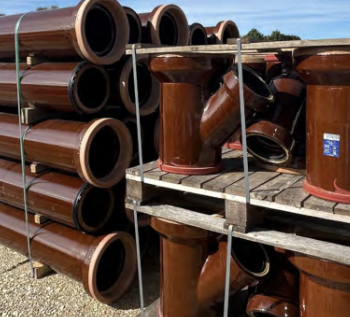
Why vitrified clay pipes are reclaiming their role in built projects.

Research by construction PR consultancy LMC published.
Roles and responsibilities of domestic clients
ACA Safety in Construction guide for domestic clients.
Fire door compliance in UK commercial buildings

Architect and manufacturer gives their low down.
Plumbing and heating for sustainability in new properties
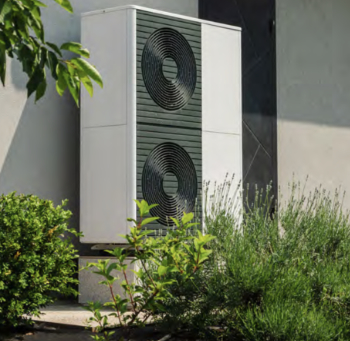
Technical Engineer runs through changes in regulations, innovations in materials, and product systems.
Awareness of the Carbon Border Adjustment Mechanism
What CBAM is and what to do about it.
The new towns and strategic environmental assessments
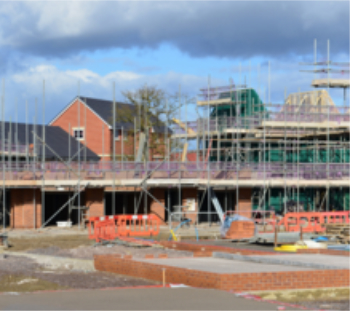
12 locations of the New Towns Taskforce reduced to 7 within the new towns draft programme and open consultation.
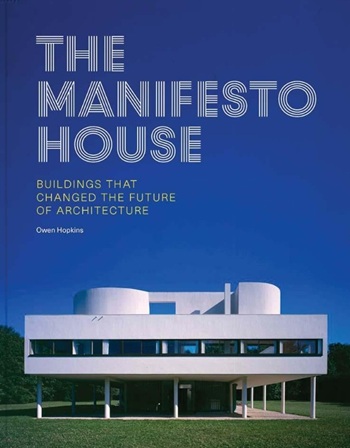
Buildings that changed the future of architecture. Book review.
The Sustainability Pathfinder© Handbook
Built environment agency launches free Pathfinder© tool to help businesses progress sustainability strategies.
Government outcome to the late payment consultation, ECA reacts.
IHBC 2025 Gus Astley Student Award winners

Work on the role of hewing in UK historic conservation a win for Jack Parker of Oxford Brookes University.
Future Homes Building Standards and plug-in solar
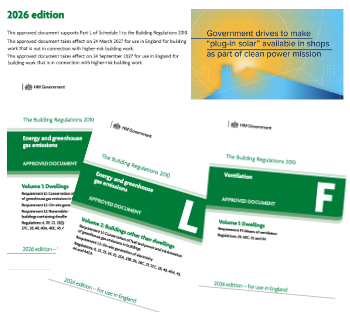
Parts F and L amendments, the availability of solar panels and industry responses.
How later living housing can help solve the housing crisis

Unlocking homes, unlocking lives.
Preparing safety case reports for HRBs under the BSA
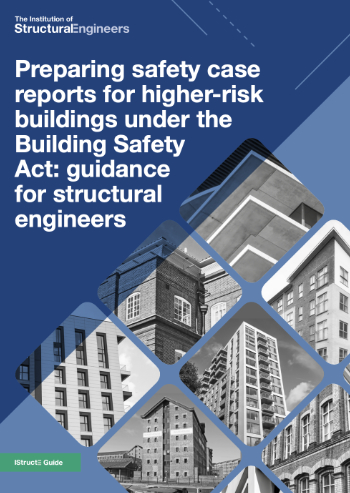
A new practical guide to preparing structural inputs for safety cases and safety case reports published by IStructE.
Male construction workers and prostate cancer

CIOB and Prostate Cancer UK encourage awareness of prostate cancer risks, and what to do about it.