





Safety glass

The term safety glass refers to a range of glass types that have been strengthened or reinforced to make them less susceptible to breakage or shattering and to make them safer when they are broken. Safety glass should not splinter into large shards when broken.
Types of safety glass include:
- Toughened glass which has been tempered. When smashed it shatters into small, rounded pieces. Tempered glass is annealed glass that has been retreated in a heating and rapid cooling process to make it harder and stronger. As a result, it is four times stronger than annealed glass but also more expensive. For more information see: Tempered glass.
- Laminated glass. Comprises plastic interlayers sandwiched by sheets of glass. When struck, it may crack, but the glass is held in place by the plastic.
- Reinforced glass such as wired glass. Glass reinforced with a wire mesh. When struck, the glass cracks but does not shatter. It can also be fire resistant.
In buildings, safety glass may be used to withstand objects that might impact the glass, or to remain safe if it is broken when impacted. It is typically used for large glazed areas and wherever glass is required in a position that makes it vulnerable to being struck by objects or people, and where the result could be serious injury or damage. A typical application is low-level glass which could be impacted by children, but also glazed doors and shower screens, glass balustrades, glass walls etc.
Part N of the Approved Documents to the Building Regulations deals with the requirements for safety glass. It requires safety glass to satisfy one of the following conditions:
- Where people moving in or about the building are likely to come into contact or impact the glass.
- If broken on impact, the glass should break in a way which is unlikely to cause injury.
- Resist impact without breaking.
- Be shielded or protected from impact.
In non-domestic applications, where glazing is transparent, it should incorporate features e.g markings, transfers etc, which make it apparent to people who are likely to impact it when moving in or about the building (manifestation).
See also: Security glazing.
[edit] Related articles on Designing Buildings Wiki
Featured articles and news
A safe energy transition – ECA launches a new Charter
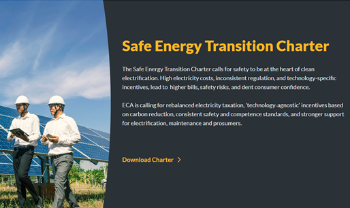
Practical policy actions to speed up low carbon adoption while maintaining installation safety and competency.
Frank Duffy: Researcher and Practitioner

Reflections on achievements and relevance to the wider research and practice communities.
The 2026 Compliance Landscape: Fire doors

Why 'Business as Usual' is a Liability.
Cutting construction carbon footprint by caring for soil

Is construction neglecting one of the planet’s most powerful carbon stores and one of our greatest natural climate allies.
ARCHITECTURE: How's it progressing?
Archiblogger posing questions of a historical and contextual nature.
The roofscape of Hampstead Garden Suburb

Residents, architects and roofers need to understand detailing.
Homes, landlords. tenants and the new housing standards
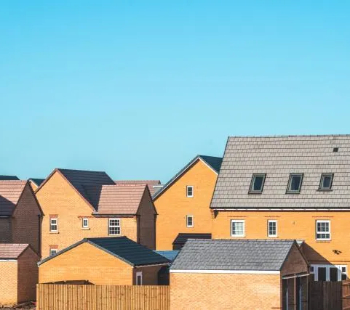
What will it all mean?
The Architectural Technology podcast: Where it's AT

Catch-up on the latest episodes.
Edmundson Apprentice of the Year award 2026

Entries now open for this Electrical Contractors' Association award.
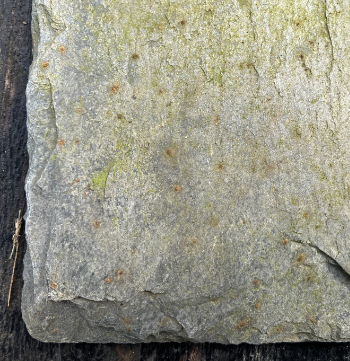
Traditional blue-grey slate from one of the oldest and largest UK slate quarries down in Cornwall.
There are plenty of sources with the potential to be redeveloped.
Change of use legislation breaths new life into buildings

A run down on Class MA of the General Permitted Development Order.
Solar generation in the historic environment
Success requires understanding each site in detail.
Level 6 Design, Construction and Management BSc

CIOB launches first-ever degree programme to develop the next generation of construction leaders.

Open for business as of April, with its 2026 prospectus and new pipeline of housing schemes.
The operational value of workforce health

Keeping projects moving. Incorporating unplanned absence and the importance of health, in operations.