





Non-ferrous metals
The construction industry relies on a variety of materials to ensure durability, efficiency, and sustainability in its projects. Among these, non-ferrous metals play a crucial role due to their unique properties and advantages over ferrous metals. These materials, which do not contain iron, offer benefits such as corrosion resistance, lightweight composition, high conductivity, and aesthetic appeal, making them essential in both modern and traditional construction applications.
Aluminium is one of the most widely used non-ferrous metals in the UK construction sector. Known for its lightweight yet strong characteristics, it is commonly employed in window frames, cladding, roofing systems, and curtain walls. Its resistance to corrosion makes it particularly valuable in environments exposed to harsh weather conditions. Furthermore, aluminium’s excellent recyclability aligns with a growing focus on sustainable construction practices, allowing for reduced environmental impact without compromising structural integrity.
Copper is another key non-ferrous metal widely used in UK construction. Its high conductivity makes it indispensable for electrical wiring, plumbing, and heating systems. Copper’s natural antimicrobial properties also contribute to its use in water supply systems, reducing bacterial growth and ensuring safe drinking water. Over time, copper develops a distinctive patina, which not only enhances the aesthetic appeal of buildings when used as a cladding material but also provides additional protection against the elements.
Brass, an alloy of copper and zinc, is often selected for its durability and decorative properties. Frequently found in fixtures, fittings, and architectural detailing, brass adds a touch of sophistication while offering strong resistance to corrosion. Its use in locks, handles, and balustrades ensures both functionality and longevity, making it a preferred choice for high-end developments and heritage restorations.
Lead remains an important material in the construction industry, particularly in roofing, flashing, and weatherproofing applications. Its flexibility and malleability allow it to form secure seals around joints and structures, preventing water ingress and providing long-lasting protection. Despite concerns over its environmental and health impacts, lead is still widely used in conservation projects, where maintaining historical authenticity is a priority. Advances in safety regulations and alternative materials have helped mitigate risks while preserving its advantages in specialist applications.
Zinc has gained increasing popularity in UK construction due to its self-healing properties and minimal maintenance requirements. It is particularly favoured for roofing and cladding, where its ability to form a protective patina ensures long-term durability. Zinc’s sustainability credentials further enhance its appeal, as it is both highly recyclable and energy-efficient in production. The growing demand for environmentally responsible building materials has positioned zinc as a leading choice for architects and developers seeking both performance and ecological benefits.
The use of non-ferrous metals in UK construction continues to evolve as technology and sustainability concerns shape the industry. These materials offer unique advantages that contribute to the longevity, safety, and aesthetic quality of buildings. As environmental regulations and innovation drive the demand for recyclable and energy-efficient materials, non-ferrous metals are likely to play an even greater role in shaping the future of construction in the UK.
See also: Ferrous.
[edit] Related articles on Designing Buildings
Featured articles
Check out some of the best features and news from Designing Buildings as well as key stories from around the web.

Your views needed - a strategy for the professions, trades and occupations.

Confronting competency, codes, capacity and costs.

The hidden risk in modern construction supply chains.
Construction Management, 10 June

24 months to 14: CITB launches accelerated apprenticeships.
Bridging the gap between clients and contractors

Concerns remain around contractor quality, capability, and delivery.
Construction Management, 10 June.

Heat pumps beat boilers in new home tests.
Building Safety Act implementation in Wales

CIAT to host industry panel on 26 June.
New and updated CLC building safety guidance.
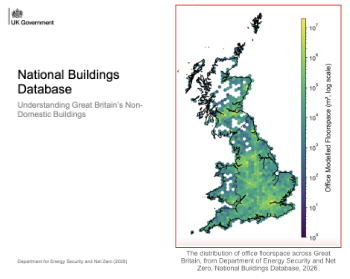
New UK National Buildings Database.
Building Safety Wiki Interviews

Chief executive of the British Woodworking Federation.
Planning condition discharge in England and Wales

A brief explanation from a building compliance expert, with further links.