





Load-bearing wall
A load-bearing wall (sometimes referred to as a 'bearing wall'), is a wall that supports vertical load in addition to its own weight and is an active structural element of a building. Load-bearing walls typically provide separation between the internal spaces of a building and transfer loads from other parts of the structure to the foundations.
This is as opposed to a partition wall, which provides separation between spaces, but is not load-bearing. See partition for more information.
The use of load-bearing walls date back to the earliest forms of construction. Gothic architecture introduced the flying buttress which allowed much larger interior spaces to be created by transferring the majority of the weight to the buttresses rather than the load-bearing walls. The development of high-rise buildings and particularly skyscrapers, which utilised a skeleton frame construction, removed the limitations placed on building design by load-bearing walls.
The loads that are usually supported by a load-bearing wall include those from the roof, any wall that sits directly above it, and floors, which can sometimes be built into or sit on top of an internal wall.
Load-bearing walls are commonly constructed using concrete, blockwork and/or brick. The thickness of the load-bearing wall is gauged according to the building type, the number of floors requiring support, the materials used to construct the wall, and any other imposed loads.
[edit] Related articles on Designing Buildings
- Bearing capacity.
- Building fabric.
- Curtain wall systems.
- Dead loads.
- Exterior wall.
- Floor loading.
- Flying buttress.
- Live loads.
- Load bearing.
- Loadbearing capacity.
- Partition wall.
- Party wall.
- Shear wall.
- Sleeper wall.
- Supported wall.
- Suspended timber floor.
- Types of structural load.
- Wall types.
- What are walls made of?
Featured articles
Check out some of the best features and news from Designing Buildings as well as key stories from around the web.
Bridging the gap between clients and contractors

Concerns remain around contractor quality, capability, and delivery.
Construction Management, 10 June.
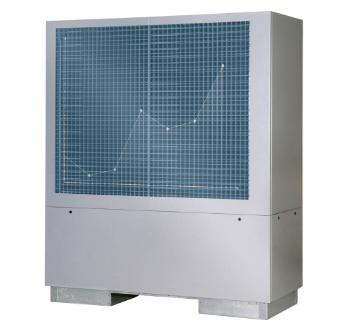
Heat pumps beat boilers in new home tests.
Building Safety Act implementation in Wales

CIAT to host industry panel on 26 June.

New and updated CLC building safety guidance.
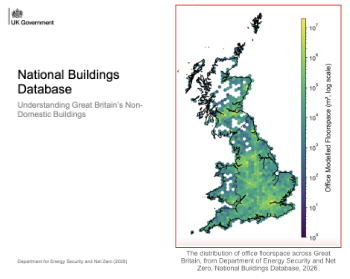
New UK National Buildings Database.
Building Safety Wiki Interviews

Chief executive of the British Woodworking Federation.
Planning condition discharge in England and Wales

A brief explanation from a building compliance expert, with further links.
Overheating guidance and tools for building designers

Guidance for dealing with element of building fabric control that have increasing importance.
Shading for housing, a design guide

From the Good Homes Alliance and British Blind and Shutter Association.
UK Standard Skills Classification (SSC)

A shared framework for describing skills needs.
Social media ban consultation comes to close

CIOB urges UK Government to consider social media’s role in careers guidance in ban debate.