





Façade
In its broadest sense, the term ‘façade’ can refer to any predominantly vertical face of a building envelope, such as an external wall. Consequently, a building may have more than one façade, such as the north façade, south façade and so on. Terraced buildings may only have two façades, a front façade and a rear façade.
Sometimes the term ‘façade’ is used to refer more specifically to external faces of buildings that have particular architectural emphasis, such as an imposing design, decoration, the main entrance to the building and so on. This will typically be the front of the building, facing onto a street or other public open space, but it may also be other faces depending on their architectural treatment and importance.
The word ‘façade’ is thought to be derived from the Latin 'facia', via the French ‘façade’ meaning ‘face’ or ‘frontage’. It was first used in English to refer to the front, or face of a building, but it has subsequently taken on an additional meaning in relation to concealing something behind a deceptive appearance, such as a person hiding their true feelings.
Considerations that might influence the design of a façade include:
- Site, topography and climate.
- The relationship to the street and access routes.
- The requirement for entrances, windows and other openings.
- Stylistic preferences.
- Requirements for climatic modification.
- The need for security and privacy.
- Available skills and materials.
- Regulations.
- Context and planning restrictions.
[edit] Related articles on Designing Buildings
- ASTM International architectural model program standard E3223.
- Barrier wall system.
- BCIS elements.
- BRE Building Elements series (AP 243).
- Building fabric.
- Coping and capping
- Doors.
- Dynamic façade.
- Elements of buildings.
- Elements of structure in buildings.
- Elevation.
- Exterior wall.
- Facade access equipment.
- Facade cleaning.
- Facade maintenance.
- Façade Retention.
- Floor.
- Living façade.
- Louvre specifications.
- Roof.
- The building as climate modifier.
- Twickenham Studio - London's world-renowned film studio transformed.
- Types of wall.
- What are walls made of?
- Windows.
Featured articles
Check out some of the best features and news from Designing Buildings as well as key stories from around the web.
Stunning images from around the world

Shortlist for CIOB’s Art of Building photography competition.

Guidance for conversion of traditional pre-1919 stone buildings.
Industrial heritage in the Ruhr

A marked difference to the fate of industrial landscapes in the UK.
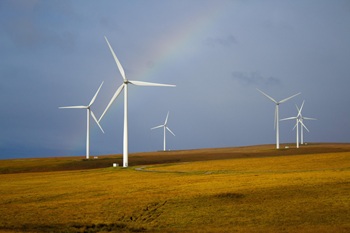
Communities will be able to build their own clean energy.
Why diversity and inclusion matters for SMEs

CIOB’s D&I Charter shows how practical changes can support long-term growth.
Cut electricity bills to power growth

Coalition sends joint letter to the Chancellor.

Gasholders: a history in pictures. Book review.
Recognition, influence and growth

SocEnv identifies three strategic pillars in new strategy to 2045.
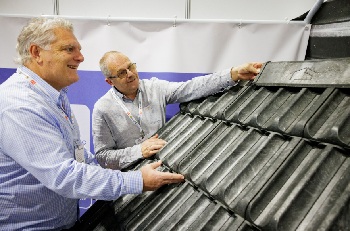
Discover the future of roofing, cladding and insulation.

New guidance for professional practice, cultural change and regulation in social housing.
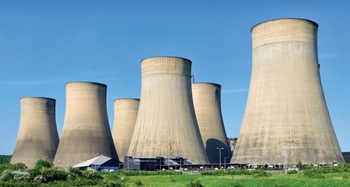
The heritage of nuclear and conventional power stations.
New measures to stop people being ripped off

Government to protect families from cowboy builders and aggressive bailiffs.