





Extruded polystyrene
Extruded polystyrene (or XPS) foam insulation is very similar to Explanded polystyrene (EPS) but is in someways a higher quality denser product, so more hard wearing and water-resistant with equally or better insulating qualities. Often used in applications where moisture resistance and some strength is important such as below ground or below slabs.
XPS is made by heating polystyrene resin beads or granules to a high temperature in an extruder, blowing agents are added, along with colouring agents to create the denser closed cellular structure. Common blowing agents used to produce XPS have been hydrofluorocarbons; HFC-134a and 142b.
However much of the industry has moved away from the use of hydrofluorocarbons (HFCs). HFC-134a by example has a GWP of 1,430, meaning it traps 1,430 times as much heat as carbon dioxide does over 100 years. Other options also exist such as blends which contain hydrofluoroolefins (HFOs).
In the 1980s Chlorofluorocarbons (CFCs) which had both high ozone depletion (OD) and Global Warming Potential (GWP), were replaced by Hydrochlorofluorocarbons (HCFCs) which also deplete the ozone layer and had high GWP but to a lesser degree, these were then replaced by hydrofluorocarbons (HFCs) which had minimal effect on the ozone layer but are potent greenhouse gases, in turn and in some cases these have been replaced by Hydrochlorofluoroolefin (HFOs), sometimes used in combination with Pentane. Whilst Hydrochlorofluoroolefin is generally accepted as have far reduce environmentally damaging potential. The main variations used are HFO-1234yf, HFO-1234ze, and HCFO-1233zd. and whilst there are some criticisms regarding some of the variants it is currently considered the better alternative.
Importantly although polystyrene can be classified as either a thermoset plastic or a thermoplastic, XPS is classified as thermoplastics, meaning they can in theory be melted down and recycled so long as any site contamination and collection issues are overcome.
Another variation on cellular, blown or foam polystyrene which is extensively used in construction is Graphite Polystyrene (GPS). GPS has a polymer matrix which contains graphite, the high-purity graphite particles are introduced in to the raw material polystyrene beads, which are heated at high temperature and then treated with steam to create the cellular dense structure, in a similar way to standard polystyrene. The inclusion of graphite particles helps to increase the foam's resistance to the flow of heat by reflecting heat energy to a greater extent than standard polystyrene, also containing small pockets of air as with other cellular foam boards.
[edit] Related articles on Designing Buildings
- Acrylic.
- An in-depth look at Environmental Product Declarations EPDs.
- Celotex RS5000 PIR insulation.
- Composites.
- ETFE.
- Fire behaviour of expanded polystyrene.
- Forever Chemicals.
- Glass reinforced plastic.
- Grenfell Tower fire.
- Insulation.
- LPCB certification and Kingspan.
- Loss Prevention Standard.
- Packaging.
- Plastic.
- Polyethylene.
- Polyurethane (PUR).
- Polystyrene.
- Persistent organic pollutants (POP)
- Phenolic foam insulation.
- Polyurethane spray foam in structurally insulated panels and composite structures..
- Sandwich panel.
- Specifying insulation for inverted roofs.
- Thermal insulation for buildings.
- Transparent insulation materials.
- Types of insulation.
- Types of plastic in construction.
- What do design professionals need to know about U-value calculation conventions?
Featured articles
Check out some of the best features and news from Designing Buildings as well as key stories from around the web.
Bridging the gap between clients and contractors

Concerns remain around contractor quality, capability, and delivery.
Construction Management, 10 June.
Heat pumps beat boilers in new home tests.
Building Safety Act implementation in Wales

CIAT to host industry panel on 26 June.

New and updated CLC building safety guidance.
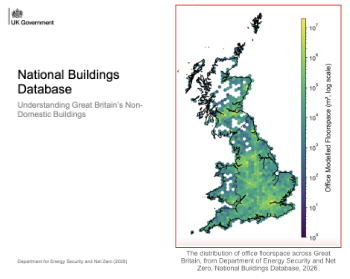
New UK National Buildings Database.
Building Safety Wiki Interviews

Chief executive of the British Woodworking Federation.
Planning condition discharge in England and Wales

A brief explanation from a building compliance expert, with further links.
Overheating guidance and tools for building designers

Guidance for dealing with element of building fabric control that have increasing importance.
Shading for housing, a design guide

From the Good Homes Alliance and British Blind and Shutter Association.
UK Standard Skills Classification (SSC)

A shared framework for describing skills needs.
Social media ban consultation comes to close

CIOB urges UK Government to consider social media’s role in careers guidance in ban debate.