






Exterior shutters
 Architects and interior designers have sometimes preferred interior dressings to shade rooms from the sun, however, another option is exterior screens or shutters. These systems are commonplace in mainland Europe, and the UK is now turning toward them due to EU legislation and the ecological benefits, plus the recognition that exterior shading can contribute to energy savings.
Exterior shading systems have often been overlooked because of the initial higher cost, the aesthetic appearance may not fit well with older design principles, or unfamiliarity by the architects and designers with alternative solutions. However, if function were the leading criterion for making the decision about how to control the harmful effects of the sun, exterior shading systems might be more common.
The advantage of an exterior shutters or screens is that they reflect and absorbs solar energy outside the house… before it hits the windows. They can absorb, reflect and re-emit up to 95% of the total solar radiance while only 5% is admitted into the interior space. To help operate exterior shutters or screens, fully-motorised sliding and folding track solutions are available, as well as motorised louvre solutions, all fully-programmable.
The benefit of motorised solutions is that the user can control the entry of heat and light at the touch of a button, especially practical for exterior solutions where weather conditions may be poor, or for fixed glass installations where access might be an issue. Additionally, it is possible to programme shutters/louvres to open at pre-determined times of the day – a benefit for both heat/light control and security.
It is possible to design bespoke screens/shutters that will allow maximum heat gain in the winter months and reduce internal temperatures during the summer months. Some structures with large expanses of glass have reported lowering air conditioning cost by over 50%.
--GSSLTD
[edit] Related articles
- BREEAM Visual comfort Glare control.
- Brise soleil.
- Control of solar shading IP 4 17.
- Daylight lighting systems.
- Glare.
- Retrofitting solar shading.
- Shutter.
- Solar gain.
- Solar shading.
- Solar shading of buildings BR 364.
- Solar thermal panels.
- The daylight factor.
- Thermal comfort.
- Urban heat island effect.
- Wind Resistance for External Blinds.
Featured articles and news

ECA, JIB and JTL back Fabian Society call to invest in skills for a stronger built environment workforce.

Women's Contributions to the Built Environment.
Calls for the delayed Circular Economy Strategy

Over 50 leading businesses, trade associations and professional bodies, including CIAT, and UKGBC sign open letter.
The future workforce: culture change and skill

Under the spotlight at UK Construction Week London.
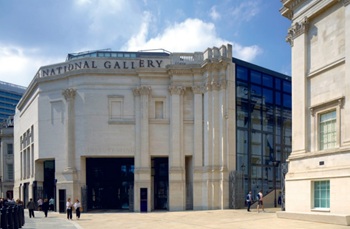
A landmark moment for postmodern heritage.
A safe energy transition – ECA launches a new Charter

Practical policy actions to speed up low carbon adoption while maintaining installation safety and competency.
Frank Duffy: Researcher and Practitioner

Reflections on achievements and relevance to the wider research and practice communities.
The 2026 Compliance Landscape: Fire doors

Why 'Business as Usual' is a Liability.
Cutting construction carbon footprint by caring for soil

Is construction neglecting one of the planet’s most powerful carbon stores and one of our greatest natural climate allies.
ARCHITECTURE: How's it progressing?
Archiblogger posing questions of a historical and contextual nature.
The roofscape of Hampstead Garden Suburb
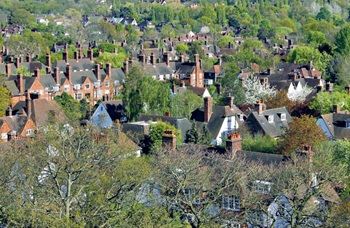
Residents, architects and roofers need to understand detailing.
Homes, landlords. tenants and the new housing standards
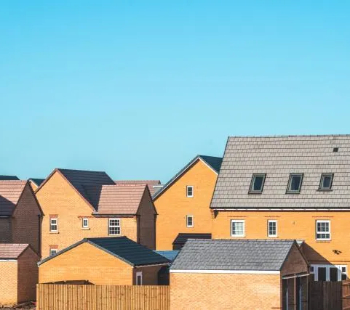
What will it all mean?
The Architectural Technology podcast: Where it's AT

Catch-up on the latest episodes.
Edmundson Apprentice of the Year award 2026

Entries now open for this Electrical Contractors' Association award.
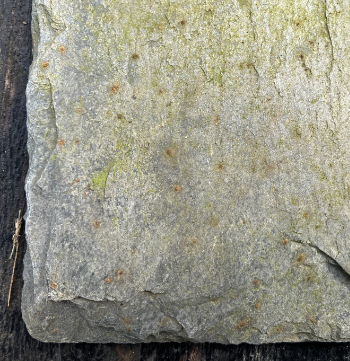
Traditional blue-grey slate from one of the oldest and largest UK slate quarries down in Cornwall.
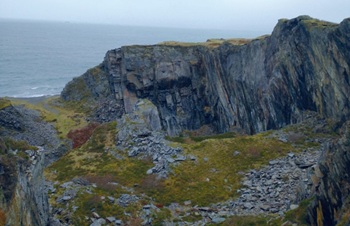
There are plenty of sources with the potential to be redeveloped.
Change of use legislation breaths new life into buildings

A run down on Class MA of the General Permitted Development Order.
Solar generation in the historic environment
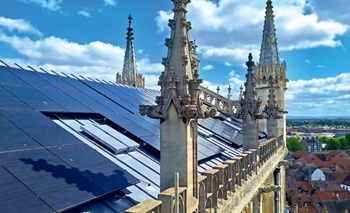
Success requires understanding each site in detail.