






Devolution and development
This article was originally published by ICE on 14 Oct 2016. It was written by Adrian Coy, ICE Vice President.

Contents |
[edit] Introduction
As the English mayoral elections in May 2017 and further rounds of regional devolution deals are announced, it is worthwhile considering the importance of developing regional strategies to ensure infrastructure remains at the heart of the emerging new political landscapes.
Devolution presents development opportunities at different levels to benefit the wider community. However, understanding where ultimate decision-making over the implementation and delivery of infrastructure policy should be located is imperative.
It is as important as establishing a system of identifying infrastructure need at appropriate political and economic levels.
[edit] Local and regional
At a local level, development opportunities should be planned as they are currently by local authorities and the new combined authorities, with the business input of local enterprise partnerships (LEPs). Here, decision making should be around what directly affects the local communities such bodies represent.
At a regional level, the emerging concepts such as the Northern Powerhouse and the Midlands Engine have the potential to develop a regional industry strategy that links local development opportunities into a more cohesive sub-national plan.
For example, the new Midlands Connect partnership should be given the opportunity to not only develop a strategy for transport infrastructure that connects cities and hubs, but recognises the interconnectivity of all forms of infrastructure.
New housing and industry requires energy, water, waste management and digital infrastructure as well as transport, all of which must be protected from flood risk.
We should learn from Scotland, Wales and Northern Ireland where holistic and long-term infrastructure plans are more advanced than anything we have in English regions.
[edit] Strategies and pipelines
As set out in ICE’s State of the Nation: Devolution report, developing long-term regional infrastructure strategies should bring together the infrastructure developers and providers to meet the growth needs of industry, developers and local communities; and should address resilience by encouraging collaboration.
However, realising growth through the infrastructure agenda of devolution will require improved skills provision: there is little point in planning new railways or power stations if there is not a trained workforce to build them.
Regional infrastructure pipelines identifying specific upcoming projects and providing foresight on skills and education requirements should be put in place alongside the regional infrastructure strategies.
Long term pipelines would provide regional contractors and their supply chain with increased certainty of workload so they can plan for growth and recruit and train the workforce of tomorrow. The pipelines would equally provide training providers with confidence to develop courses and resources.
These could be similar to the regularly updated National Infrastructure Pipeline, and combined authority level reports such as the Greater Manchester Construction Sector Pipeline Analysis for the north-west.
Decisions must be based on an understanding of local needs. Integration of services is easier to deliver on a local scale and securing vital public support for projects is more achievable when it is the same community that benefits.
Devolution of infrastructure can therefore help not just the economy’s recovery but also improve quality of life and the environment.
--The Institution of Civil Engineers
[edit] Related articles on Designing Buildings
- Articles by ICE on Designing Buildings Wiki.
- City deals.
- Development corporation.
- Devolution.
- Enterprise zones.
- Localism Act.
- Midlands Engine Strategy.
- National Infrastructure Commission NIC.
- National infrastructure plan.
- New Town Development Corporation.
- Northern Powerhouse transport blueprint.
- Overcoming the challenges of Brexit.
- State of the Nation: Devolution.
- The town's time has come.
Featured articles and news
Costs and insolvencies mount for SMEs, despite growth

Construction sector under insolvency and wage bill pressure in part linked to National Insurance, says report.
The place for vitrified clay pipes in modern infrastructure
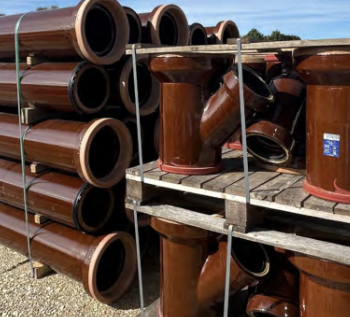
Why vitrified clay pipes are reclaiming their role in built projects.

Research by construction PR consultancy LMC published.
Roles and responsibilities of domestic clients

ACA Safety in Construction guide for domestic clients.
Fire door compliance in UK commercial buildings

Architect and manufacturer gives their low down.
Plumbing and heating for sustainability in new properties

Technical Engineer runs through changes in regulations, innovations in materials, and product systems.
Awareness of the Carbon Border Adjustment Mechanism
What CBAM is and what to do about it.
The new towns and strategic environmental assessments
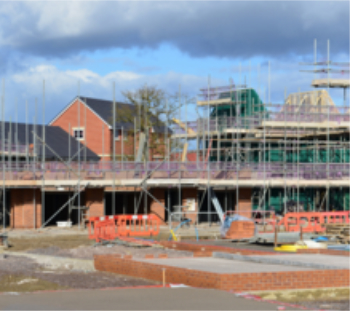
12 locations of the New Towns Taskforce reduced to 7 within the new towns draft programme and open consultation.

Buildings that changed the future of architecture. Book review.
The Sustainability Pathfinder© Handbook
Built environment agency launches free Pathfinder© tool to help businesses progress sustainability strategies.

Government outcome to the late payment consultation, ECA reacts.
IHBC 2025 Gus Astley Student Award winners

Work on the role of hewing in UK historic conservation a win for Jack Parker of Oxford Brookes University.
Future Homes Building Standards and plug-in solar
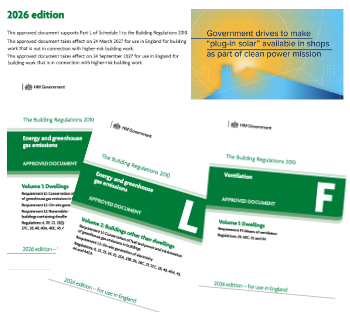
Parts F and L amendments, the availability of solar panels and industry responses.
How later living housing can help solve the housing crisis

Unlocking homes, unlocking lives.
Preparing safety case reports for HRBs under the BSA

A new practical guide to preparing structural inputs for safety cases and safety case reports published by IStructE.
Male construction workers and prostate cancer

CIOB and Prostate Cancer UK encourage awareness of prostate cancer risks, and what to do about it.