





Design proposals
Contents |
[edit] Introduction
Design proposals typically comprise drawings, reports, models, statements and so on that have been prepared to describe a possible design solution to a specific need.
Construction professionals who may be asked for design proposals include:
Design proposals can be drawn up by any of the above acting either as sole designers or in design teams, which may include input from other professional, eg, cost consultants, specialist designers etc.
A client may commission designers to draw-up proposals for:
- A new building.
- Building refurbishment.
- Building alteration.
- Urban design.
- Landscape design.
- Interior design
- Product design
- Infrastructure.
- Masterplanning.
The aim of the design proposal is to gain the approval of clients, or in the case of architectural/design competitions, win approval from the judges. The proposals must give a comprehensive description of what the designer intends in a way that can be understood by the client.
Planning applications for local authority approval and building regulations applications are also a form of design proposal.
[edit] Qualities of a design proposal
Design proposals will typically aim to:
- Satisfy the client’s criteria such as; energy efficiency, security, privacy, safety, comfort and so on.
- Be informative.
- Be aesthetically appealing.
- Be achievable within the proposed budget and time frame.
- Be buildable ie, feasible from practicable, technical, social, economic standpoints.
- Satisfy planning and other legal requirements.
[edit] Information gathering
Prior to drawing-up and submitting design proposals, designers may meet the client to gather more information about the brief and to ask questions the answers to which may not be readily apparent. This may be followed by the designer conducting their own research to gather more information on the project and possibly about the client. This can be followed by a site visit which can be used to take photographs and measurements, establish site orientation, information about neighbouring properties and any other constraints that may impact the design.
For more information see: Design methodology.
[edit] Presentation formats
Traditionally, design proposals have been presented through drawings (plans, sections, elevations, photographs, sketches, perspectives and axonometrics), scale models and reports. However, the widespread use of computer software has introduced new formats, including computer renderings (2D and 3D), computer models, videos, as well as the more ‘traditional’ PowerPoint-style presentations.
Design proposals may go through a series of iterations, with client approval required at each stage before proceeding to the next level of detail. For more information see: Gateways
[edit] Related articles on Designing Buildings Wiki
- Architect.
- Architectural design.
- Comparison of work stages
- Concept.
- Concept architectural design.
- Concept design.
- Context.
- Design coordination.
- Design management.
- Design methodology.
- Design principles.
- Design team.
- Detailed design.
- Manual drafting techniques.
- Mood board.
- Truth to materials.
- What is design?
Featured articles
Check out some of the best features and news from Designing Buildings as well as key stories from around the web.
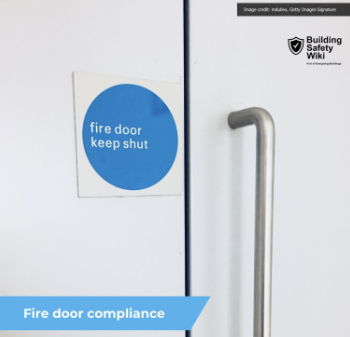
38% of Gen Zs feel safe when a fire door is wedged open.
Stunning images from around the world
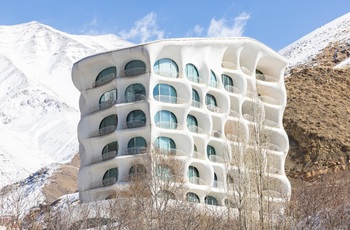
Shortlist for CIOB’s Art of Building photography competition.
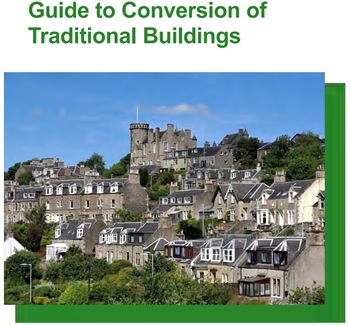
Guidance for conversion of traditional pre-1919 stone buildings.
Industrial heritage in the Ruhr
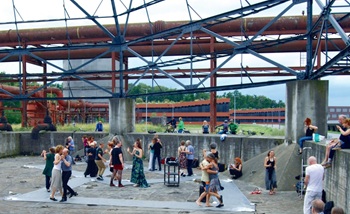
A marked difference to the fate of industrial landscapes in the UK.

Communities will be able to build their own clean energy.
Why diversity and inclusion matters for SMEs

CIOB’s D&I Charter shows how practical changes can support long-term growth.
Cut electricity bills to power growth

Coalition sends joint letter to the Chancellor.

Gasholders: a history in pictures. Book review.
Recognition, influence and growth

SocEnv identifies three strategic pillars in new strategy to 2045.
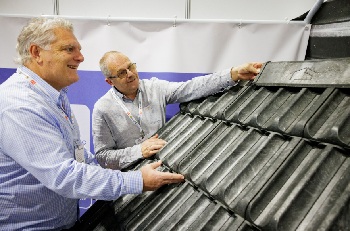
Discover the future of roofing, cladding and insulation.
New guidance for professional practice, cultural change and regulation in social housing.
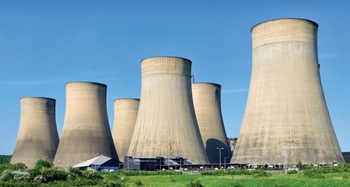
The heritage of nuclear and conventional power stations.