






City of London Corporation Heritage Building Retrofit Toolkit
[edit] Launched of the Heritage Buildings Retrofit Toolkit
On March 21, 2024, the City of London Corporation launched a Heritage Buildings Retrofit Toolkit, at an event at the Merchant Taylors’ Great Hall. ‘Retrofitting the City’ was co-organised by the City of London Corporation and Purcell (who supported the development of the toolkit) and included speakers from Historic England, as well as individuals involved in leading heritage retrofit schemes in the City, including the London Museum.
The toolkit seeks to empower owners of heritage buildings to initiate the adaptations necessary to reduce carbon emissions and build climate resilience, a key priority of the City Corporation’s Climate Action Strategy, as it progresses toward a net-zero Square Mile by 2040.
With more than 600 listed buildings, 28 conservation areas, 48 scheduled ancient monuments and four historic parks and gardens, the Square Mile’s heritage structures pose a significant retrofit challenge, given the diverse range of buildings and their specific planning and conservation considerations.
The open-access toolkit provides a nine-step methodology to enable building owners to confidently start the process of responsible retrofit, to build a business case and deliver the necessary adaptations, in a way that protects these important community assets.
Whilst this toolkit draws on the historic environment of the Square Mile, referencing structures that are most significant to the City’s unique character, it is equally relevant to towns and cities in the UK and around the world who are exploring how to adapt their historic buildings for a sustainable future.
Access the Heritage Building Retrofit Toolkit here: Heritage Building Retrofit Toolkit (cityoflondon.gov.uk)
[edit] Comments
Chairman of the City of London Corporation’s Planning and Transportation Committee, Shravan Joshi, said:
“It is vital we secure a sustainable future for our historic environment. Our ability to adapt our heritage buildings depends on developing a common understanding and promoting good practice of what can be achieved. This toolkit provides a structured approach to such collaboration.
“As the custodian of many heritage assets, the City Corporation itself is part of this journey and wants to share our own experiences and learn from others. This event is a further step along that journey, and we are committed to ensuring our policies and resources support others to act.”
Climate Action Policy Lead of the City of London Corporation, Alderman Alison Gowman, said:
“At the City Corporation we recognise that an important part of conserving our heritage buildings is ensuring they are fit for the future. This means making them as energy efficient as possible, reducing their carbon emissions and adapting them to changes to the climate. This toolkit provides a structured process for pursuing these actions, drawing on latest guidance and good practice.”
“Through our Climate Action Strategy, we have slashed the Corporation’s net carbon emissions by 66% since 2018 - putting us on track to hit our target to reach net zero in our own operations by 2027. We are now approaching the fourth year of our Strategy and will continue to have a heavy focus on buildings.”
[edit] Related articles on Designing Buildings
- Alterations to existing buildings.
- Conservation.
- Climate change.
- Climate change connections.
- Do the building regulations apply to works to existing buildings?
- Demolition.
- English Heritage.
- Heritage.
- Historic environment.
- IHBC articles.
- IHBC.
- Material amendment.
- Material change of use.
- Minor material amendment.
- Non material amendment.
- Change of use class.
- Planning permission.
- Permitted development.
- Renovation v refurbishment v retrofit.
- Sustainability.
- Typologies.
- Types of work to existing buildings.
Featured articles and news
Costs and insolvencies mount for SMEs, despite growth

Construction sector under insolvency and wage bill pressure in part linked to National Insurance, says report.
The place for vitrified clay pipes in modern infrastructure
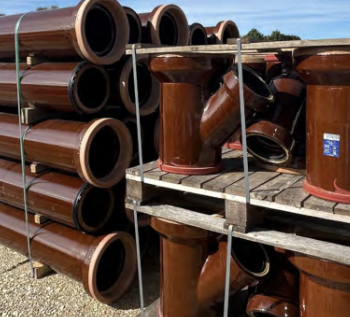
Why vitrified clay pipes are reclaiming their role in built projects.
Research by construction PR consultancy LMC published.
Roles and responsibilities of domestic clients
ACA Safety in Construction guide for domestic clients.
Fire door compliance in UK commercial buildings

Architect and manufacturer gives their low down.
Plumbing and heating for sustainability in new properties

Technical Engineer runs through changes in regulations, innovations in materials, and product systems.
Awareness of the Carbon Border Adjustment Mechanism
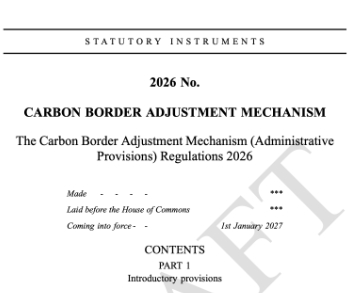
What CBAM is and what to do about it.
The new towns and strategic environmental assessments
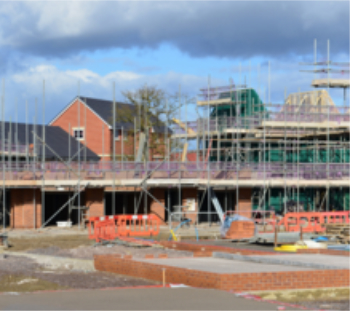
12 locations of the New Towns Taskforce reduced to 7 within the new towns draft programme and open consultation.
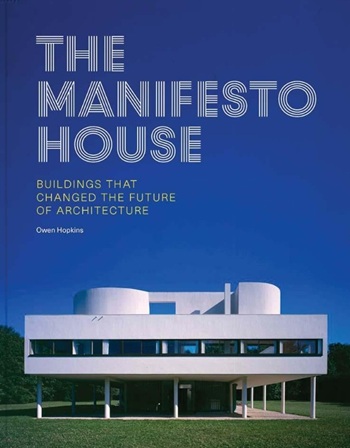
Buildings that changed the future of architecture. Book review.
The Sustainability Pathfinder© Handbook
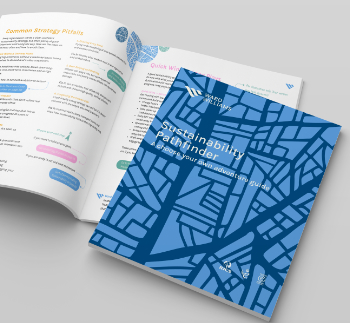
Built environment agency launches free Pathfinder© tool to help businesses progress sustainability strategies.
Government outcome to the late payment consultation, ECA reacts.
IHBC 2025 Gus Astley Student Award winners
Work on the role of hewing in UK historic conservation a win for Jack Parker of Oxford Brookes University.
Future Homes Building Standards and plug-in solar
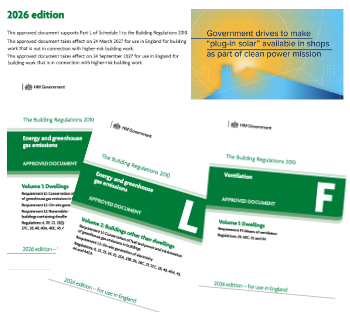
Parts F and L amendments, the availability of solar panels and industry responses.
How later living housing can help solve the housing crisis
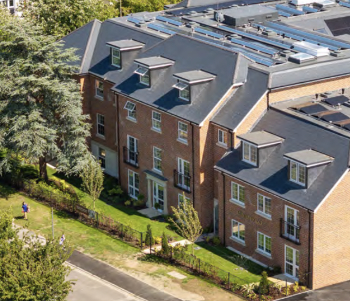
Unlocking homes, unlocking lives.
Preparing safety case reports for HRBs under the BSA
A new practical guide to preparing structural inputs for safety cases and safety case reports published by IStructE.
Male construction workers and prostate cancer
CIOB and Prostate Cancer UK encourage awareness of prostate cancer risks, and what to do about it.