





Calcium silicate brick
Calcium silicate, is used in the manufacture of a variety on materials such as calcium silicate board, pipe insulation and calcium silicate bricks, also known as sandlime bricks. In board materials it is often seen as a safe alternative to asbestos, although originally some calcium silicate boards contained asbestos fibres, today additives such as cellulose fibres are used instead along with small amounts of Portland cement and in some cases flyash.
Calcium silicate bricks are made primarily of readily available, naturally occurring materials and have some advantages in terms of the energy required to make them, compared to standard fired clay bricks. Silica sand, water and hydrated lime are left to cure to produce hydrated calcium silicate, formed in an autoclave at high pressure the resulting brick is durable and strong with densities between 1700-2200 kgm3 and strength of up to 10N/mm2.
These bricks are lightweight, and as such can be fragile at their edges, but have the advantage of good insulative qualities, of between around 1.0 to 1.5 W/mK when protected from moisture. The resistance to chemical damage of the calcium silicate brick is good and so it is less likely to suffer from surface deposits caused by efflorescence that may be found on clay brick or concrete.
Due to the nature of material and manufacture they can be used in high temperature environments without deformation or damage and are thus useful in fire protection strategies. Because the final product is homogenous and flat it can often require less mortar and is considered porous and hygroscopic, which means as such that breaths but is susceptible to drawing in moisture which in large quantities can dramatically reduce thermal performance. Though this also allows the material to be quite easily mechanically crushed and reformed into the similar types of brick products and coloured with pigments such as iron or chromium oxides or ochres to create red, green and yellow finishes.
[edit] Related articles on Designing Buildings
- Asbestos
- Blockwork.
- Brick.
- Brick bats and closures.
- Calcium carbide.
- Calcium carbonate.
- Calcium phosphate.
- Calcium silicate board.
- Cant bricks.
- Cavity wall.
- Common brick.
- Defects in brickwork.
- Engineering bricks.
- Flyash.
- How to lay bricks.
- Silcrete.
- Silica.
- Silicon.
- Testing bricks.
- The use of lime mortar in building conservation.
- Types of brick.
- Types of brick arches.
- Types of brick bonding.
- Types of concrete.
- Types of steel.
- Types of stone.
- Which way up should you lay a brick?
Featured articles
Check out some of the best features and news from Designing Buildings as well as key stories from around the web.
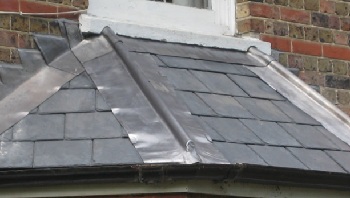
A quick introduction to its uses and risks.
Construction Management, 17 June

Government rolls out digital planning tool to all local authorities.

Your views needed - a strategy for the professions, trades and occupations.

Confronting competency, codes, capacity and costs.
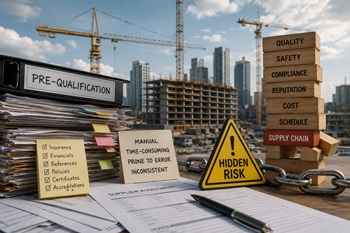
The hidden risk in modern construction supply chains.
Construction Management, 10 June

24 months to 14: CITB launches accelerated apprenticeships.
Bridging the gap between clients and contractors

Concerns remain around contractor quality, capability, and delivery.
Construction Management, 10 June.

Heat pumps beat boilers in new home tests.
Building Safety Act implementation in Wales

CIAT to host industry panel on 26 June.
New and updated CLC building safety guidance.
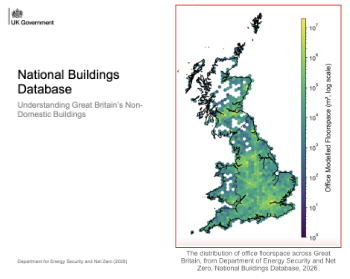
New UK National Buildings Database.