






Building ventilation and COVID-19 transmission risk

Contents |
[edit] Introduction
Recycle, refit, refurb, reuse and upcycle – often these are words seen around trendy topics like interiors, furniture and sustainability. Indeed, this has been a growing theme globally – reducing waste, making good of what we have got and applying some reimagination and ingenuity.
[edit] Safety indoors
Social distancing and mask wearing can only go so far in preventing transmission of COVID-19 indoors. They are not barriers to contaminated aerosols, which can build up in poorly ventilated buildings. Specialist building service engineers, Milieu, have brought together the latest research on COVID-19 transmission and share their expertise on how to use ventilation to reduce the risk of COVID transmission indoors.
It is generally agreed by the scientific and medical community that the main route of coronavirus transmission is by respiratory droplets (larger droplets and particles that are exhaled when people cough, sneeze, sing, talk or breathe), which are passed on through close contact with an infected individual. Transmission by these larger respiratory droplets is usually within six feet, hence the two metre social distancing rule.
It was discovered that COVID-19 can also be spread through exposure to virus-containing respiratory droplets that remain suspended in the air over longer distances. These smaller droplets are known as aerosols.
Outdoors, fresh air will dilute and disperse any virally charged particles; it is indoors where this mode of transmission puts us all at higher risk of contracting COVID-19. Therefore, unless clever ventilation systems are incorporated into buildings, transmission risk is even higher.
[edit] Healthier airflow
Aerosols tend to follow airflow. Opening windows and doors allows fresh air to enter indoor spaces, increases airflow and reduces the concentration of virally charged particles.
In rooms where this is not possible, alternate methods of ventilation such as air conditioning (AC) need to be used. However, AC systems that recycle air, without an adequate supply of fresh air, could be responsible for recirculating and spreading airborne viral particles.
In traditional AC systems, where units are placed on the wall, airflow is horizontal, potentially delivering infectious respiratory droplets into the pathways of others.
In an underfloor ventilation system installed by Milieu at Pennybank, Clerkenwell, the airflow is vertical, streaming the air up past occupants to be expelled through cleverly concealed vents. This not only reduces the concentration of any virally charged particles, but it also reduces mixing of air between people sharing a working space.
[edit] Ventilation effectiveness
Milieu has developed a Ventilation Effectiveness Toolkit (milieuconsult.com/ventilation-effectiveness-toolkit/) that assesses ventilation using computational modelling. This method analyses volume, occupancy, vocal activity and existing ventilation rates (natural and mechanical) of a building.
In response to experiences associated with COVID-19, we can take steps to reduce its transmission and reduce the infection rate of any future strains of SARs or other viruses, such as flu and the common cold, all of which impact our health and productivity. An effective way of doing this is by improving the ventilation of our buildings.
This article originally appeared under the headline, 'Reduce the risk of COVID transmission: ventilate your buildings' in the Architectural Technology Journal (at) issue 137 published by CIAT in spring 2021. It was written by Milieu Engineering Consultancy.
--CIAT
[edit] Related articles on Designing Buildings
- Back to the workplace: are you prepared?
- CIAT articles.
- Coronavirus and the construction industry.
- Designing HVAC to resist harmful microorganisms.
- Growing focus on IAQ challenges for specifiers and HVAC manufacturers.
- High efficiency particulate arrestance HEPA.
- IAQ developments accelerated by COVID-19.
- Minimum efficiency reporting value MERV.
- Standalone: The new way forward in non-domestic ventilation.
- Ventilation and control of COVID-19 transmission.
Featured articles and news
Costs and insolvencies mount for SMEs, despite growth

Construction sector under insolvency and wage bill pressure in part linked to National Insurance, says report.
The place for vitrified clay pipes in modern infrastructure
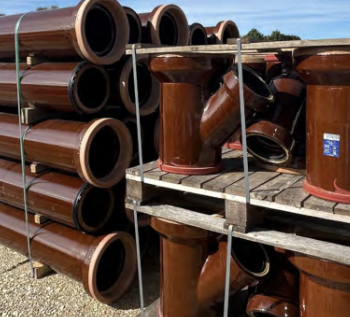
Why vitrified clay pipes are reclaiming their role in built projects.

Research by construction PR consultancy LMC published.
Roles and responsibilities of domestic clients

ACA Safety in Construction guide for domestic clients.
Fire door compliance in UK commercial buildings

Architect and manufacturer gives their low down.
Plumbing and heating for sustainability in new properties
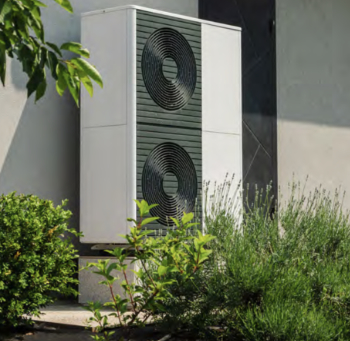
Technical Engineer runs through changes in regulations, innovations in materials, and product systems.
Awareness of the Carbon Border Adjustment Mechanism
What CBAM is and what to do about it.
The new towns and strategic environmental assessments
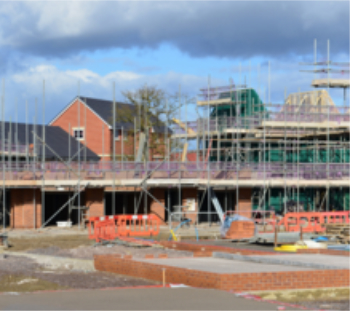
12 locations of the New Towns Taskforce reduced to 7 within the new towns draft programme and open consultation.
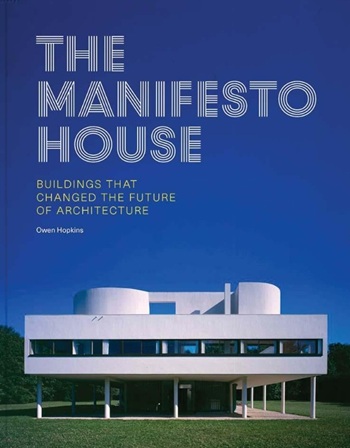
Buildings that changed the future of architecture. Book review.
The Sustainability Pathfinder© Handbook
Built environment agency launches free Pathfinder© tool to help businesses progress sustainability strategies.

Government outcome to the late payment consultation, ECA reacts.
IHBC 2025 Gus Astley Student Award winners

Work on the role of hewing in UK historic conservation a win for Jack Parker of Oxford Brookes University.
Future Homes Building Standards and plug-in solar
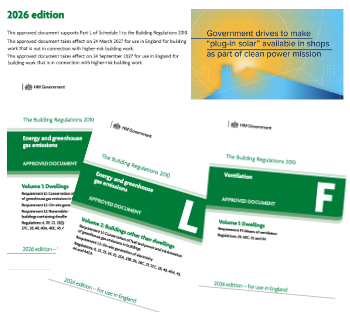
Parts F and L amendments, the availability of solar panels and industry responses.
How later living housing can help solve the housing crisis

Unlocking homes, unlocking lives.
Preparing safety case reports for HRBs under the BSA
A new practical guide to preparing structural inputs for safety cases and safety case reports published by IStructE.
Male construction workers and prostate cancer

CIOB and Prostate Cancer UK encourage awareness of prostate cancer risks, and what to do about it.