






Building services and health risk resilient buildings

Contents |
[edit] Introduction
Organisations are considering bringing people back into work premises, be it offices or other buildings. COVID-19 pandemic-related restrictions and successful homeworking will result, without doubt, in reduced occupation rates in buildings. Building operators in some areas, such as offices and higher education, expect the occupancy rate to be between 25% and 40% of the March 2020 (pre-lockdown) level.
[edit] Risk assessments for return to work
Those who come back to buildings are often anxious about the health risks such return might pose, and it is employers’ legal responsibility to ensure safety of those entering workplaces. A COVID-19 risk assessment must be carried out on every premises and actions need to be undertaken to provide reassurance to those coming back to work.
Employees expect to return to workplaces where their health has been considered with existing risk assessments reviewed, and new, COVID-19 related risk assessments drawn up for completing tasks. Properly operating and well-maintained building services will be crucial to building operators in providing workplaces that minimise aspects of COVID-19 related health and safety hazards. Strategic facilities management also has a crucial role to play in ensuring the health and wellbeing of the workplace occupants.
[edit] The role of building services
BSRIA has always emphasised the importance of operational building services. Varying occupancy loads will require flexible services, and with it the role of regular, high quality maintenance of systems will grow. Heating, cooling and water services are at the core of building operation, although as part of a basic service expectation their visibility to occupiers has been scarce.
The COVID-19 pandemic has brought ventilation into the centre of attention and with it the need for reassurance related to the quality and control of ventilation systems. Ventilation rates, air quality levels and humidity are all primary considerations, resulting in the emphasis on maintenance.
[edit] Maintenance
Regular maintenance ensures adherence to prescribed or adopted standards. Its role has been underplayed for years; however, it is crucial in providing reassurance that all building HVAC systems perform as well as they should, creating safe and healthy working environments.
Water system maintenance is a key part of the water safety plan in buildings. It allows building owners to manage legionella and other waterborne pathogen related risks and to prevent leakage and corrosion, saving companies trouble, disruption and money.
Well maintained and controlled HVAC and water systems ensure health-risk resilient buildings. They are also fundamental to the improvement of building users’ wellbeing. It is most likely that post COVID-19 there will be a trend towards wellbeing and comfort as the notion of wellbeing will start merging with the expectations for health security.
Well maintained HVAC and water systems are also crucial for the management of energy use in buildings. Effective, high quality building services are an indispensable component of building energy efficiency programmes.
[edit] The new normal
In the post COVID-19 era, organisations will be facing the new normal that, for buildings, will see demands for climate resilience, health risk resilience and wellbeing merging into a bigger framework to work within, with the golden thread of buildings’ flexibility requirements running through it.
This article was originally published as Building services have a key role to play in delivering health risk resilient buildings on the BSRIA website in June 2020. It was written by Peter Tse, Business Manager, BSRIA Sustainable Construction Group.
--BSRIA
[edit] Related articles on Designing Building Wiki
- Acoustics in the workplace.
- BSRIA articles on Designing Buildings Wiki.
- Building services.
- CEOs predict COVID-19 workplace changes will be permanent.
- Coronavirus.
- Energy in the built environment.
- Face coverings and a shifting policy background.
- Facilities management.
- Health performance indicators in the built environment.
- IMMUNE Building Standard.
- Indoor air quality.
- Maintenance.
- Re-starting construction in a COVID-19 environment.
- Risk management.
- Social distancing compliance marshal.
- Water.
- Wellbeing and buildings.
Featured articles and news
Costs and insolvencies mount for SMEs, despite growth

Construction sector under insolvency and wage bill pressure in part linked to National Insurance, says report.
The place for vitrified clay pipes in modern infrastructure
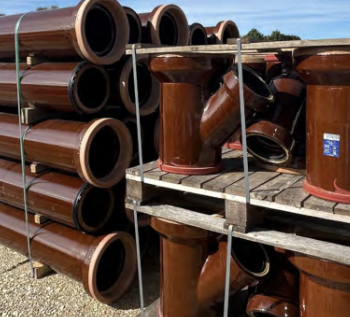
Why vitrified clay pipes are reclaiming their role in built projects.

Research by construction PR consultancy LMC published.
Roles and responsibilities of domestic clients

ACA Safety in Construction guide for domestic clients.
Fire door compliance in UK commercial buildings

Architect and manufacturer gives their low down.
Plumbing and heating for sustainability in new properties
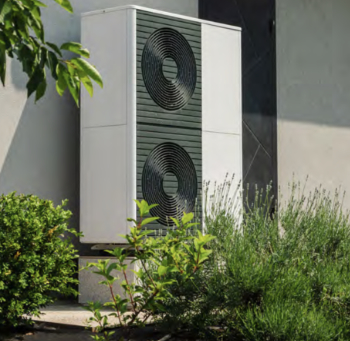
Technical Engineer runs through changes in regulations, innovations in materials, and product systems.
Awareness of the Carbon Border Adjustment Mechanism
What CBAM is and what to do about it.
The new towns and strategic environmental assessments
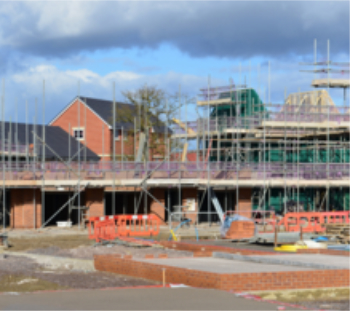
12 locations of the New Towns Taskforce reduced to 7 within the new towns draft programme and open consultation.
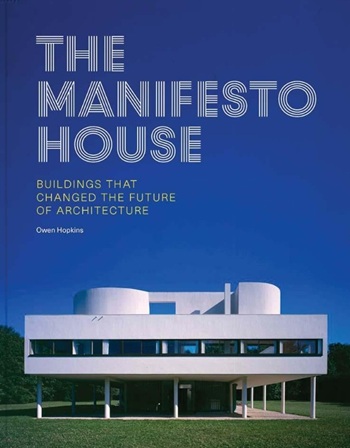
Buildings that changed the future of architecture. Book review.
The Sustainability Pathfinder© Handbook
Built environment agency launches free Pathfinder© tool to help businesses progress sustainability strategies.
Government outcome to the late payment consultation, ECA reacts.
IHBC 2025 Gus Astley Student Award winners

Work on the role of hewing in UK historic conservation a win for Jack Parker of Oxford Brookes University.
Future Homes Building Standards and plug-in solar
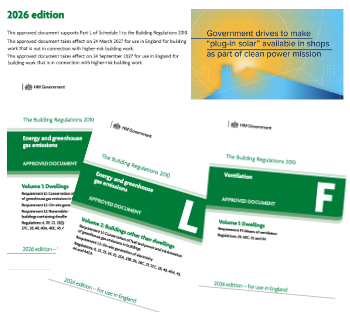
Parts F and L amendments, the availability of solar panels and industry responses.
How later living housing can help solve the housing crisis
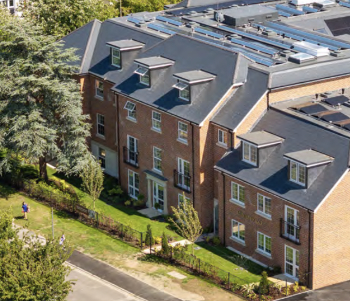
Unlocking homes, unlocking lives.
Preparing safety case reports for HRBs under the BSA
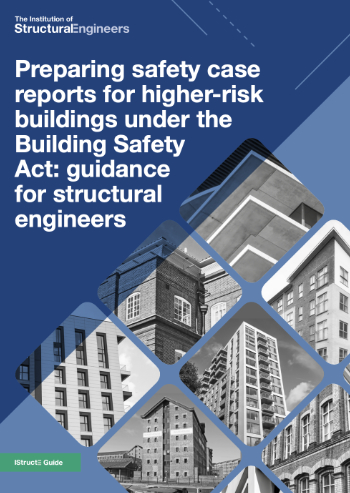
A new practical guide to preparing structural inputs for safety cases and safety case reports published by IStructE.
Male construction workers and prostate cancer

CIOB and Prostate Cancer UK encourage awareness of prostate cancer risks, and what to do about it.