





Building Use Studies

|
Contents |
[edit] Introduction
Building Use Studies (BUS) is a methodology for evaluating occupant satisfaction that was developed in the 1980s for construction clients. The feedback generated is intended to help improve future quality and performance. By benchmarking occupant satisfaction levels against a large database of results for similar buildings, solutions can be created and decisions informed to improve occupant experience and optimise performance.
The BUS methodology is designed to be used by designers, sustainability consultants, architects, engineers, facilities managers, contractors and others.
The BUS methodology consists of the following services:
- Surveys of building occupants.
- Post-occupancy evaluations.
- Briefs on strategic thinking and the future.
- Data management and analysis.
The benefits of BUS include:
- The worst aspects of common building problems that may affect occupants can be avoided or identified and tackled.
- By helping to understand future scenarios, obsolescence and poor flexibility can be minimised.
- It can help create buildings which are easier to manage and more user-friendly.
- It can assist with environmental performance and identify areas of improvement.
- It can help inform investment decisions.
[edit] Data collection
The first step is to use the BUS methodology to prepare surveys. Trained BUS partners are employed to assist and advise in this process.
The surveys take the form of a structured questionnaire which is designed to accumulate as much information as possible from as few questions as possible. Building occupants rate various performance-related aspects on a scale of 1-7. They can also provide written feedback.
Key variables are evaluated that cover aspects such as noise, space, thermal comfort, ventilation, indoor air quality, lighting, personal control, image and needs. Occupants of commercial buildings may be asked about how they perceive their productivity, and their travel to the building. Occupants of domestic buildings may be asked about their lifestyle and environmental issues.
[edit] Data analysis
The quantitative and qualitative data that is accumulated from the surveys is analysed by comparison with similar buildings already in the database. The non-domestic database has more than 850 buildings from around the world.
[edit] Results
The BUS methodology allows the results to be interpreted and placed in context for the particular building. Summary results provide an ‘overview’ of the overall building performance, while more detailed results for each question are reported using statistical tables, graphs and charts.
[edit] Related articles on Designing Buildings
- Appointing consultants.
- Building performance evaluation.
- Building performance metrics.
- Closing the gap between design and as-built performance.
- Energy audit.
- Maintenance.
- Performance of exemplar buildings in use: Bridging the performance gap FB 78.
- Performance in use.
- Post occupancy evaluation.
- Post occupancy evaluation process.
- Sick building syndrome.
- Thermal comfort.
- Wellbeing.
Featured articles and news
Homes, landlords. tenants and the new housing standards

What will it all mean?
The Architectural Technology podcast: Where it's AT

Catch-up on the latest episodes.
Edmundson Apprentice of the Year award 2026

Entries now open for this Electrical Contractors' Association award.

Traditional blue-grey slate from one of the oldest and largest UK slate quarries down in Cornwall.

There are plenty of sources with the potential to be redeveloped.
Change of use legislation breaths new life into buildings

A run down on Class MA of the General Permitted Development Order.
Solar generation in the historic environment

Success requires understanding each site in detail.
Level 6 Design, Construction and Management BSc
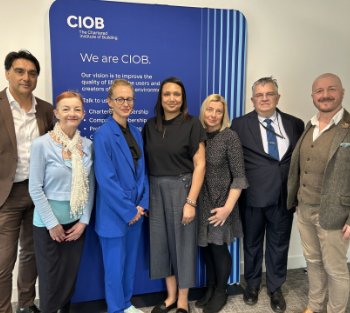
CIOB launches first-ever degree programme to develop the next generation of construction leaders.

Open for business as of April, with its 2026 prospectus and new pipeline of housing schemes.
The operational value of workforce health

Keeping projects moving. Incorporating unplanned absence and the importance of health, in operations.
A carbon case for indigenous slate
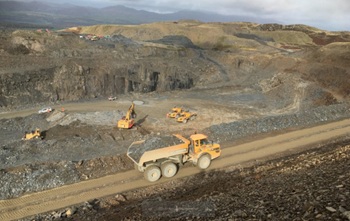
UK slate can offer clear embodied carbon advantages.
Costs and insolvencies mount for SMEs, despite growth

Construction sector under insolvency and wage bill pressure in part linked to National Insurance, says report.
The place for vitrified clay pipes in modern infrastructure
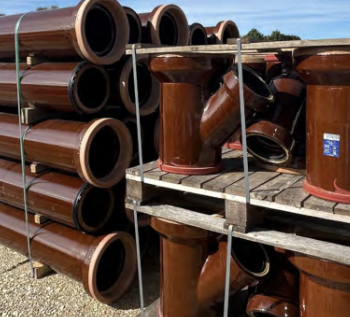
Why vitrified clay pipes are reclaiming their role in built projects.

Research by construction PR consultancy LMC published.
Roles and responsibilities of domestic clients

ACA Safety in Construction guide for domestic clients.
Fire door compliance in UK commercial buildings

Architect and manufacturer gives their low down.