






Brexit - the case for infrastructure

On 8th July 2016, the Institution of Civil Engineers (ICE) published a two-page summary report 'Brexit - The case for infrastructure'. The report highlights the valuable contribution which infrastructure makes to the UK economy.
It suggests that high quality, high-performing infrastructure is vital for economic growth and improved quality of life. It points to transport, communications, energy and housing as central to spreading opportunity across the whole country. It also makes the case that infrastructure acts as a catalyst for social and economic inclusion, encouraging greater participation in society from people of all walks of life.
During uncertain or volatile economic times, continued investment in UK infrastructure can help provide economic stability, facilitate inward investment and drive economic growth.
The report highlights the fact that for every £1 of infrastructure spending, economic activity increases by £2.84, with the construction industry contributing a huge £103bn in economic output, 6.5% of the UK total. Infrastructure also creates a large number of jobs for the UK, 2.1 million in 2015 representing 6.2% of the total. Every 1,000 direct jobs created by the delivery of new infrastructure boosts wider employment by more than 3,000.
It praises the revival that infrastructure has enjoyed since the financial crisis, with a better understanding of the long term strategic case for infrastructure investment and delivery across the political divide. But, the UK still sits just 24th in the World Economic Forum Global Competitiveness infrastructure rankings, behind a number of our economic competitors including Japan (7th), France (10th) and Germany (12th).
The report calls on Government to commit to infrastructure during its negotiations with the EU and to continue to place infrastructure investment at the heart of economic policy. It suggests the Government must continue to invest in long term infrastructure programmes and support the National Infrastructure Commission. It also calls on Government to continue to place infrastructure at the heart of its plans for devolution, as set out in its recent State of the Nation: Devolution report.
The report follows ICE's announcement that, led by the Royal Academy of Engineering, it will be co-operating with the other 37 organisations representing the engineering profession to ensure that the needs of all sectors that have a dependence on engineering are represented and understood..
--The Institution of Civil Engineers
[edit] Related articles on Designing Buildings Wiki
- Architects' Brexit statement.
- Articles by ICE on Designing Buildings Wiki.
- Benefits, not cost, should be focus of key infrastructure projects.
- Breaking Barriers in Infrastructure - perspectives from the profession
- Brexit.
- Brexit Topic Guide.
- EU Referendum - Environmental and climate change consequences for the built environment.
- Future finance - paying for infrastructure after Brexit.
- How good infrastructure can create a sense of place.
- Infrastructure contracts: tailor-made or off-the-shelf?
- Infrastructure nationalisation.
- Levelling up the infrastructure agenda.
- Long term, strategic approaches to infrastructure planning.
- National infrastructure plan.
- National Needs Assessment NNA.
- Northern Ireland closer to creating infrastructure advisory board.
- HVAC and smart energy post-Brexit.
- Key Brexit challenges facing infrastructure and construction.
- Overcoming the challenges of Brexit.
- Post brexit, house building and construction remains a safe sustainable industry.
- Post-Brexit vision for construction.
- Safeguarding infrastructure post-Brexit.
- The UK - Sports capital of the world?
- Triggering article 50 of the Treaty of Lisbon.
- What does Brexit mean for construction?
- What should be in the National Infrastructure Strategy?
- Will Brexit shake UK construction?
Featured articles and news
Costs and insolvencies mount for SMEs, despite growth

Construction sector under insolvency and wage bill pressure in part linked to National Insurance, says report.
The place for vitrified clay pipes in modern infrastructure
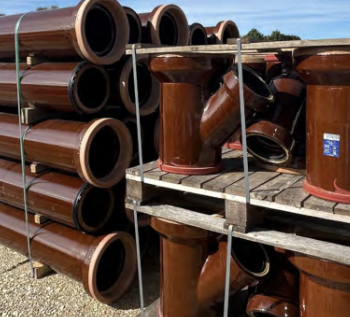
Why vitrified clay pipes are reclaiming their role in built projects.

Research by construction PR consultancy LMC published.
Roles and responsibilities of domestic clients

ACA Safety in Construction guide for domestic clients.
Fire door compliance in UK commercial buildings

Architect and manufacturer gives their low down.
Plumbing and heating for sustainability in new properties

Technical Engineer runs through changes in regulations, innovations in materials, and product systems.
Awareness of the Carbon Border Adjustment Mechanism
What CBAM is and what to do about it.
The new towns and strategic environmental assessments
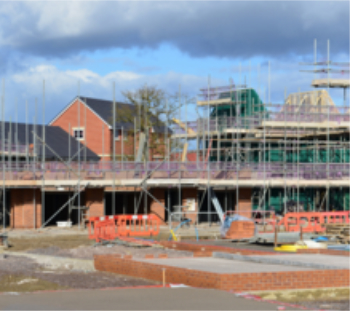
12 locations of the New Towns Taskforce reduced to 7 within the new towns draft programme and open consultation.

Buildings that changed the future of architecture. Book review.
The Sustainability Pathfinder© Handbook
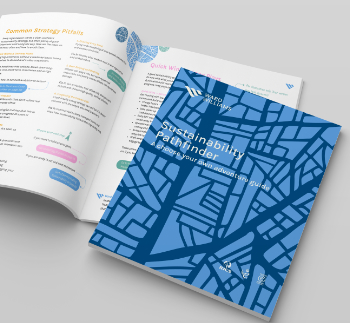
Built environment agency launches free Pathfinder© tool to help businesses progress sustainability strategies.

Government outcome to the late payment consultation, ECA reacts.
IHBC 2025 Gus Astley Student Award winners

Work on the role of hewing in UK historic conservation a win for Jack Parker of Oxford Brookes University.
Future Homes Building Standards and plug-in solar
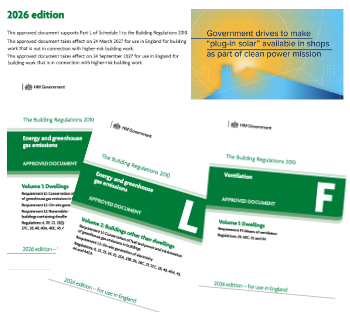
Parts F and L amendments, the availability of solar panels and industry responses.
How later living housing can help solve the housing crisis

Unlocking homes, unlocking lives.
Preparing safety case reports for HRBs under the BSA

A new practical guide to preparing structural inputs for safety cases and safety case reports published by IStructE.
Male construction workers and prostate cancer

CIOB and Prostate Cancer UK encourage awareness of prostate cancer risks, and what to do about it.