





Aluminium Coils
Contents |
[edit] Introduction
Metals with ductility usually have good electrical and thermal conductivity, and are often used in the construction industry. One such light metal with a high strength-to-weight ratio and high strength is aluminium. Aluminium coils come in a variety of sizes and shapes, as well as a variety of colours and finishes. It is soft, non-magnetic and has a silvery-white appearance. With its high electrical conductivity, it is also the metal of choice for high-power transmission lines.
[edit] Advantages of aluminium coil
- It is cheaper than some other metals such as copper.
- It has good electrical conductivity.
- It is flexible and easy to produce in large quantities.
[edit] Uses of aluminium coil
Aluminium has signature properties: ductility, rust resistance, corrosion resistance, etc. and thus has been adopted in a variety of applications. Aluminium coil is used for:
[edit] Architectural finishes
Due to its corrosion resistance, strength, machinability and weldability, aluminium coil is commonly used for architectural decoration. In addition to surface finishes, some construction projects rely on aluminium coil to for structures, windows, doors, ceilings, curtain wall profiles, pressed panels, painted panels and more.
[edit] Food Industry
The main reason why food cans are made from aluminium coils is because of its ductility, rust resistance and corrosion resistance. In addition to cans, aluminium coils also help produce lids, bottles and other packaging.
[edit] Transportation
Automobiles and other vehicles can be made of aluminium coils. This is because such vehicles require lightweight, durable and rust-resistant. Most transportation vehicles that rely on aluminum coil construction include engine components, air conditioners, radiators, wheels, doors, etc.
[edit] Electrical and electronics
Although the metal does not conduct electricity as well as copper, aluminium coils are used in many electronic products. Aluminium is often used for wiring because its corrosion resistance ensures that the wire will last a long time. This is why things like power cords and air conditioners with electrical components have a long life.
[edit] Related articles on Designing Buildings
- Alloy.
- Aluminium decking.
- Cast iron.
- Copper.
- Difference between cast iron and wrought iron.
- Failure of metals.
- Flashing.
- Galvanised steel.
- Iron.
- Lead.
- Lead in construction.
- Major cast metal components.
- Metal.
- Metal fabrication.
- Metal roofing.
- Potash.
- Stainless steel.
- Structural principles.
- Structural steelwork.
- Types of metal.
- Types of steel.
- Weathering steel.
- Zinc.
Featured articles
Check out some of the best features and news from Designing Buildings as well as key stories from around the web.
Building Safety Act implementation in Wales

CIAT to host industry panel on 26 June.
New and updated CLC building safety guidance.
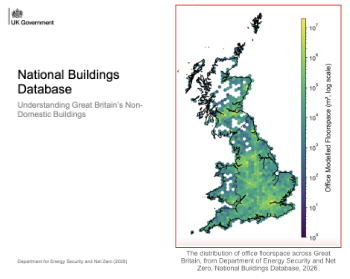
New UK National Buildings Database.
Building Safety Wiki Interviews

Chief executive of the British Woodworking Federation.
Planning condition discharge in England and Wales

A brief explanation from a building compliance expert, with further links.
Overheating guidance and tools for building designers

Guidance for dealing with element of building fabric control that have increasing importance.
Shading for housing, a design guide

From the Good Homes Alliance and British Blind and Shutter Association.
UK Standard Skills Classification (SSC)

A shared framework for describing skills needs.
Social media ban consultation comes to close

CIOB urges UK Government to consider social media’s role in careers guidance in ban debate.
The latest of eight Skills England apprenticeship units

The addition of battery manufacturing welcomed by ECA with a warning about the risks of fast-tracked apprenticeship units.
Building Control Independent Panel final report
A precis of a key report led by Dame Hackitt with full recommendations and link to the government response.