





Section drawing
A 'section drawing', 'section' or 'sectional drawing' shows a view of a structure as though it had been sliced in half or cut along another imaginary plane.
For buildings, this can be useful as it gives a view through the spaces and surrounding structures (typically across a vertical plane) that can reveal the relationships between the different parts of the buildings that might not be apparent on plan drawings. Plan drawings are in fact a type of section, but they cut through the building on a horizontal rather than vertical plane.

The direction of the plane through which the section is cut is often represented on plan drawings and elevations by a line of long and short dashes, called a section plane. If there are a number of sections, the line may have letters at each end indicating the name of the section drawing and an arrow showing the direction that the view takes.
The section line can take an indirect route through a building if this helps show the most important features or junctions in the building, as illustrated on the drawing below.

In this case, the section drawing would be named 'Section B-B'.
Shading, cross hatching or other fill styles and / or thicker lines can be used to indicate parts of the structure that have been cut through, such as walls, roofs and floors.
The scale of a section drawing will depend on the size of the building being drawn and the level of detail that needs to be shown. Sections may show the entire building, or may focus on a particular component, junction or assembly. In this case they can be similar to assembly drawings but differ in that they don’t usually include details of the actually assembly process.
Different types of cross hatching can be used to differentiate between different types of component on detailed sectional drawings. Standards exist for hatching that should be used on some common materials, for example, double diagonal lines indicate brickwork, a wave indicates insulation and so on.
Perspective sections include 3D projection of the spaces beyond the section plane and can be used to give a graphical illustration of the relationship between spaces and building components as well as their depths that can be very helpful in trying to interpret a complex design.
Increasingly, section drawings can be generated automatically by 3D modelling software, including perspective sections where required.

[edit] Find out more
[edit] Related articles on Designing Buildings Wiki
- As-built drawings and record drawings.
- Assembly drawing.
- Building information modelling.
- Component drawing.
- Computer aided design.
- Concept drawing.
- Design drawings.
- Detail drawing.
- Engineering drawing.
- General arrangement drawing.
- How to draw a floor plan.
- Installation drawings.
- Manual of Section - review.
- North American Paper Sizes
- Notation and symbols.
- Paper sizes.
- Production information.
- Projections.
- Scale drawing.
- Shop drawings.
- Site plan.
- Technical drawing.
- Types of drawings for building design.
- Working drawing.
[edit] External references
- ‘Building Construction Handbook’ (6th ed.), CHUDLEY, R. and GREENO, R., Butterworth-Heinemann (2007)
Featured articles
Check out some of the best features and news from Designing Buildings as well as key stories from around the web.

A quick introduction.
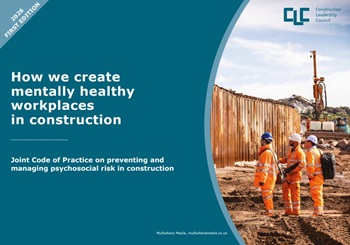
CLC publishes Mental Health Joint Code of Practice.
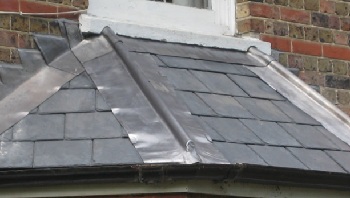
A quick introduction to its uses and risks.
Construction Management, 17 June

Government rolls out digital planning tool to all local authorities.

Your views needed - a strategy for the professions, trades and occupations.

Confronting competency, codes, capacity and costs.
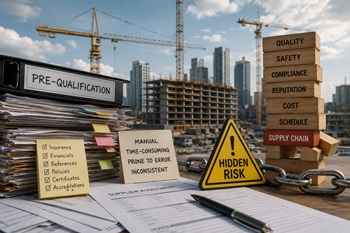
The hidden risk in modern construction supply chains.
Construction Management, 10 June

24 months to 14: CITB launches accelerated apprenticeships.
Bridging the gap between clients and contractors
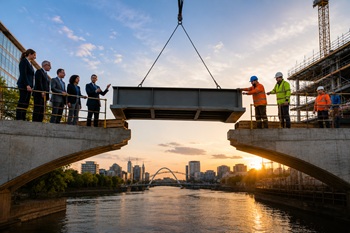
Concerns remain around contractor quality, capability, and delivery.
Construction Management, 10 June.
Heat pumps beat boilers in new home tests.
Building Safety Act implementation in Wales

CIAT to host industry panel on 26 June.