





Sapele wood
Contents |
[edit] Introduction
Entandrophragma cylindricum, or what it’s most commonly known as Sapele, is a member of the mahogany family. Sapele is a timber originating from tropical Africa and grows to incredible dimensions; up to a height of 45m and a diameter of 10m.
It is harder and heavier than African mahogany, weighing about 640kg/m3 when dried. This wood can also range from the Ivory Coast to the Cameroons and eastward through Zaire to Uganda.
Sapele’s colour tends to darken with age, from a golden brown to a dark, reddish hue. As well as the common ribbon pattern seen on quarter sawn boards, Sapele is also known for a wide variety of other figured grain patterns, such as: pommele, quilted, mottled, wavy, beeswing, and fiddleback.

[edit] Properties
Sapele has good durability, strength, and density, and can be used both internally and externally. It can be used for skirting boards, architraves, flooring, picture frames, furniture, mouldings, doors, conservatories, panelling and so on.
The texture of the grain is interlocked and sometimes wavy, with a fine uniform texture and good natural luster. Sapele has a distinct, cedar-like scent while being worked.
The hardness, medium density, and propensity for straight grained boles, makes Sapele wood very stable. This timber travels a long distance to reach the UK, but with its natural superior stability, it remains undamaged.
Being much harder than African or American mahogany, the resistance to indention, bending strength, and stiffness is almost equal to English oak.
[edit] Common uses
It is very popular for use in joinery and furniture making becuase of its exceptional stability, consistency of quality, and cost effectiveness.
Sapele is a popular choice for veneers on sheet materials, which are widely used for furniture and cabinet making. This wood can be stained, polished, waxed, oiled, and varnished. Most commonly used for exterior applications (as a window and door material) it is almost completely rot and weather resistant. It is also ideal for painted applications due to its fine graining.
Among its more exotic uses, Sapele is used for the back and sides of acoustic guitar bodies and the tops of electric guitar bodies. It is also used in manufacturing the neck piece of ukuleles and 26- and 36- string harps.
Sapele is a commonly exported and an economically important African wood species, being sold both in timber and veneer form. It is occasionally used as a substitute for Genuine Mahogany, and is sometimes referred to as Sapele Mahogany.
The availability of Sapele adds to its many valued attributes to make it easily and sustainably sourced. With the consistently high and steadily available supply of Sapele, it gives this timber species a small price tag and good popularity ratings amongst those who have tried using it as an alternative to genuine Mahogany.
--G&S Specialist Timber 16:07, 23 Jan 2017 (BST)
[edit] Find out more
[edit] Related articles on Designing Buildings Wiki
- 11 things you didn't know about wood.
- Ancient Woodland.
- Chip carving.
- Confederation of Timber Industries.
- Cross-laminated timber.
- Definition of tree for planning purposes.
- Engineered bamboo.
- European Union Timber Regulation.
- Forest Stewardship Council.
- Glulam.
- Laminated veneer lumber LVL.
- Oak wood properties.
- Pine wood.
- Plywood.
- Programme for the Endorsement of Forest Certification.
- Properties of mahogany.
- Timber.
- Timber preservation.
- Timber v wood.
- Tree preservation order.
- Tree rights.
- Types of timber.
- Walnut.
Featured articles and news
Costs and insolvencies mount for SMEs, despite growth
Construction sector under insolvency and wage bill pressure in part linked to National Insurance, says report.
The place for vitrified clay pipes in modern infrastructure
Why vitrified clay pipes are reclaiming their role in built projects.

Research by construction PR consultancy LMC published.
Roles and responsibilities of domestic clients

ACA Safety in Construction guide for domestic clients.
Fire door compliance in UK commercial buildings

Architect and manufacturer gives their low down.
Plumbing and heating for sustainability in new properties
Technical Engineer runs through changes in regulations, innovations in materials, and product systems.
Awareness of the Carbon Border Adjustment Mechanism
What CBAM is and what to do about it.
The new towns and strategic environmental assessments
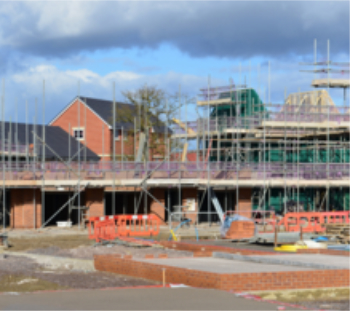
12 locations of the New Towns Taskforce reduced to 7 within the new towns draft programme and open consultation.

Buildings that changed the future of architecture. Book review.
The Sustainability Pathfinder© Handbook
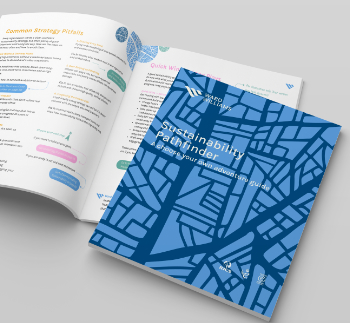
Built environment agency launches free Pathfinder© tool to help businesses progress sustainability strategies.

Government outcome to the late payment consultation, ECA reacts.
IHBC 2025 Gus Astley Student Award winners

Work on the role of hewing in UK historic conservation a win for Jack Parker of Oxford Brookes University.
Future Homes Building Standards and plug-in solar
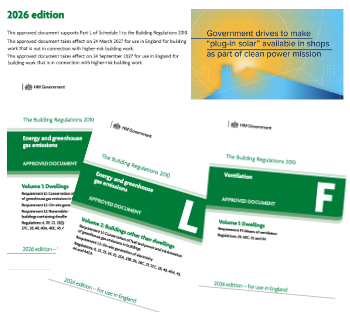
Parts F and L amendments, the availability of solar panels and industry responses.
How later living housing can help solve the housing crisis
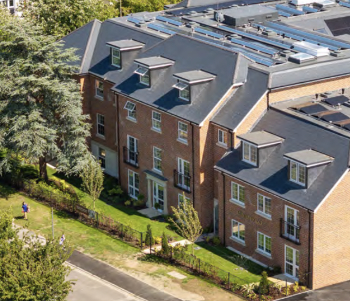
Unlocking homes, unlocking lives.
Preparing safety case reports for HRBs under the BSA

A new practical guide to preparing structural inputs for safety cases and safety case reports published by IStructE.
Male construction workers and prostate cancer

CIOB and Prostate Cancer UK encourage awareness of prostate cancer risks, and what to do about it.