





Vitiate
To vitiate is the act of impairing or voiding the effect of something else. In terms of buildings and construction this may be an action, failure of an action or a factor that has the potential to invalidate a contract or specific element of a contract or agreement tis making it void. For example through fraud, misrepresentation, legal capacity and so on.
For example if an insured person fails to disclose relevant material facts or misrepresents a case to an an insurer before the insurance policy is issued it may vitiate the policy, thus making it invalid. If a landlord does of fails to do something to a property that is likely to make a tenant's insurance policy void, the landlord may be liable for reparation costs.
In the case of a force majeure event, it may be ground for and excuse non-performance in a contract, but only for the duration of the event, it does not necessarily void or vitiate the contract in its entirety.
In a construction project variations to a contract, that are agreed upon, may be requested under the correct procedure, variations do not vitiate a contract. The original contract remains in tact and in place, it merely has been adjusted, a vitiated contract is one that is no longer valid and is thus void.
[edit] Related articles on Designing Buildings
- Abortive work in building design and construction.
- Architect's instruction.
- Change control procedure for building design and construction.
- Change order for construction contracts.
- Compensation event.
- Confirmation of verbal instruction.
- Contract sum.
- Extension of time EOT in construction contracts.
- How to prepare a claim for an extension of time.
- Loss and expense.
- Payment for extra work.
- Prime cost sum.
- Provisional sum.
- Relevant event.
- Relevant matter.
- Scope of work.
- Valuation of interim payments.
- Variations in construction contracts.
Featured articles
Check out some of the best features and news from Designing Buildings as well as key stories from around the web.
ECA Edmundson apprentice of the year award
Finalists announced.
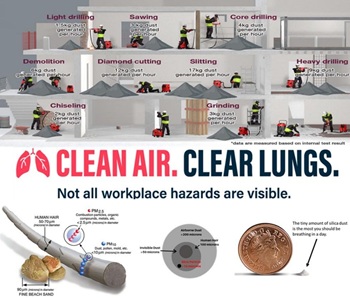
Major new study exposes serious knowledge gaps.

Generating energy from internal light as well as sunshine.

ECA welcomes plans to strengthen subcontractor quality control.

Combining mid-career qualifications with experience broadens career opportunities.

Why being a mentor can help your career.

Channel 4 broadcaster to host 125th anniversary ceremony.
Listed structures on the rail network
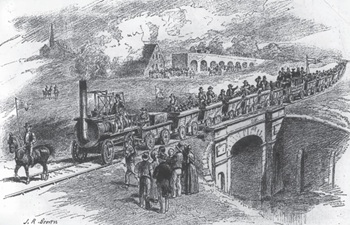
Heritage interests and operational requirements must be balanced.
Historic England publishes research into embodied carbon when retrofitting traditional buildings.

New Prime Minister delivers on ECA call for cut in electricity costs.

CIOB reacts to the announcement of Andy Burnham as Prime Minister.

Heritage and conservation science workforce survey - Have your say.