





Types of client related roles for construction projects
The CIOB Code of practice for project management (4th edition), defines a client as the 'Entity, individual or organisation commissioning and funding the project, directly or indirectly.' The Construction (Design and Management) Regulations (CDM) provides specific definitions of clients, whilst the Building Safety Act and regulations name the client as a duty holder, under the Building Regulations, a ‘client’ is ‘any person for whom a project is carried out’, a ‘domestic client’, means ‘a client for whom a project is carried out which is not in the course or furtherance of a business of that client.’
Clients are rarely single people acting alone, even on relatively small projects there are likely to be other interested parties, as the number of interested parties grows, different roles and specifications are used to describe their relationship with a project. Below is a list of some client related terms and roles that might be found in relation to a project:
- Academic Institution.
- Asset Manager.
- Authority.
- Buyer.
- Board of directors.
- Board of representatives.
- Board representative.
- Champions for construction clients.
- Charity.
- Client design advisor.
- Client models.
- Client team
- Client's representative.
- Co-operative.
- Company.
- Customer.
- Developer.
- Domestic client.
- Duty holder.
- Employer.
- End-user.
- Government authority.
- Heads of department.
- Housing Association.
- Independent client advisers.
- Integrated project team.
- Intelligent client.
- Investment Decision Maker (IDM),
- Local Authority.
- Main board of directors
- Non-Governmental Organisation.
- Non-profit.
- Owner.
- Principal.
- Project board,
- Project director.
- Project manager.
- Project Sponsor (PS).
- Promoter.
- Purchaser.
- Residents' Association.
- Senior Responsible Owner (SRO)
- Sponsor.
- Stakeholders.
- Tenant.
- Tenant management organisation (TMO).
- User.
- User panels.
- Users.
[edit] Related articles on Designing Buildings
- Client design advisor.
- Client for building design and construction.
- Client model.
- Client procedures in construction: Knowledge hub.
- Client's representative.
- Champions.
- Contracting.
- Customer.
- Domestic client.
- End-user.
- Independent client advisers.
- Integrated project team.
- Integrated supply team.
- Intelligent client.
- Owner.
- Project manager.
- Purchaser.
- Stakeholders.
- User experience UX.
- User panels.
- Users.
Featured articles and news
The sad story of Derby Hippodrome
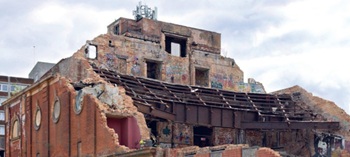
An historic building left to decay.

ECA, JIB and JTL back Fabian Society call to invest in skills for a stronger built environment workforce.

Women's Contributions to the Built Environment.
Calls for the delayed Circular Economy Strategy

Over 50 leading businesses, trade associations and professional bodies, including CIAT, and UKGBC sign open letter.
The future workforce: culture change and skill

Under the spotlight at UK Construction Week London.
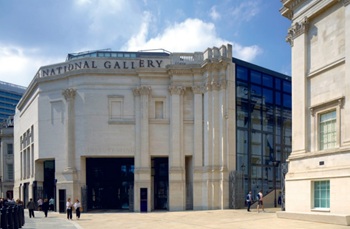
A landmark moment for postmodern heritage.
A safe energy transition – ECA launches a new Charter
Practical policy actions to speed up low carbon adoption while maintaining installation safety and competency.
Frank Duffy: Researcher and Practitioner
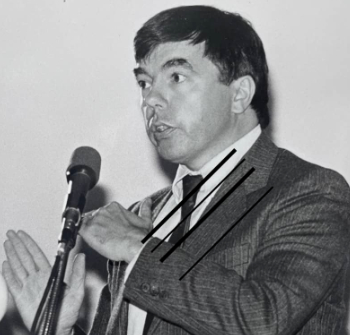
Reflections on achievements and relevance to the wider research and practice communities.
The 2026 Compliance Landscape: Fire doors

Why 'Business as Usual' is a Liability.
Cutting construction carbon footprint by caring for soil

Is construction neglecting one of the planet’s most powerful carbon stores and one of our greatest natural climate allies.
ARCHITECTURE: How's it progressing?
Archiblogger posing questions of a historical and contextual nature.
The roofscape of Hampstead Garden Suburb

Residents, architects and roofers need to understand detailing.
Homes, landlords. tenants and the new housing standards

What will it all mean?