





Types of sanitary appliances

Contents |
[edit] Introduction
The Building Regulations Approved Document G: Sanitation, hot water safety and water efficiency suggests that the term ‘sanitary appliance’ means a ‘… WC, urinal, bath, shower, washbasin, sink, bidet and drinking fountain. It also includes appliances that are not connected to a water supply (e.g. composting toilet) or drain (e.g. waterless urinal).’

These appliances collect and remove waste matter. They are generally grouped into two categories: soil appliances and waste water appliances.
[edit] Soil appliances
Soil appliances remove different types of solid waste material. Examples of soil appliances include:
- Toilets or other types of water closets (such as squatting, composting, washdown, siphonic or universal).
- Bidets (either pedestal or wall hung).
- Urinals (bowl type, slab, stall, squatting, syphon jet or waterless).
- Slop sinks (found in hospitals and used for emptying and washing bedpans and urine bottles).
- Bed pan sinks (again, found in hospitals).
[edit] Waste water appliances
Waste water appliances are primarily used to collect and remove water once it has been used. Examples of waste water appliances include:
- Wash basins.
- Wash troughs.
- Sinks.
- Showers.
- Bathtub.
- Drinking fountains.
These appliances should have a durable, smooth, easily cleaned and non-absorbent surface. They are typically made of non-corroding material, such as ceramic, china, porcelain, enamelled cast iron or pressed steel, stainless steel, glass or specially treated plastic.
[edit] Related articles on Designing Buildings
- Approved Document G.
- Bathroom definition.
- Bath.
- Bidet.
- Earth closet.
- Gas fired toilet.
- Installed level access shower.
- Lavatory.
- Macerating toilet systems.
- Sanitary accommodation.
- Sanitaryware.
- Shower.
- Sink.
- Sink v basin.
- Solid surface wash troughs.
- Types of showers.
- Urinal.
- Wall hung toilet.
- Water closet.
Featured articles
Check out some of the best features and news from Designing Buildings as well as key stories from around the web.

Gasholders: a history in pictures. Book review.
Recognition, influence and growth

SocEnv identifies three strategic pillars in new strategy to 2045.
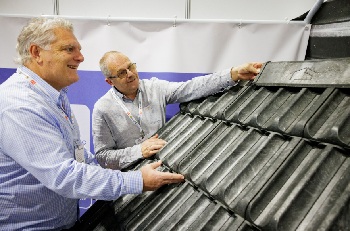
Discover the future of roofing, cladding and insulation.
New guidance for professional practice, cultural change and regulation in social housing.
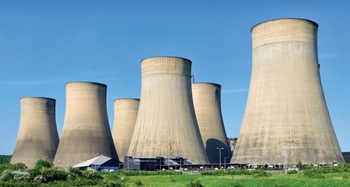
The heritage of nuclear and conventional power stations.
New measures to stop people being ripped off

Government to protect families from cowboy builders and aggressive bailiffs.

New Futurebuild showcase brings an innovation-first approach.
National Planning Policy Framework
Understanding the 2026 changes.
ECA's public affairs priorities

Member consultation opens to shape priorities for 2027 to 2030.

Dutyholder responsibilities from 1 July 2026.
Where performance meets practice

The Building Envelope Stage at UKCW Birmingham.

CIAT publishes briefing on planning reforms.