





Urban treescape

Contents |
[edit] Introduction
Urban treescape is a green infrastructure term specifically referring to numbers, species, health, maintenance, appearance and benefits of publicly and privately owned trees or forests in the urban setting. Trees can impact on a variety of characteristics of the urban realm such as water retention, air quality, biodiversity, climate adaptation, resilience, urban heat islands, health, safety, urban psychology and so on. The incorporation of trees in urban developments can extend beyond specification for landscape architects expanding to buildings themselves, where they may form an element of shading approaches or be one of the main features, such as with the example of Bosco Verticale in Milan.
Furthermore, successful green infrastructure on completion of projects can be considered a matter of planning, where correctly matching, healthy trees forms part of the planning conditions to be signed off. As such understanding the correct specification, location and maintenance of trees for success, planting and growth is crucial to the role of professionals working on buildings as well as landscapes.

[edit] The Trees and Design Action Group (TDAG)
The Trees and Design Action Group (TDAG) brings together individuals, professionals, academics and organisations from wide-ranging disciplines in both the public and private sectors to improve knowledge and good practice to support the role of urban trees through better collaboration in the planning, design, construction, management and maintenance of our urban places.
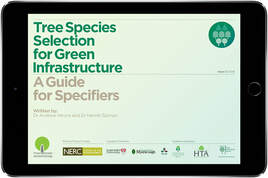
[edit] Tree species selection for green infrastructure: A guide for specifiers
How can we improve species selection so that we can provide our towns and cities with a diverse and resilient palette of trees that are capable of thriving in challenging urban environments? This guide offers for the first time in the UK a comprehensive, research-based decision-making tool for selecting appropriate species for a range of contrasting planting scenarios.
The guide and its companion database are available at: https://www.tdag.org.uk/tree-species-selection-for-green-infrastructure.html
[edit] Related articles on Designing Buildings
- Green infrastructure.
- Biodiversity.
- Blue infrastructure.
- Blue-green infrastructure.
- Campaigning for biodiversity.
- Ecosystem.
- Ecology connectivity.
- Green belt.
- Green bridge.
- Green chain.
- Green grid.
- Green network.
- Green plot ratio.
- Green roof.
- Green space.
- Green tunnel.
- Green walls.
- Greenway.
- Growing space.
- Habitat.
- Helping to make Europe a wilder place.
- How green infrastructure is helping to control urban floods.
- Living Roofs and Walls, from policy to practice.
- Natural capital.
- Parleys Canyon Wildlife Bridge.
- The future of green infrastructure.
Featured articles
Check out some of the best features and news from Designing Buildings as well as key stories from around the web.
Cut electricity bills to power growth

Coalition sends joint letter to the Chancellor.

Gasholders: a history in pictures. Book review.
Recognition, influence and growth
SocEnv identifies three strategic pillars in new strategy to 2045.
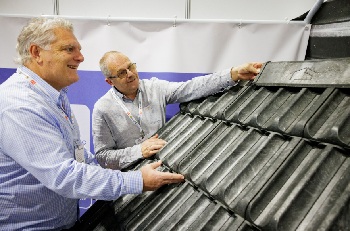
Discover the future of roofing, cladding and insulation.
New guidance for professional practice, cultural change and regulation in social housing.
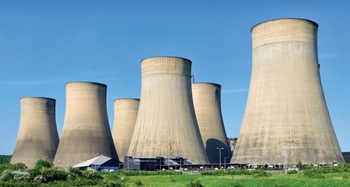
The heritage of nuclear and conventional power stations.
New measures to stop people being ripped off

Government to protect families from cowboy builders and aggressive bailiffs.

New Futurebuild showcase brings an innovation-first approach.
National Planning Policy Framework
Understanding the 2026 changes.
ECA's public affairs priorities

Member consultation opens to shape priorities for 2027 to 2030.

Dutyholder responsibilities from 1 July 2026.
Where performance meets practice
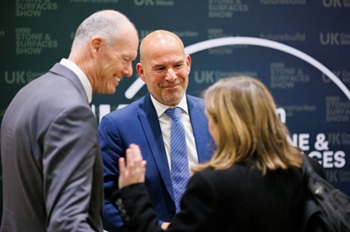
The Building Envelope Stage at UKCW Birmingham.