






Transport subsidies are unsustainable: what next for infrastructure

Contents |
[edit] Introduction
The APPGI chair discusses revenue budget pressures versus capital pressures beyond the 2020/2021 COVID pandemic.
For years, the message from government and environmental groups has been leave your car and use public transport as a means of cutting congestion and improving our environment. During the pandemic, when we were allowed to travel, the messaging was about taking extra care to keep safe in enclosed spaces. It was part of the package designed to help us keep safe, and that message really landed. Travelling down to Westminster on the train, I often had the carriage to myself.
[edit] Government subsidies
The subsidy from the Government to keep services running was needed, as almost overnight, whole industries had become unviable. The cost to the public purse was huge – in excess of £10 billion and counting.
It was the right policy, but it is not a sustainable policy. There has long been subsidy of public transport in the form of payment for routes that are uneconomic but socially important, most obviously seen on bus routes, especially some rural ones. The costs of rail are less easy to see by route, but prior to the pandemic, such had been the years of passenger growth that the industry was getting to a much better place – in terms of revenue, not capital.
The subsidies cannot continue at anything like the current rate. The Government has several hundred billion pounds less than it thought it would have in 2019. There is the prospect of reduced taxation alongside increased cost for some time ahead, too. It cannot be business as usual.
[edit] What else effects subsidies?
There are political pressures to consider. There are demands for more public transport in the parts of country that are the target for levelling up. There are demands for progress on balancing the books in the public sector. There will be huge pressure for extra spending in other government departments.
So what is the answer to these competing factors which are pulling in different directions? There will be a need to maintain support, as usage has not returned to anything like normal levels, and predicting when or if that may happen is not simple.
I suspect there are some difficult conversations taking place right across government, at the centre of those will be those between the DfT [Department for Transport] and the Treasury. I have been a minister in both departments and can confirm they were not easy even in good times. And we are far from those.
[edit] What does the future hold?
The best way out of trouble is to grow your way out. That means lots of efforts to recover passengers. There will be pent-up demand on leisure travel, and operators have reported demand to be strong.
Business travel is a different game and hard to predict. We will start to see what the future looks like in September 2021, as the nation returns from holidays. That is the time for the marketing teams to incentivise a return to the office and to face-to-face meetings.
If I were having the ministerial funding conversations right now, from the DfT side I would be emphasising the difficulty in planning, that trends are not yet clear and that marketing campaigns are yet to land.
If in the Treasury, I would be asking about variable costs, marginal routes and trends in demand. I expect compromises to be reached.
This article originally appeared on The Infrastructure Blog portion of the ICE website. It was written by Andrew Jones MP, Chair of the All-Party Parliamentary Group on Infrastructure and published on 15 September 2021.
--The Institution of Civil Engineers
[edit] Related articles
Featured articles and news
Costs and insolvencies mount for SMEs, despite growth

Construction sector under insolvency and wage bill pressure in part linked to National Insurance, says report.
The place for vitrified clay pipes in modern infrastructure
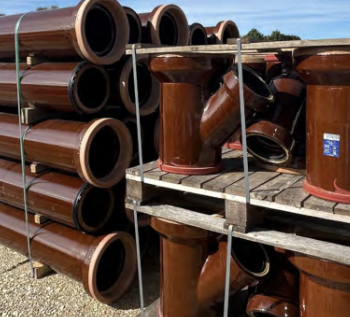
Why vitrified clay pipes are reclaiming their role in built projects.

Research by construction PR consultancy LMC published.
Roles and responsibilities of domestic clients

ACA Safety in Construction guide for domestic clients.
Fire door compliance in UK commercial buildings

Architect and manufacturer gives their low down.
Plumbing and heating for sustainability in new properties

Technical Engineer runs through changes in regulations, innovations in materials, and product systems.
Awareness of the Carbon Border Adjustment Mechanism
What CBAM is and what to do about it.
The new towns and strategic environmental assessments
12 locations of the New Towns Taskforce reduced to 7 within the new towns draft programme and open consultation.
Buildings that changed the future of architecture. Book review.
The Sustainability Pathfinder© Handbook
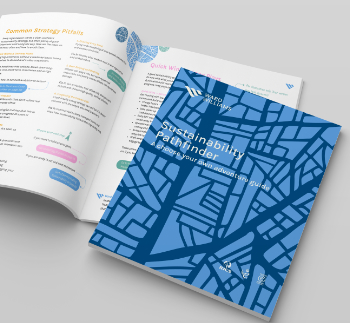
Built environment agency launches free Pathfinder© tool to help businesses progress sustainability strategies.
Government outcome to the late payment consultation, ECA reacts.
IHBC 2025 Gus Astley Student Award winners

Work on the role of hewing in UK historic conservation a win for Jack Parker of Oxford Brookes University.
Future Homes Building Standards and plug-in solar
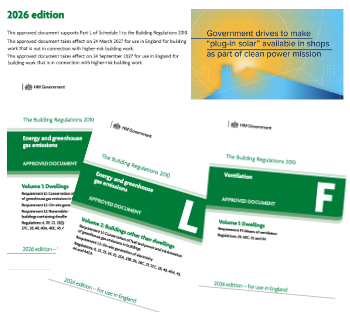
Parts F and L amendments, the availability of solar panels and industry responses.
How later living housing can help solve the housing crisis

Unlocking homes, unlocking lives.
Preparing safety case reports for HRBs under the BSA
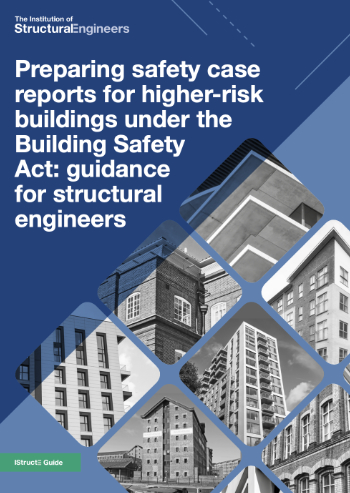
A new practical guide to preparing structural inputs for safety cases and safety case reports published by IStructE.
Male construction workers and prostate cancer

CIOB and Prostate Cancer UK encourage awareness of prostate cancer risks, and what to do about it.
Comments
This article is political opinion about the role of government in supporting public transport, written by a UK politician.
Maybe ok as an opinion piece in the the ICE magazine, but out of place on a non-parisan building design wiki?