





The Plastic Packaging Tax (PPT) 2022
In 2021 a draft legislation, the Plastic Packaging Tax, was published by the UK Government. On 1 April 2022 The tax came into force , which charges a rate of tax at £200 per tonne for any packaging with less than 30% recycled content, defined as packaging that contains more plastic by weight than any other single material.
According to the UK's Waste Resources Action Programme (WRAP); "Despite previous years of progress, the overall recycling rate of plastic packaging in the UK has declined between 2020 and 2021. This is driven by several factors: while the amount of plastic packaging recycled in the UK has increased, the amount exported has fallen even further, so the total quantity recycled has gone down overall. In addition, the amount of plastic packaging placed on the market between 2020 and 2021 has increased. Significant investment in UK recycling is required, particularly as export markets become less reliable."
Plastic packaging components containing 30% or more recycled plastic are not chargeable for the tax, however, they still count towards the 10-tonne threshold for packaging manufactured or imported over a 12-month period, and records must still be kept. Whilst much of the focus surrounds food and product packaging around one third of the waste produced by construction sites is packaging, including timber, cardboard and plastic.
For the purposes of the tax, all plastic is assumed to be made using non-recycled (virgin) material, unless there is evidence that recycled material has been used. Plastic means a polymer material to which additives or substances may have been added. Cellulose-based polymers that have not been chemically modified, such as viscose, will not be treated as plastic. Other cellulose-based materials which are chemically modified, such as cellulose acetate, will be considered plastic. Additives include materials such as calcium or dyes, the additives are classed as part of the plastic and include polymers which are:
If a plastic packaging component is made from multiple materials but contains more plastic by weight (including additives which form part of the plastic) than any other substance, it will be classed as a plastic packaging component for the purposes of the tax.
On March 2, at the 5th meeting of the UN Environmental Assembly (UNEA) 175 nations agreed on a draft resolution to create an international, legally binding agreement to end plastic pollution by 2024. The draft resolution K2200647 was entitled "End plastic pollution: Towards an international legally binding instrument".
The first session of the Intergovernmental Negotiating Committee (INC), known as INC-1, was held nine months after representatives from 175 countries endorsed the landmark resolution on plastic pollution at the United Nations EnvironmentAssembly. The UN Environment Program began the process of consulting with stakeholders from November 28 to December 2, with representatives from governments, the private sector and civil society to develop the international legally binding instrument to end plastic pollution, including in the marine environment
The resolution states the treaty can include binding and voluntary approaches to end plastic pollution that address the full lifecycle of plastics. Coalitions of member countries initially put forward three different proposals with varying scopes for the treaty. In the end, the resolution has been set to address the full lifecycle of plastic including production and disposal. It was reported that the resolution was set to include a reference to concern about chemicals present in plastics, but some delegations including the United States objected to this, resulting in its removal. Instead, the resolution mentions the need to consider the risk posed by plastic pollution to human and environmental health.
For further information visit : https://www.gov.uk/guidance/check-if-you-need-to-register-for-plastic-packaging-tax
[edit] Related articles on Designing Building
- Glass reinforced plastic GRP.
- Glass fibre reinforced plastic.
- Polycarbonate plastic.
- Plastic cladding.
- Plastic coating market.
- Plastic in construction.
- Plastic in concrete.
- Plastic and recycling.
- Recycled plastic bridges.
- Site waste management plan SWMP.
- Types of plastic in construction.
- WRAP voluntary agreements lead industry crisis response.
- UK Plastics Pact.
- Waste and Resources Action Programme WRAP.
- Wood plastic composites market for construction.
Featured articles
Check out some of the best features and news from Designing Buildings as well as key stories from around the web.

Why construction can't afford to ignore the skills gap.
Building Safety Regulator, 19 August

Gill Kernick appointed Independent Chair of Residents’ Panel.
Connecting knowledge, technology and conservation
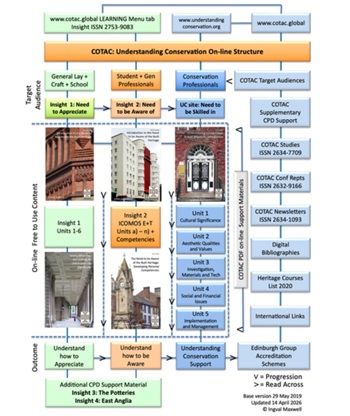
Building competence for the future of built heritage.
Building Regulations and Building Safety Act
CIOB publishes free advice for non-domestic clients.

Building Safety Newsletter from MHCLG.

An extraordinary record of steel engineering worldwide.

Households living near new pylons to save on bills.

ECA warns growth must not outpace grid capacity or skills.
The role of the client and decision making

CIOB response to built environment professions call for evidence.
Construction's sustainability reporting revolution

Tracking upfront embodied carbon with digital tools.
ECA welcomes procurement reforms
Public spending must back British jobs and skills.
Campaigning for Edinburgh: the Cockburn Association 1875-2049

The role of the civic voice in protecting character. Book review.
Comments
[edit] To make a comment about this article, or to suggest changes, click 'Add a comment' above. Separate your comments from any existing comments by inserting a horizontal line.