





Georgian

The Georgian period is generally considered to run from 1714 to 1830 or 1837, and relates predominantly to the Hanoverian kings George I to George IV.
It overlaps with:
- The Regency period (1811 - 1820) during the period of George III’s mental illness.
- The Palladian period (1715 - 1770) inspired by the designs of the Venetian architect Andrea Palladio and his 1570 book, I Quattro Libri dell'Architettura (Four Books of Architecture). For more information see Palladian.

The period from 1830 to 1837 during the reign of King William is sometimes referred to as late Georgian.
For more information see: English architectural stylistic periods.
The Georgian period included the industrial revolution (1760 – 1840) and saw the development of modern industrial, architectural and civil engineering processes. Its range spanned from the development of The Iron Bridge (1781) to the work of Capability Brown (c.1715-16 – 1783), an English landscape architect who designed more than 170 parks and came to be celebrated as ‘England’s greatest gardener’.
Georgian architecture is very varied, as it spans such a long period. Some early examples are based on the Baroque style, but these gave way to purer, more classically-inspired Palladian designs. Interiors ranged from classical Rococo to Gothic.
However, is typified by the use of symmetry and carefully proportioned designs based on classical architecture and its revival in the Renaissance (1300 - 1600). Stately homes and grand town houses were built by wealthy families with designs incorporating the classical orders.
Georgian houses can sometimes be identified by sash windows that are subdivided into panels of 6 to 12 panes of glass, and raised parapet walls concealing the pitched roof, sometimes with decorative mouldings. This, combined with a door that was commonly centrally placed, and chimneys at either end emphasise a pure, rectangular and symmetrical composition.
The style was revived as Georgian revival architecture, becoming as Colonial Revival architecture in the late 19th century in the United States and Neo-Georgian architecture in the early 20th century in the UK.
[edit] Related articles on Designing Buildings
- Architectural styles.
- Capability Brown.
- Edwardian architecture.
- English architectural stylistic periods.
- Georgian Group Journal.
- Georgian wired glass.
- Hardy Plants and Plantings for Repton and Late Georgian Gardens (1780-1820).
- Palladian architecture.
- Regency style.
- St Pauls Cathedral.
- Strawberry Hill House.
- The secret life of the Georgian garden.
- Worcester’s Georgian churches.
Featured articles
Check out some of the best features and news from Designing Buildings as well as key stories from around the web.
Changing expectations around competence and compliance

New information sheet from CIAT.
Grenfell investigation files passed to CPS

Angela Rayner apologises on behalf of the British state.

Electrical contractors need to understand the practical implications.

The real barrier to getting more value from digital technology.

Your guide to The Construction Reset at UKCW Birmingham.

Accommodating the Victorian and Edwardian working woman. Book review.
Rethinking passive fire protection in design

PFP demands the same level of design rigour as structure or services.

38% of Gen Zs feel safe when a fire door is wedged open.
Stunning images from around the world

Shortlist for CIOB’s Art of Building photography competition.
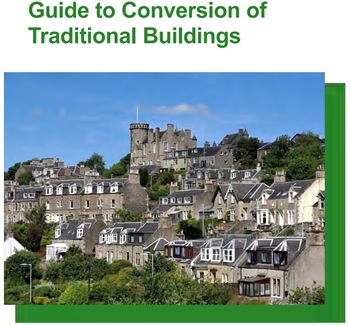
Guidance for conversion of traditional pre-1919 stone buildings.
Industrial heritage in the Ruhr
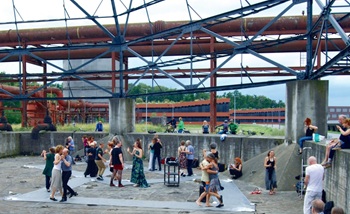
A marked difference to the fate of industrial landscapes in the UK.

Communities will be able to build their own clean energy.
Comments
[edit] To make a comment about this article, or to suggest changes, click 'Add a comment' above. Separate your comments from any existing comments by inserting a horizontal line.