





Navigating finances during a recession
[edit] Introduction
In times of economic downturn, managing your money wisely becomes paramount to weathering the storm. This comprehensive guide aims to equip you with the knowledge and strategies necessary to navigate your finances effectively during a recession. From budgeting and saving to investing and debt management, we'll cover all aspects to ensure your financial well-being remains intact, even in challenging times.
[edit] Understanding Recessions
[edit] What is a Recession?
A recession is a significant decline in economic activity spread across the economy, typically characterised by a decrease in GDP, employment, and trade lasting for a prolonged period.
[edit] Recognising Economic Indicators
Understanding key economic indicators such as GDP, unemployment rates, and consumer spending can provide insights into the onset and severity of a recession.
[edit] Historical Context
Exploring past recessions can offer valuable lessons and insights into how to navigate the current economic landscape.
[edit] Financial Preparedness
[edit] Emergency Fund Essentials
Building and maintaining an adequate emergency fund is crucial during a recession to cover unexpected expenses and mitigate financial stress.
Establishing clear savings goals tailored to your financial situation ensures you have a safety net in place when times get tough.
[edit] Debt Management Strategies
Effectively managing debt obligations is essential to avoid falling into a deeper financial hole during a recession.
Prioritising Debt Repayment
Identifying high-interest debt and prioritising repayment can help alleviate financial burdens and improve long-term financial stability.
[edit] Budgeting Techniques
[edit] Creating a Lean Budget
During a recession, adopting a lean budgeting approach involves cutting unnecessary expenses and prioritising essential needs.
[edit] Tracking Expenses
Utilising budgeting tools and apps to track expenses enables you to identify areas where you can trim costs and optimise spending.
[edit] Investment Strategies
[edit] Defensive Investing
Shifting towards defensive investment strategies, such as diversification and asset allocation, can help safeguard your portfolio during economic downturns.
[edit] Long-Term Perspective
Maintaining a long-term investment perspective and avoiding knee-jerk reactions to market volatility is key to preserving wealth during a recession.
[edit] Income Generation
[edit] Exploring Additional Income Streams
Diversifying your sources of income through side hustles or freelance work can provide a financial cushion during tough economic times.
[edit] Upskilling and Education
Investing in skills development and education can enhance your employability and open up new income opportunities.
[edit] Real Estate Considerations
[edit]
Understanding the dynamics of the real estate market during a recession can help homeowners make informed decisions regarding buying, selling, or refinancing property.
[edit] Mortgage Relief Options
Exploring mortgage relief programs and refinancing options can provide much-needed relief for homeowners facing financial hardship.
[edit] Retirement Planning
[edit] Protecting Retirement Savings
During a recession, it's essential to safeguard your retirement savings by reassessing investment strategies and adjusting contributions as needed.
[edit] Exploring Retirement Account Options
Maximising contributions to tax-advantaged retirement accounts and exploring employer-sponsored retirement plans can help bolster your retirement nest egg.
[edit] Crisis Management
[edit] Seeking Professional Guidance
In times of financial crisis, seeking advice from financial professionals, such as certified financial planners or advisors, can provide clarity and direction.
[edit] Community Support Resources
Exploring community support resources and government assistance programs can offer temporary relief for individuals facing financial hardship.
[edit] Frequently Asked Questions
[edit] Is it wise to invest during a recession?
Investing during a recession can present unique opportunities, but it's essential to approach it with caution and focus on long-term value rather than short-term gains.
[edit] How can I protect my investments during a recession?
Diversification, defensive investing strategies, and maintaining a long-term perspective are key to protecting investments during a recession.
[edit] Should I prioritise saving or paying off debt during a recession?
Balancing saving and debt repayment depends on individual circumstances, but establishing an emergency fund should take precedence to weather financial storms.
[edit] What government assistance programs are available during a recession?
Government assistance programs such as unemployment benefits, stimulus packages, and mortgage relief programs may provide temporary relief for individuals and businesses impacted by a recession.
[edit] How can I make my money work for me during a recession?
Exploring alternative investment opportunities, focusing on essential expenses, and maximising savings through high-yield accounts can help make your money work harder during a recession.
[edit] What steps can I take to prepare for a potential recession?
Building an emergency fund, reducing debt, diversifying income streams, and staying informed about economic trends are essential steps to prepare for a recession.
[edit] Conclusion
Successfully managing your finances during a recession requires a proactive approach, disciplined financial habits, and a willingness to adapt to changing economic conditions. By implementing the strategies outlined in this guide and staying focused on long-term financial goals, you can navigate through uncertain times with confidence and emerge stronger on the other side.
Featured articles and news
Costs and insolvencies mount for SMEs, despite growth

Construction sector under insolvency and wage bill pressure in part linked to National Insurance, says report.
The place for vitrified clay pipes in modern infrastructure

Why vitrified clay pipes are reclaiming their role in built projects.

Research by construction PR consultancy LMC published.
Roles and responsibilities of domestic clients

ACA Safety in Construction guide for domestic clients.
Fire door compliance in UK commercial buildings

Architect and manufacturer gives their low down.
Plumbing and heating for sustainability in new properties

Technical Engineer runs through changes in regulations, innovations in materials, and product systems.
Awareness of the Carbon Border Adjustment Mechanism
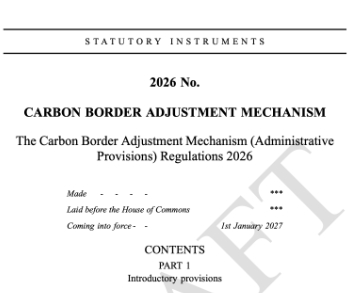
What CBAM is and what to do about it.
The new towns and strategic environmental assessments

12 locations of the New Towns Taskforce reduced to 7 within the new towns draft programme and open consultation.

Buildings that changed the future of architecture. Book review.
The Sustainability Pathfinder© Handbook
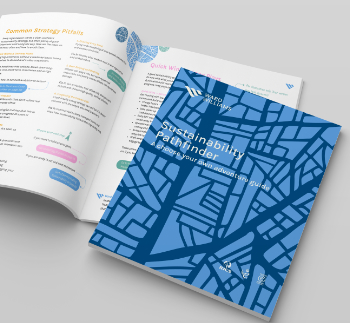
Built environment agency launches free Pathfinder© tool to help businesses progress sustainability strategies.

Government outcome to the late payment consultation, ECA reacts.
IHBC 2025 Gus Astley Student Award winners

Work on the role of hewing in UK historic conservation a win for Jack Parker of Oxford Brookes University.
Future Homes Building Standards and plug-in solar
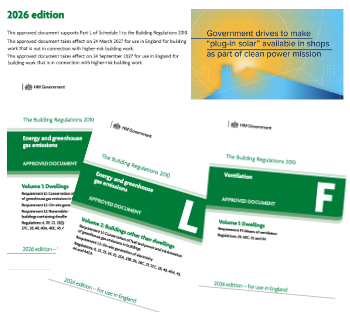
Parts F and L amendments, the availability of solar panels and industry responses.
How later living housing can help solve the housing crisis

Unlocking homes, unlocking lives.
Preparing safety case reports for HRBs under the BSA
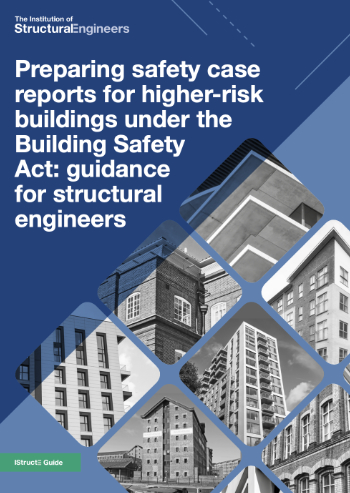
A new practical guide to preparing structural inputs for safety cases and safety case reports published by IStructE.
Male construction workers and prostate cancer

CIOB and Prostate Cancer UK encourage awareness of prostate cancer risks, and what to do about it.