






Managing fire risk in commercial buildings: A guide for facilities managers
BRE (Building Research Establishment) is an independent, research-based consultancy, testing and training organisation, operating in the built environment and associated industries.
Managing fire risk in commercial buildings: A guide for facilities managers (IP 11/14) was published by BRE on 23 September 2014. It was written by Jeremy Fraser-Mitchell and Tom Taylor. It is one of a number of BRE publications offering guidance for facilities managers, maintenance contractors and building owners about the operation and management of commercial buildings.
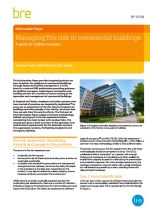
In England and Wales, employers and other people who have control of premises must carry out an assessment of the fire risks to occupants of buildings and other people in the vicinity, to ensure that they are safe from fire and its effects. IP 11/14 provides guidance about how improved facilities management can help deliver fire resilience in commercial buildings.
The first part of the 8-page Information Paper explains how to carry out a fire risk assessment and how best to deal with residual risks. The second part gives an overview of operational and maintenance requirements for fire detection systems, fire suppression systems, firefighting equipment and emergency lighting.
The contents of the Information Paper are:
- Fire risk assessment: identifying hazards and people in the premises.
- Fire risk management: coping with residual risks.
- Planning, recording, instruction and training.
- Fire protection equipment and facilities.
- Conclusions.
- References.
[edit] Related articles on Designing Buildings Wik
- Automatic fire detection and alarm systems, an introductory guide to components and systems BR 510.
- Automatic fire sprinkler systems: A good practice guide.
- BRE articles on Designing Buildings Wiki.
- BRE Buzz articles on Designing Buildings Wiki.
- BRE Buzz.
- Building Research Establishment.
- External fire spread, Supplementary guidance to BR 187 incorporating probabilistic and time-based approaches.
- External fire spread: building separation and boundary distances (BR 187).
- Fire performance of external thermal insulation for walls of multistorey buildings, third edition (BR 135).
- Fire risk in high-rise and super high-rise buildings DG 533.
- Fire safety certification from CIOB.
- Fire suppression.
- Managing risks in existing buildings: An overview of UK risk-based legislation for commercial and industrial premises (FB 86).
- Risk assessment under The Regulatory Reform (Fire Safety) Order 2005.
- The Regulatory Reform (Fire Safety) Order 2005.
- The role of codes, standards and approvals in delivering fire safety.
- Understanding the factors affecting flashover of a fire in modern buildings.
- Visual alarm devices - their effectiveness in warning of fire.
Featured articles and news
The future workforce: culture change and skill

Under the spotlight at UK Construction Week London.
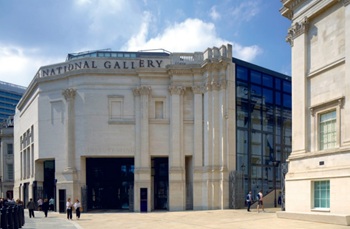
A landmark moment for postmodern heritage.
A safe energy transition – ECA launches a new Charter
Practical policy actions to speed up low carbon adoption while maintaining installation safety and competency.
Frank Duffy: Researcher and Practitioner
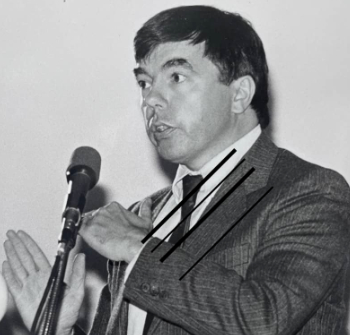
Reflections on achievements and relevance to the wider research and practice communities.
The 2026 Compliance Landscape: Fire doors

Why 'Business as Usual' is a Liability.
Cutting construction carbon footprint by caring for soil

Is construction neglecting one of the planet’s most powerful carbon stores and one of our greatest natural climate allies.
ARCHITECTURE: How's it progressing?
Archiblogger posing questions of a historical and contextual nature.
The roofscape of Hampstead Garden Suburb
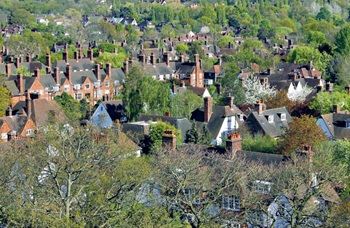
Residents, architects and roofers need to understand detailing.
Homes, landlords. tenants and the new housing standards

What will it all mean?
The Architectural Technology podcast: Where it's AT

Catch-up on the latest episodes.
Edmundson Apprentice of the Year award 2026

Entries now open for this Electrical Contractors' Association award.
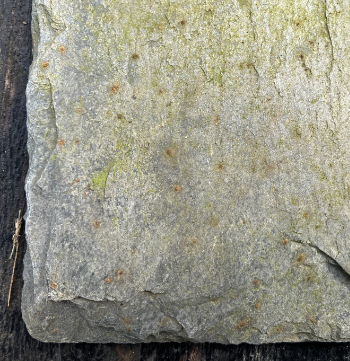
Traditional blue-grey slate from one of the oldest and largest UK slate quarries down in Cornwall.
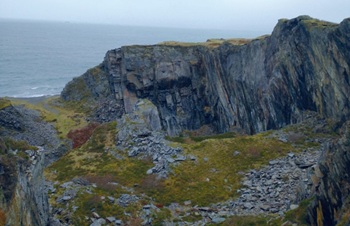
There are plenty of sources with the potential to be redeveloped.
Change of use legislation breaths new life into buildings

A run down on Class MA of the General Permitted Development Order.
Solar generation in the historic environment
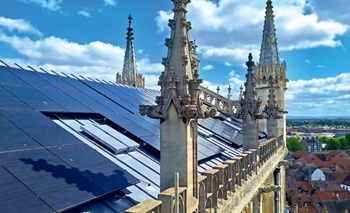
Success requires understanding each site in detail.